Post–tensioning is a method of reinforcing concrete in a slab and beam. Post-tensioning is a form of prestressing.
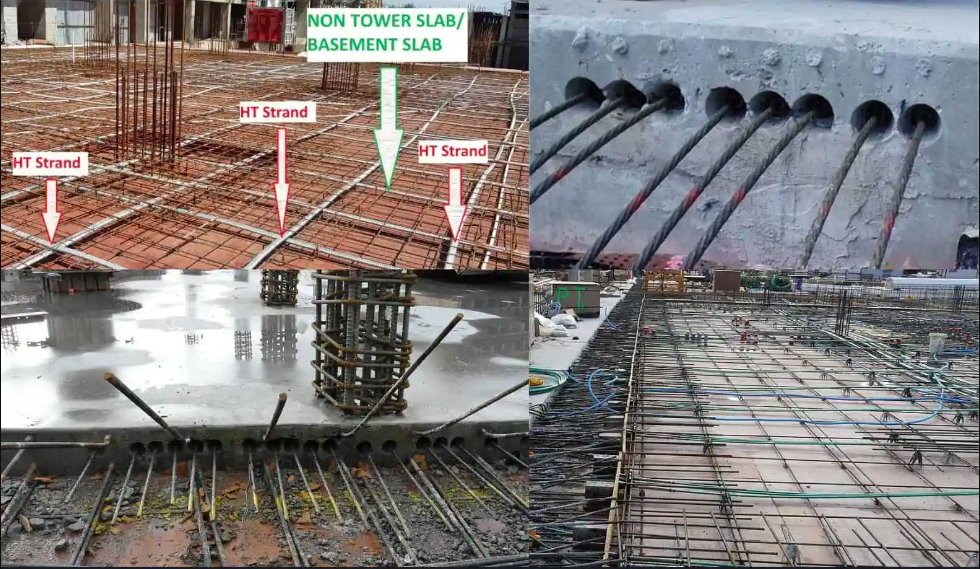
In post tension slab tendons are prestressing steel wires inside plastic ducts or sleeves or metallic sheets and it is positioned in the forms before the concrete is placed.

After this process concrete gets strength but before the service loads are applied the cables are tensioned and anchored against the external edges of the concrete slab.
What Is Post Tension Slab?
Post tension slab is a combination of conventional slab reinforcement and extra projecting high-strength steel tendons which are continually subjected to tension after the concrete has been settled down.
This method helps to achieve the formation of a thinner slab with a longer side span devoid of any column-free spaces.

Post–tensioned concrete means the concrete is filled after the tension is applied, but it is still getting stressed before the loads are applied.
The Post Tension Slab is the type of slab in which the reinforcement goes through ducts and is made of steel cables, not bars. These wires have to be made out by tensioning them after the concrete has hardened and before the scaffolding is taken away from buildings.
This means that the slab bends upward direction so all the concrete works as in compression through the slab.
The Post Tension Slab is usually called post-stressed concrete when there is pre-stressed concrete (the wires need to be tightened before pouring the concrete) and once the mixed concrete has hardened, it can be released from the wires.
The effect is also the same the slab is bending upward side by the tension and there are no sections of the slab where the concrete is pulled. It all works in compression form.
The slab with cables in the pipe is ready to be stressed. It is done after the concrete has to get hardness, so it is post-stressed.
Principal of Post-Tension Slab
Concrete has high compressive strength and steel has high tensile strength when combined it is used to bear loads, and the efficiency increases manifold.
When a heavy live load is applied to the structure its concrete slab undergoes tension form, which leads to the constitution of cracks and ultimately deformation.
To reduce this problem in the post-tension slabs, post-tensioned steel tendons are entered at the time of concreting and tensioned after concreting with conventional rebars.
Types of Post-Tension Method
Bonded Posts

Bonded Post Test
Bonded post-tension slab is used for large structural elements like beams and transfer girders. This method was used for Crete monolithic slabs for house construction where adobe clay Crete problems in the perimeter foundation.
Also used in the construction of bridges. Design advantages include increased span lengths in building and load-carrying capacity and decreased deflection. In this method, Hooke’s law was used to maintain tension and wedge position.
Unbonded Post-Tensioning

It is typically used in new construction for elevated slabs, slabs on grade beams, transfer girders, joists, shear walls, and mat foundations.
In the post-tension slab method, the tendon is coated with lithium–based grease and covered in a plastic sheet formed. Light and flexible these two are the unbounded mono strand that can be easily and rapidly installed for providing an economical solution.
Freyssinet System

It was inaugurated by the French engineer Freycinet. High-strength steel wires of 5 to 7mm diameter of 8 -12-16-24 numbers are grouped into a cable with a helical spring inside steel wires are carried along these grooves at the ends.
it is pulled by Freycinet double-acting jacks which can pull through suitable grooves for all the wires in the cable at one time.
Magnel Blaton System
It is having two wires stretched at one time. This method was introduced by the magnel of Belgium. In this method, the anchor consists sandwich plate having grooves to hold the wires.
All plates carry 8 wires. Approx 5-7mm wires are used in this method. One cable consists of 8 wires. These wires with sandwich plates are used as a tapered wedge.
Gifford Udall System
It was introduced by Great Britain, the type of system used in India. In this system single wire is used and all wires are stressed freely using the double jack.
In this system two types of anchorages are used: 1) tube anchorages and 2) plate anchorages.
Components of Post-Tension Slab

Ducts
It is placed inside the slabs to allow the tendons to pass. The main purpose of ducts is to connect cables with tendons. It is available in metal sheet ducts and plastic ducts.
It is thin sheet metal pipes with claw coupling and welded overlapped seam supplied in length of 4 to 6 meters respectively and used as standard ducts are pinned to each other by an outer screw coupling and locked with PE tape.
Plastic ducts are also available on the market to be used besides metallic ducts in post-tension slabs. Ducts are used as waterproof, frictionless, and fatigue-resistant.
Anchors
One of the most useful aspects of a post-tension slab is an anchor. It is used to bind the tendons into the concrete while deducting or joining two tendons.
The main function of anchorage is to transfer the stressing force to the concrete after the stressing process is completed. Extra reinforcement is provided along the anchors.
In some countries, the anchor is also referred to as a trumpet cone. Also used in houses grouting inlet and outlet pipes to allow grouting of the tendon duct in post tension slab.
This device used the following principal,
1) Wedge action,
2) Direct bearing
3) Looping the wires.
Strands
The steel member that is pre-stressed and embedded in concrete loses the initially given stress exponentially with time. Up to a 10% reduction in steel, requirement is possible. Also reduction in concrete requirements due to the reduced size of structural members.
Jacks
It is the most important part of PT construction. When the placing of strands and casting of concrete is successfully done after 5 to 7 days the jacks are used to give stress to these strands and pulled out to tighten these strands in concrete.
Bearing Plate
It is used to save strands from concrete and avoid casting in a post-tension slab. Provide a proper front for stretching.
The Keeper Plate/ Looping Plate
It is used to support the bearing plate.
Coupler/Barrel
It is used at the time of stretching of HT strands and connects strands or bars. This device was tested to transmit the full capacity of strands.
Vent Coupler
It is used at the corners. Used for grouting purposes at ends.
Grouting Equipment
It is the concrete filling of the duct with a strong bond between the tendons and surrounding grout.
The grouting is prepared by the water-cement ratio of about 0.5 with water-reducing admixture, expansion agents, and pozzolans.
Construction Of Post Tension Slab
The following are the steps for the construction of post tension slab,
1. Set up strands in position then set up duct in position and connect ducts with couplings. Insert strand introduces at that one time one strand. set up bar chairs at the right location given on the drawing. Tape all duct joints.
2. Now tendons are set up in the right position as given in the drawing. Set up stressing anchorage parts and stressing recess on slab edge formwork. Now install the bearing plate at the right position using a chair and also provide a grout vent. Fix out anchorage bursting reinforcement. Tape all connections carefully.

3. Prepare dead-end anchorage parts. Bulb dead-end type will be used. All strands are formed with a bulb dead end by a hydraulic jack.
4. Filling of concrete is done when MS bars and PT components are installed. Tendons need to be observed during concreting any misalignment of tendons results face failure. After concreting concrete should be cured until the specified strength not gets.
5. Now tack off side formwork and prepare for stressing operation. When stressing operation starts carefully clean up all strands. Used colar mark strand for elongation measurement.
6. Set up the anchor head and wedge it into all strands. Start pt stressing after concrete gets compressive strength. Stressing pull load on all strands should be locked off.
7. Stressing can be conducted in both ways transverse and longitudinal. Elongation should be observed.
8. The pressure did by conformation to the calibration document. After the elongation has been approved the strand should be cut using an abrasive disc.
9. Grouting performed asap after stressing operation is completed. Also, a grout vent provides an anchorage for all cables.
10. Anchorage should be capped with concrete grouting equipment have specified sprinkling pressure and material should be taken in a given proportion, not greater than a low slump level.
11. After the grouting process is done some projection surfaces are cut down by an abrasive disc.
Applications
The following are applications of the post-tension slab,
- It reduces or eliminates shrinkage cracking so no joints or fewer joints are needed.
- Cracks the form is held tightly together.
- Permission for slabs and other structural members to be thinner.
- It allows for constructing slabs on expansive or soft soils.
- It designs longer spans in elevated members like floors or beams
- In parking, slots were heavy reinforced thick concrete slabs.
- In bridge decks used slabs allows bridges to span longer lengths without the need to have extra piers or supports.
Advantages
Lower long-term costs
when maintenance requirement is less anyone can save on long-term costs. Then the customer can enjoy some energy savings and the opportunity to earn LEED credits.
Structural Durability
PT slabs show reduced cracking, improved durability, and reduced maintenance costs.
Since they won’t deflect their loading so the immediate hairline cracking is no more observed that otherwise looks odd.
Their bending can be controlled by changing the amount of post-tensioning to balance any portion of the given loads immediately after the given stress.
Fast Construction
when reducing rebar allows for saving considerable time that is otherwise taken up by rebar fixing. The same strands are true with formwork and rebar pouring.
Architectural Benefits
The pt slab has advantages over others as it makes a very efficient base for floor design with thin slabs and columnless spaces in larger spans. It gives architects the independence to work freely with the building’s slab designs.
Reduced Dead Weight
when the pt slabs have a lesser thickness, the quantity of concrete and reinforcement used in the building is reduced by up to 20 to 30% when compared to conventional concrete slabs.
Popularity
because of the benefits, the popularity of pt slabs has skyrocketed for years. The demand for PT slabs throughout all countries continues to increase because of some of the profitable benefits for developers, architects, engineers, contractors, and customers of using buildings.
Improved Performance
The pt slabs are ideal for structures where customers need improved seismic behavior, less vibration, and deflection and crack control. These are perfect for watertight and flexibility in building flooring.
Commercial Real Estate
the post-tensions results in thinner concrete slabs, making the valuable savings in floor-to-floor height available as additional floors. It can provide some extra space within the same overall building height for use as rentable.
Material Saving
while saving the PT slab using a thinner concrete slab. There is substantial material saving. These reduce overall 20% and reinforcement by as much as 75%.
Certification
There are only two groups that offer certification related to PT construction:
PT Institute
PTI has a certification license for manufacturing plants and their parts (level 1 and level 2)
Ironworkers Union
it is introduced by JimRogersand has evaluation and certification licenses also he is the publisher of PT magazine.
FAQs:
What do you mean by Post Tensioning Slab?
Post–tensioning is a method of reinforcing concrete in a slab and beam also. Post-tensioning is a form of prestressing.
What are the advantages of the Post Tension slab Method?
1. Lower long-term costs
2. Structural Durability
3. Fast Construction
4. Architectural Benefits
5. Popularity
6. Improved Performance
What is the Principle of PT Slab?
Concrete has high compressive strength and steel has high tensile strength when combined it is used to bear loads, and the efficiency increases manifold.
]]>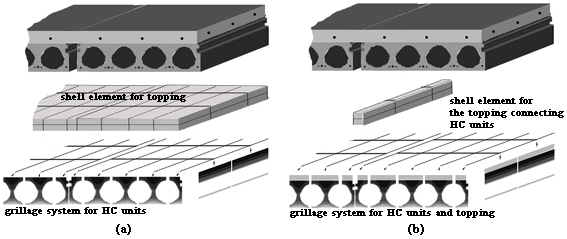
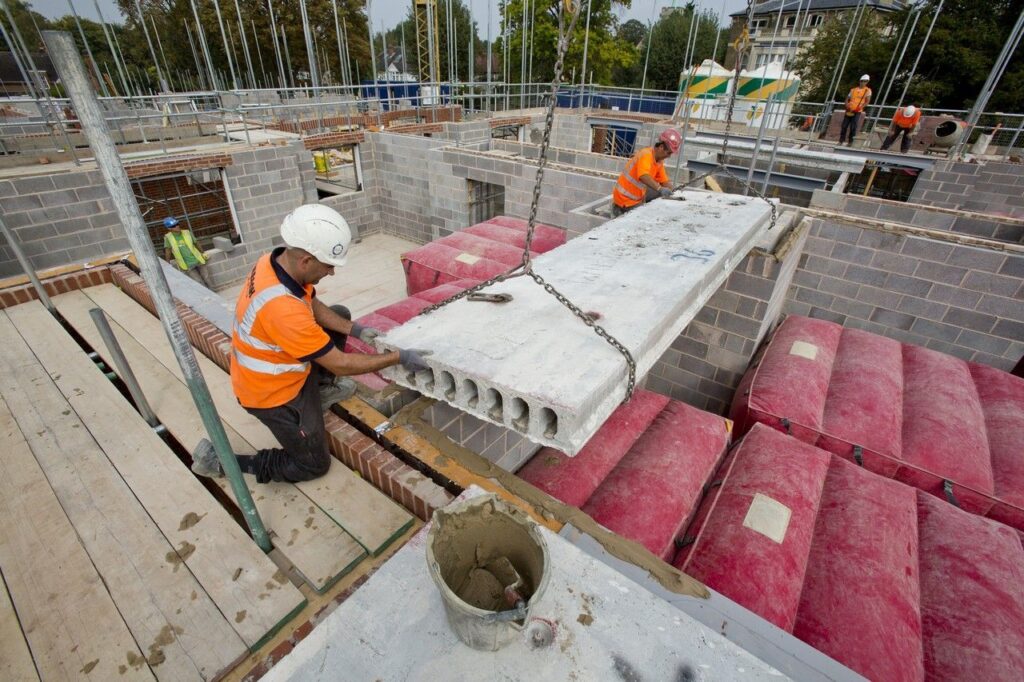
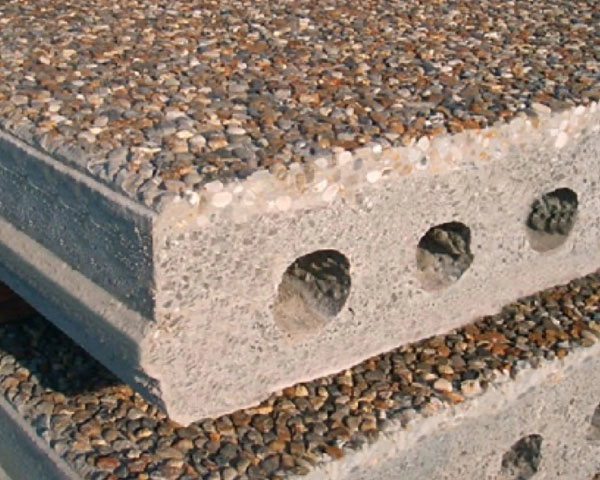
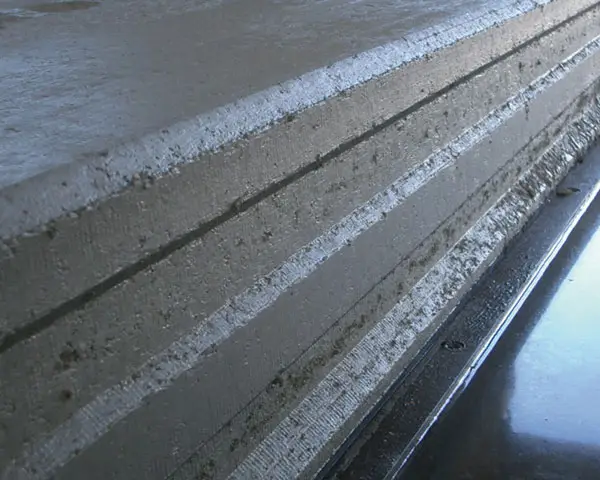
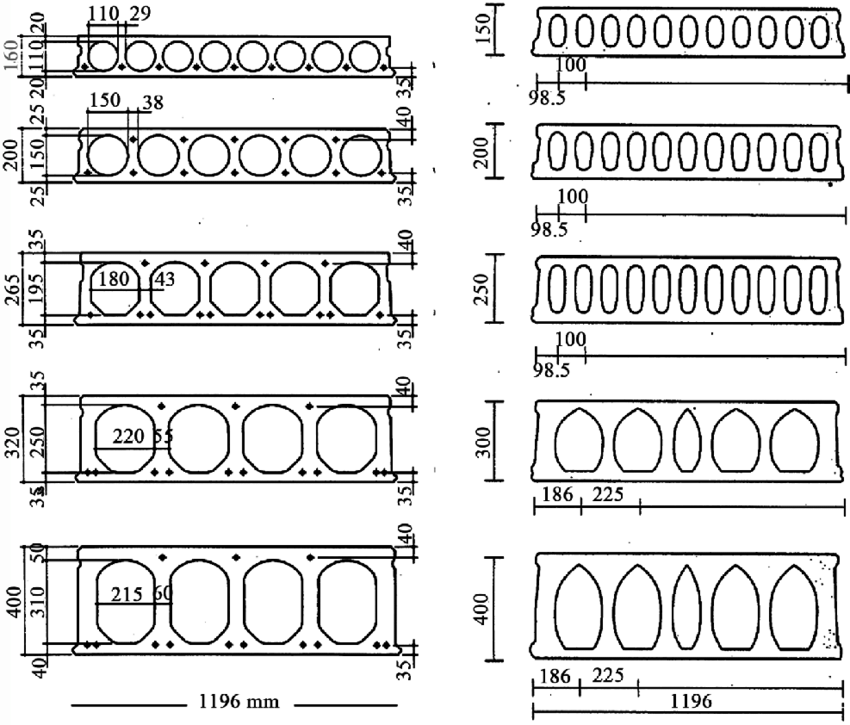
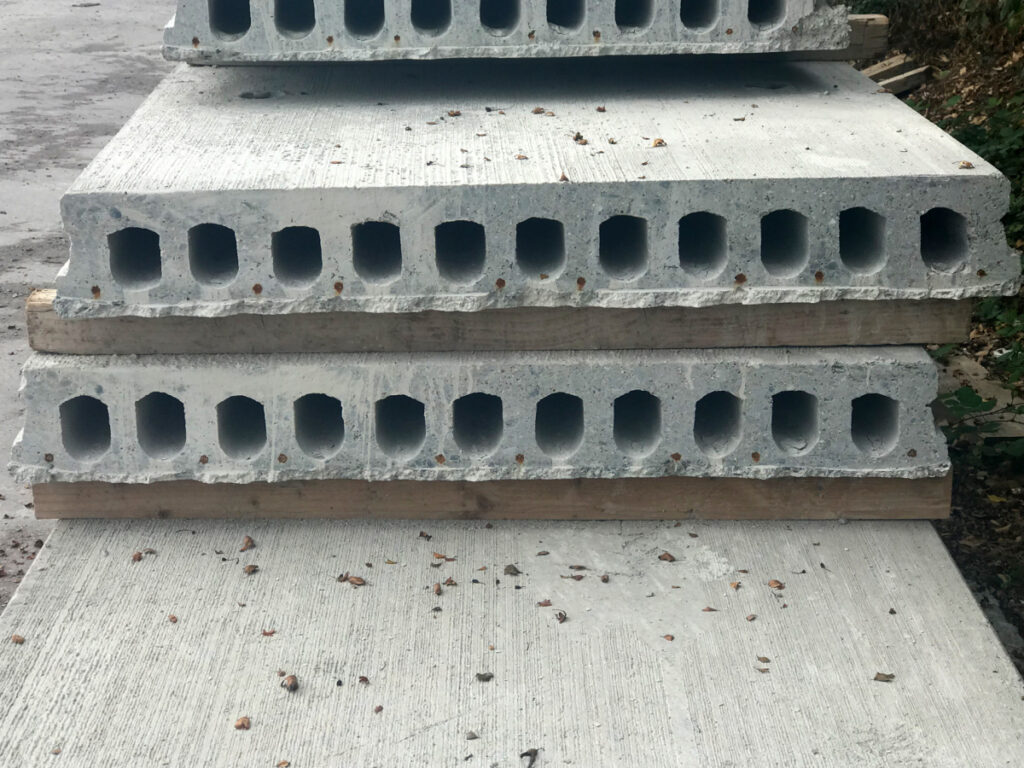
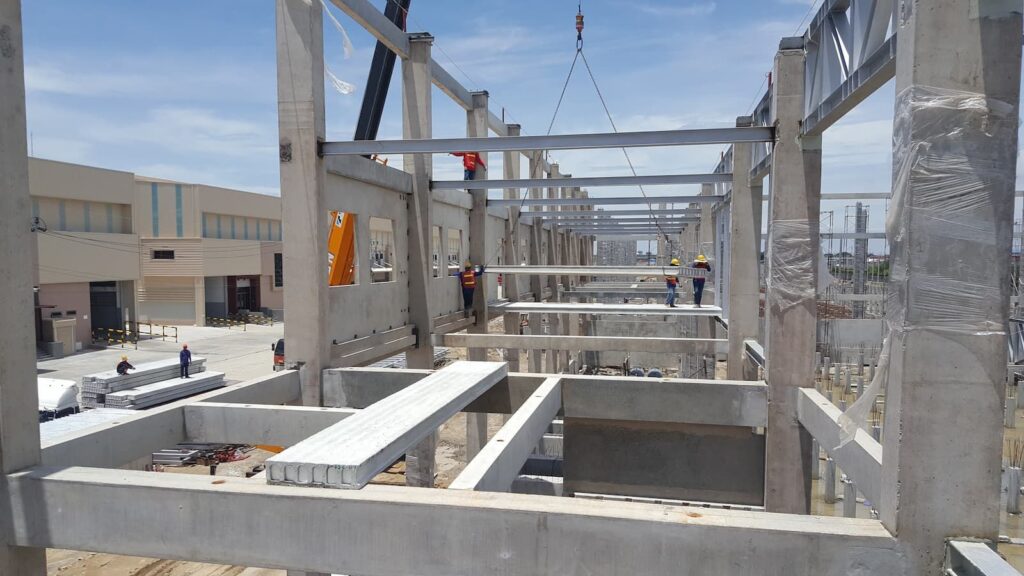
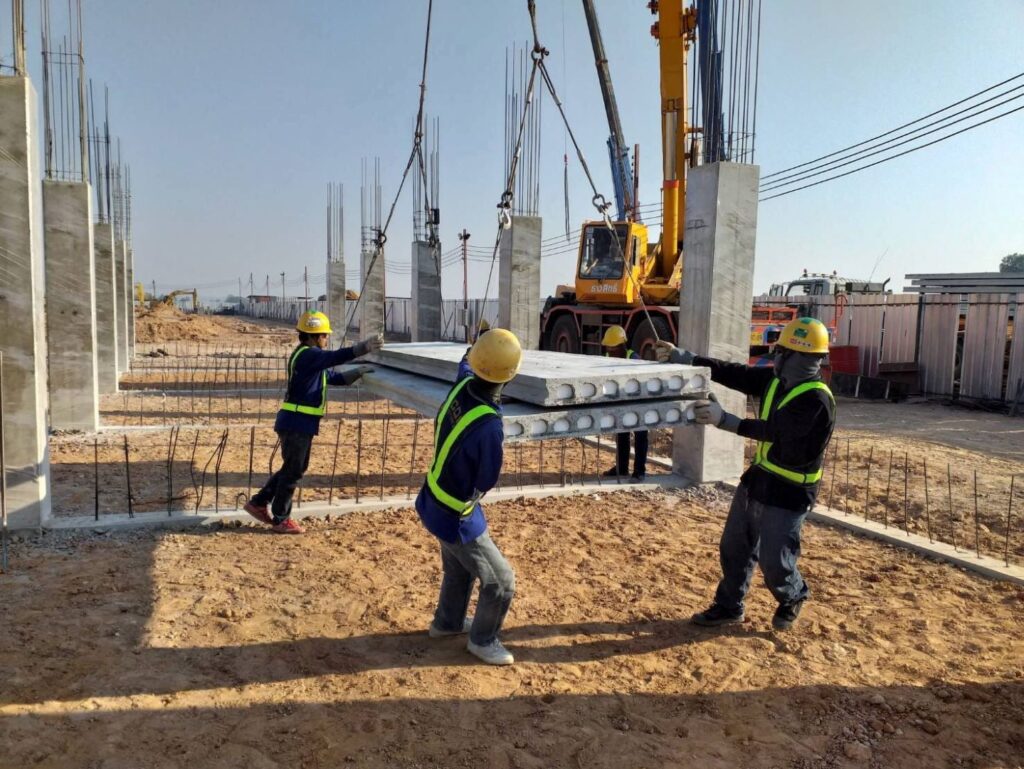
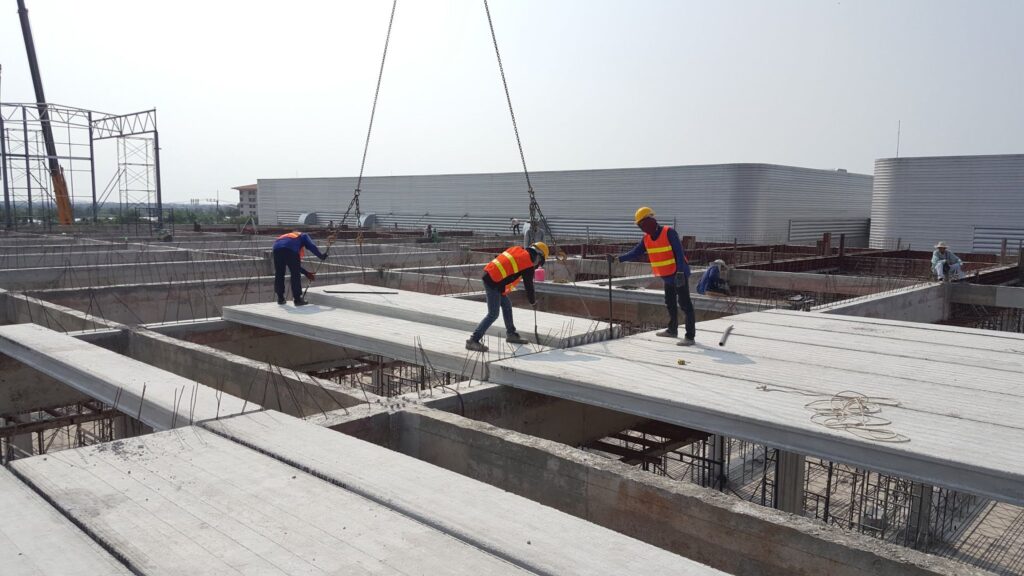
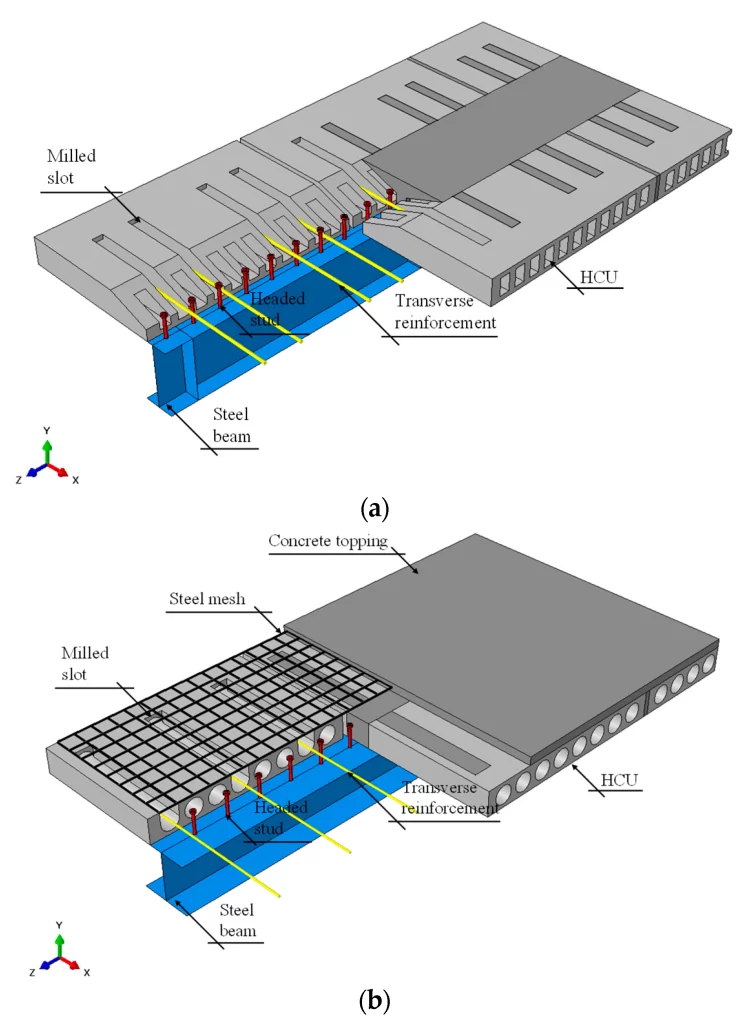
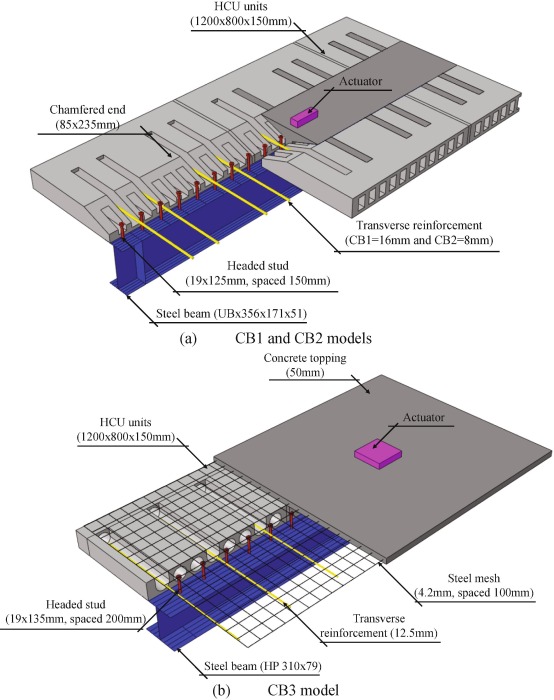
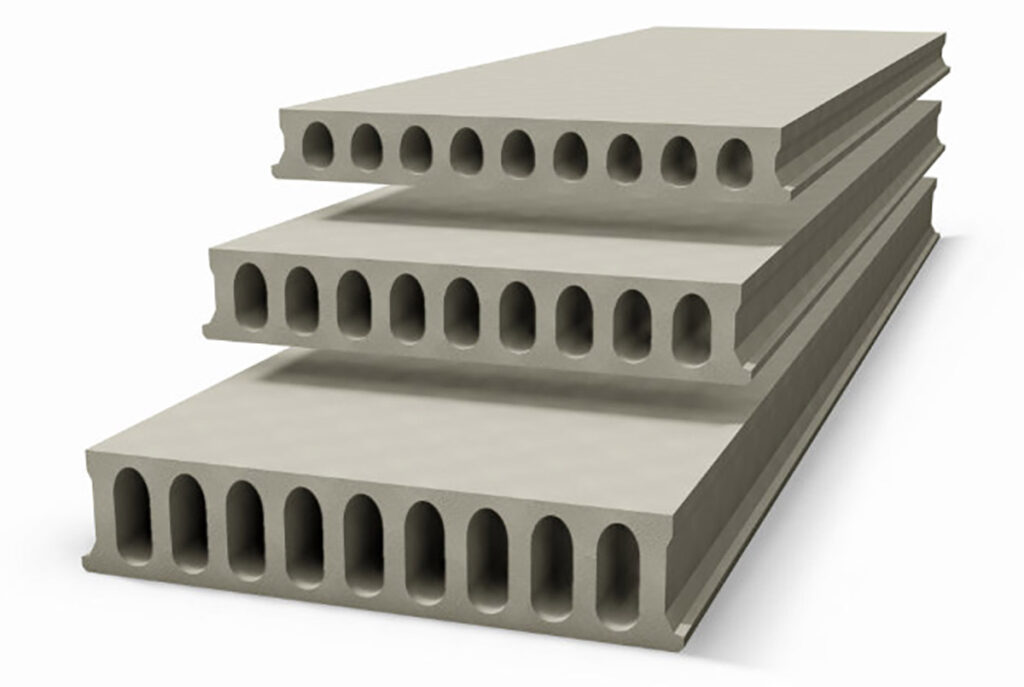
Hollow-core slabs are prestressed and precast concrete elements, manufactured using long line steel casting beds. They are typically 1200mm wide (but can range from 600mm – 2400mm), and between 150mm – 500mm deep.
Spans can be anywhere up to around 20m, and applications range from individual houses to residential apartments, office buildings, hotels, schools, hospitals, supermarkets, industrial units and car parks.
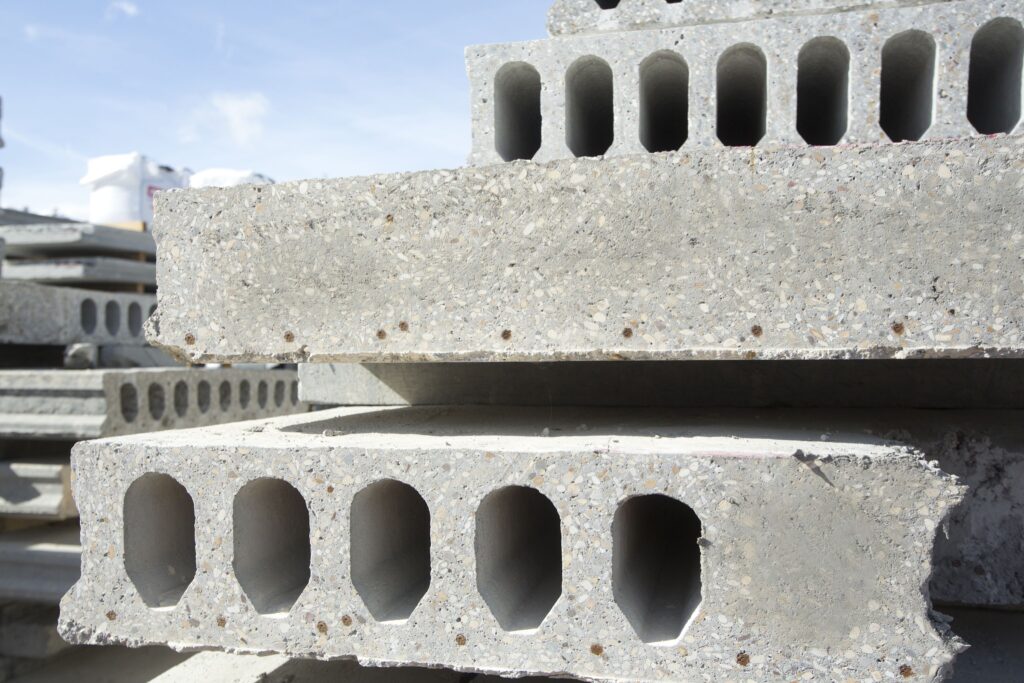
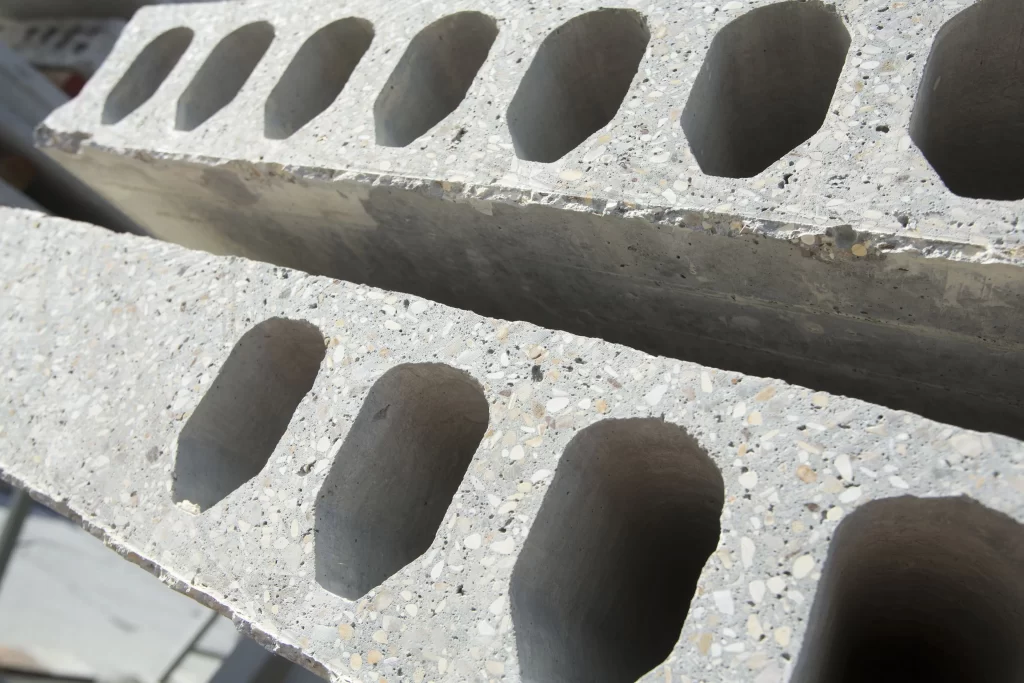
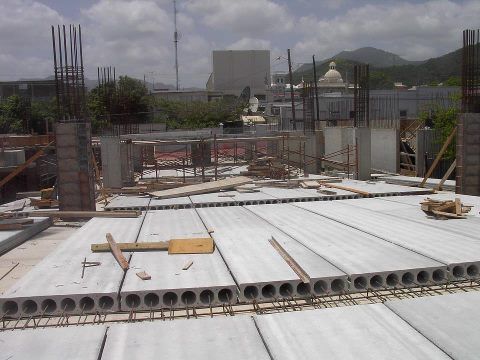
Longitudinal voids run throughout a hollow-core slab. These reduce raw material consumption, costs, the self-weight of slabs themselves and provide ready-made ducts for services.
Hollow core ribbed slabs have excellent span capabilities, achieving a capacity of 2.5 kN/m2 over a 16m span. The long-span capability is ideal for offices, retail or car park developments. Units are installed with or without a structural screed, depending on requirements. Slabs arrive on-site with a smooth pre-finished soffit. In car parks and other open structures, pre-finished soffits offer a maintenance free solution.
Importance of Concrete
Prestressed hollowcore requires the use of high quality raw materials, such as high strength concrete, and low relaxation steel wire/strand.
The produced elements have high load resistances thanks to a low water/cement ratio of concrete from 0.32 to 0.38. Moisture, Temperature & Plasticity control are considered mandatory for the mixing plant in order to get excellent hollow core slab finishing
Efficiency & Sustainability
Prestressed concrete, and hollow-core slabs in particular, offer exceptional structural efficiency. Long spans and shallow units allow for low material usage, and better use of space within buildings.
Hollow-core is extremely durable, retaining its structural capacity for a lifespan of 100 years or more. Production of elements in a controlled factory environment reduces waste, noise and emissions.
Concrete has a large part to play in the heating and cooling of buildings, which consumes large amounts of energy. Hollow-core slabs contribute to the thermal mass of a building, and innovations enable reductions in the energy used for air conditioning.
Advantages of Hollowcore
- ASSURED QUALITY
- EXCELLENT LOWER SURFACE FINISH
- READY TO PAINT
- QUICK AND EASY INSTALLATION
- EXCELLENT FIRE RESISTANCE
- HIGH LOAD CAPACITY AND RIGIDITY
- EASY PROJECT IMPLEMENTATION GIVING DESIGNERS GREATER VERSATILITY
- EASILY ADAPTED TO ENABLE MOUNTING OF ANCILLARY BUILDING SYSTEMS
- REDUCED SELF-WEIGHT
- BIG COST SAVINGS
- EFFICIENT SPAN/DEPTH-RATIO LEADING TO REDUCED STOREY HEIGHT
- HIGH DURABILITY AND LOAD RESISTANCE
- LONG SPANS WITHOUT THE NEED OF TEMPORARY SUPPORTS
- EXCELLENT THERMAL PROPERTIES AND ACOUSTIC INSULATION
- GREEN PRODUCT REDUCED USE OF RAW MATERIAL
- CAN BE USED IN SEISMIC ZONES
- PRODUCTION FLEXIBILITY
Disadvantages:
- If not properly handled, the hollow core ribbed slab units may be damaged during transport.
- It becomes difficult to produce satisfactory connections between the precast members.
- It is necessary to arrange for special equipment for lifting and moving of the precast units.
- Not economic for small spans.
- Difficult to repair and strengthen
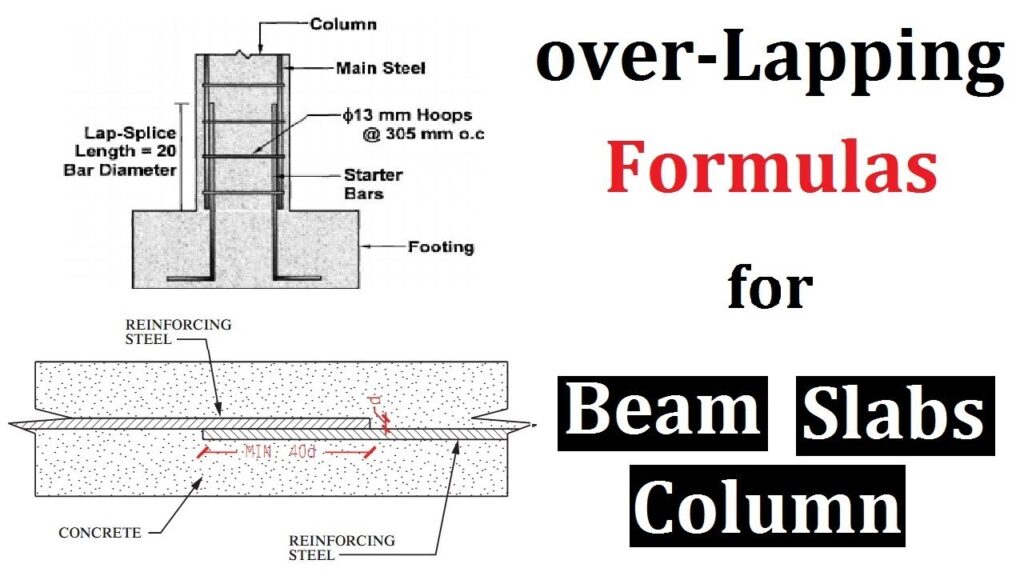
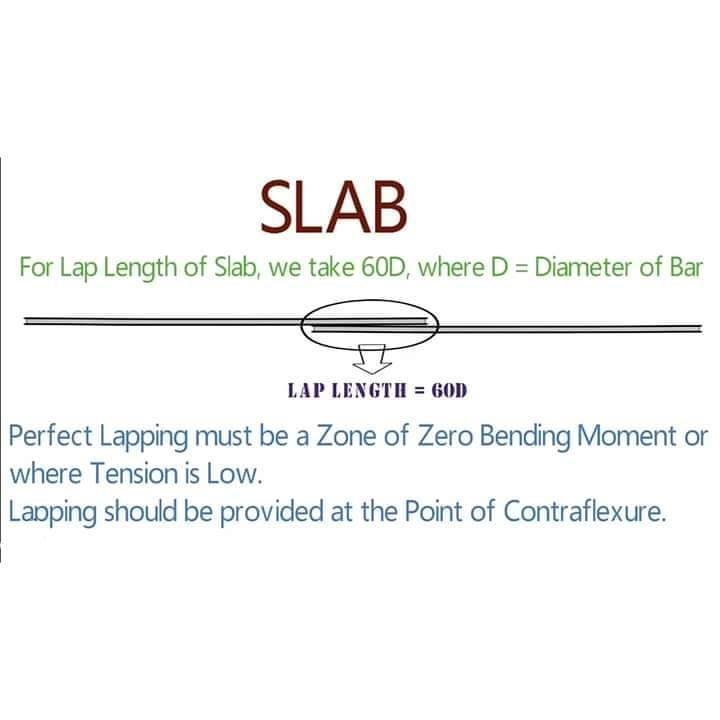
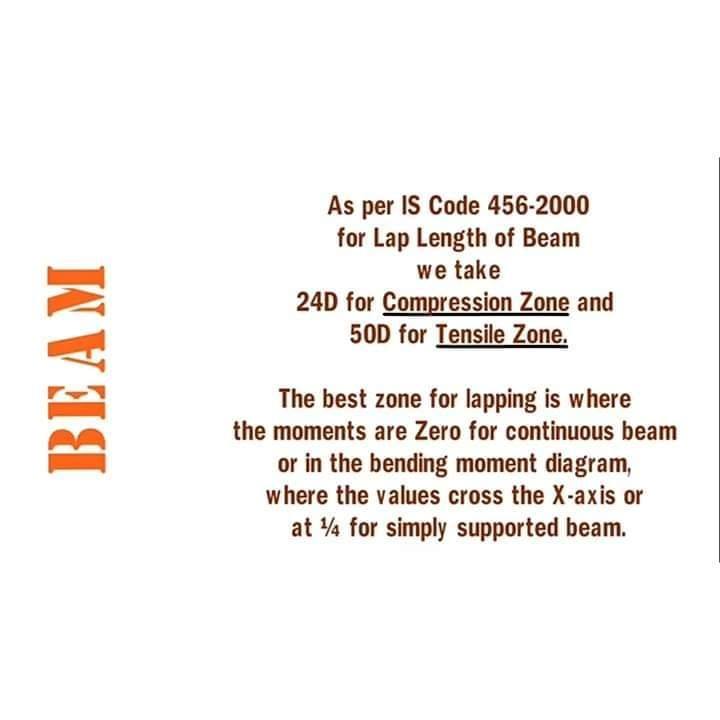
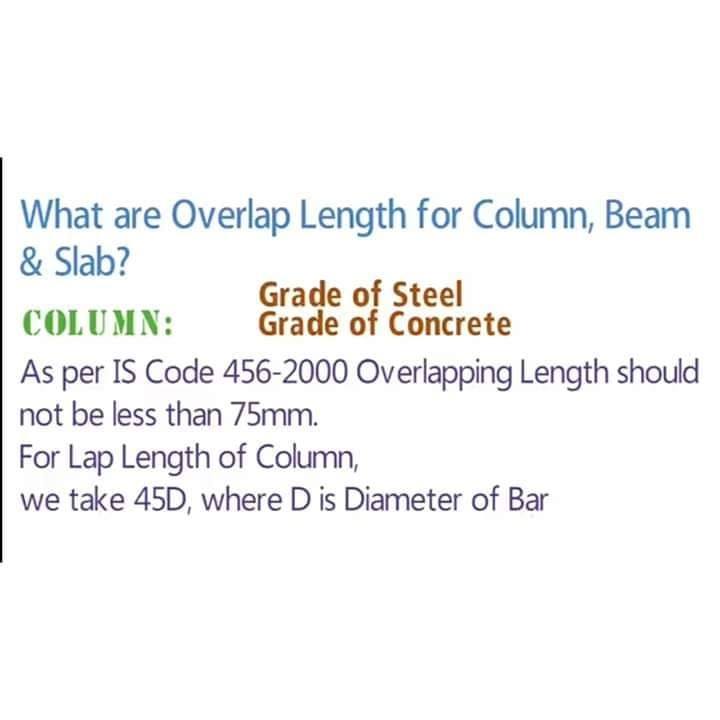
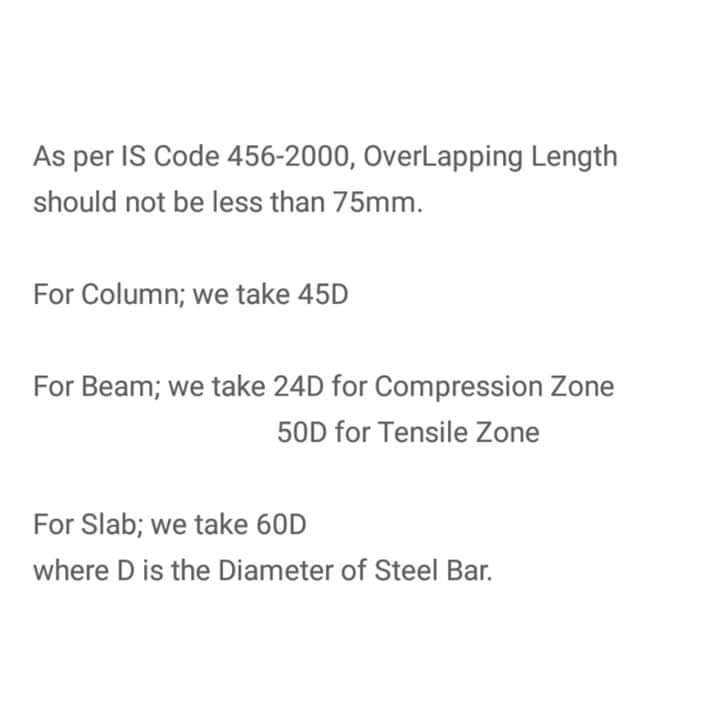
Lap length is one of the important terms in the reinforcement. This is usually confused with another important term called development length and anchorage length.
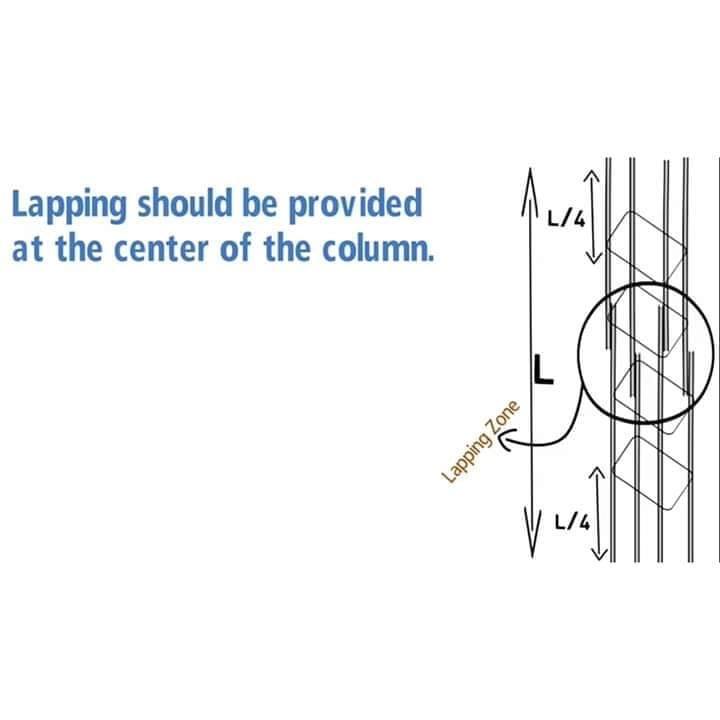
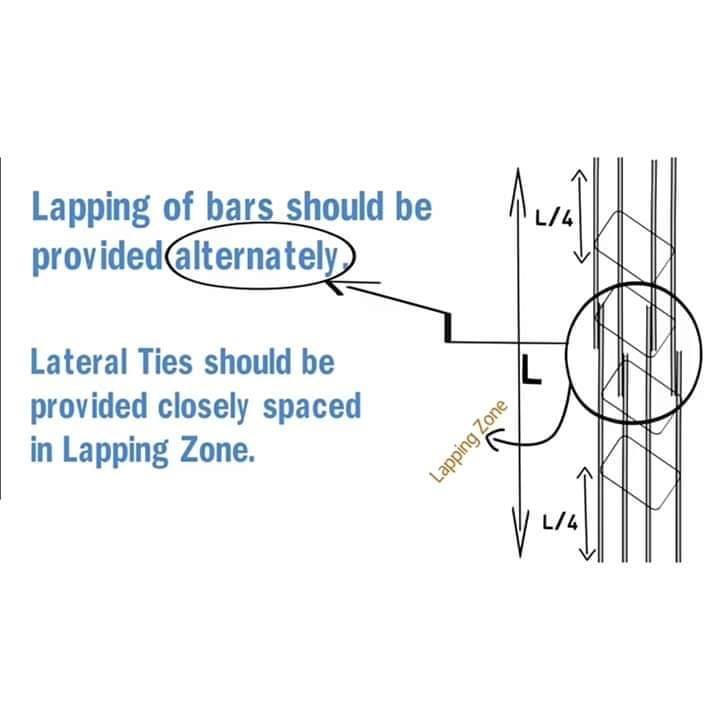
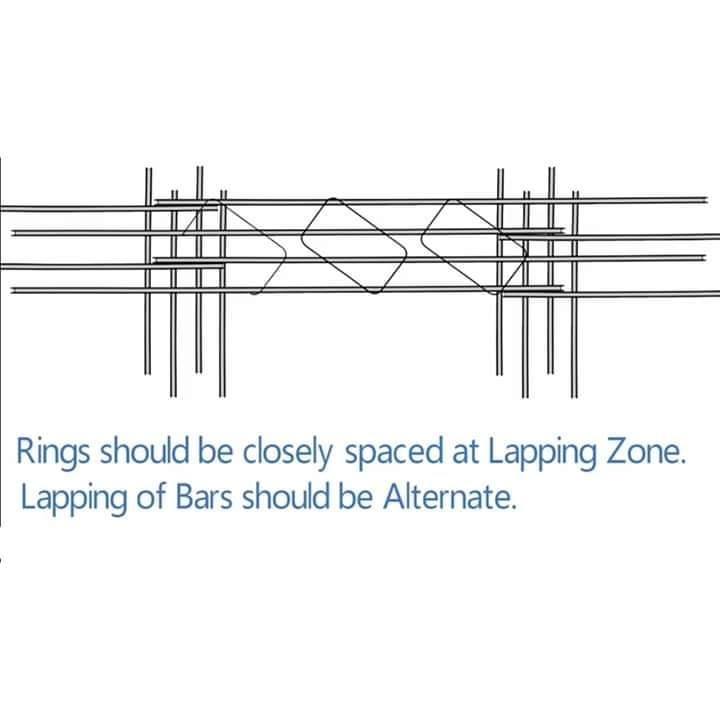
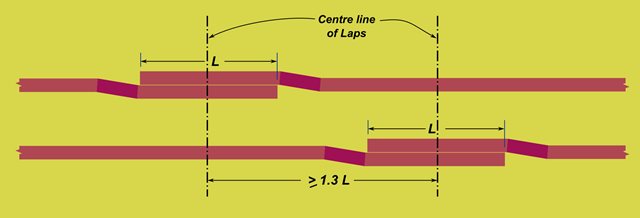
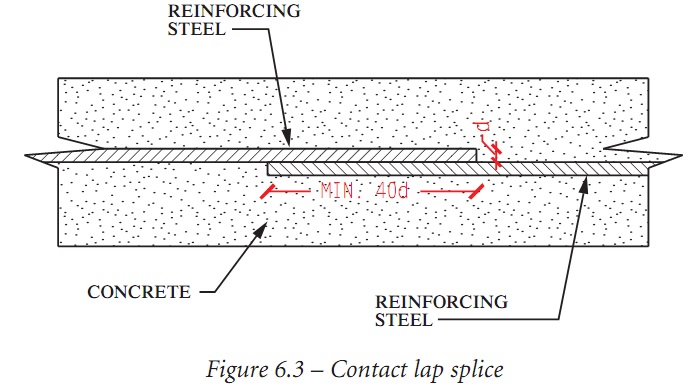
During the placement of steel in a Reinforced concrete structure, if the required length of the single bar might fall short. To get the desired design length, the lapping of two bars side by side is done. An alternative to this is to provide mechanical couplers.
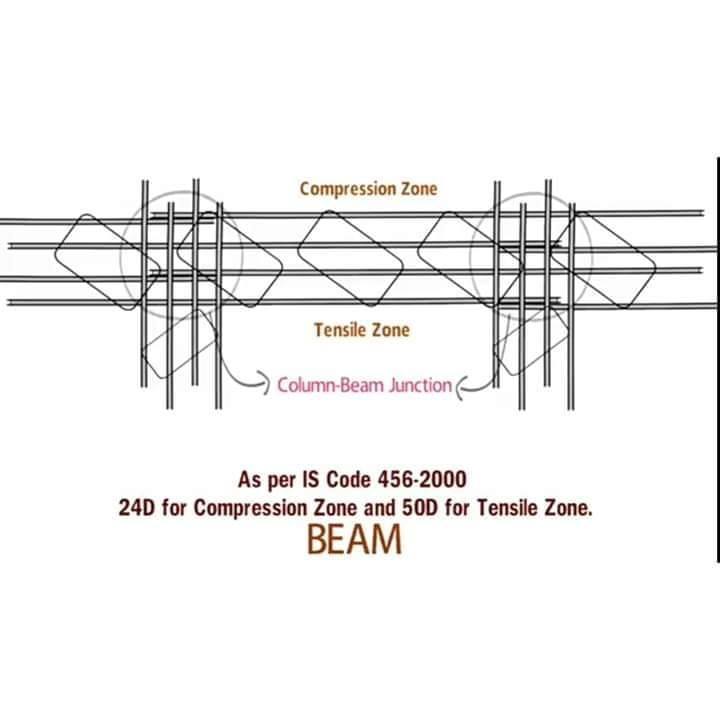
The overlapping of the steel is very important in R.C.C works because splicing of steel is used to transfer all the stresses from one bar to another bar. The length of the lapping is different in different concrete mixes because different concrete having a different crushing strength.
1- The lapping is not provided above 36 mm diameter bars because those diameter bars doesn’t transfer the stresses from one bar to another bar and also the alignment of the column bar is also affected by providing the lap on these bars.
2- The lapping of the steel bars also not provided in high shear force zones and it should be provided at that zone where the shear force will be minimum.
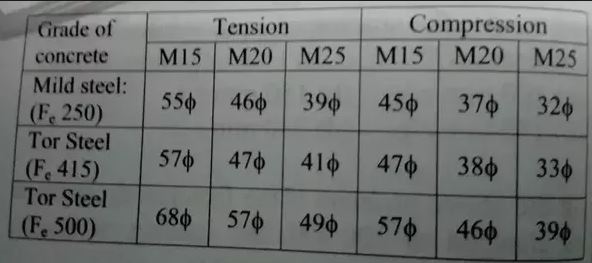
In M 15 Concrete Mix: In M 15 we use the concrete mix 1 : 2: 4 means 1 part of cement, 2 part of sand and 4 part of aggregates.
Tension zone Compression Zone
Fe 250 – 55 ∅ Fe 250 – 45 ∅
Fe 415 – 57 ∅ Fe 415 – 47 ∅
Fe 500 – 68 ∅ Fe 500 – 57 ∅
In M 20 Concrete Mix: In M 20 we use the concrete mix 1: 1.5 : 3 means 1 part of cement, 1.5 part of sand and 3 part of aggregates.
Tension zone Compression Zone
Fe 250 – 46 ∅ Fe 250 – 37 ∅
Fe 415 – 47 ∅ Fe 415 – 38 ∅
Fe 500 – 57 ∅ Fe 500 – 46 ∅
In M 25 Concrete Mix: In M 25 we use the concrete mix 1 : 1: 2 means 1 part of cement, 1 part of sand and 2 part of aggregates.
Tension zone Compression Zone
Fe 250 – 39 ∅ Fe 250 – 32 ∅
Fe 415 – 41 ∅ Fe 415 – 33 ∅
Fe 500 – 49 ∅ Fe 500 – 39 ∅
Where ∅ is the diameter of the bar? Suppose we are using a steel bar Fe 500 and concert mix M25. The diameter of the bar will be 10 mm. By using the formula, the splice length of the steel bar will be 49 x 10 = 490 mm and if the bar is in tension zone and 39 x 10 = 390 mm if the bar is in the compression zone.