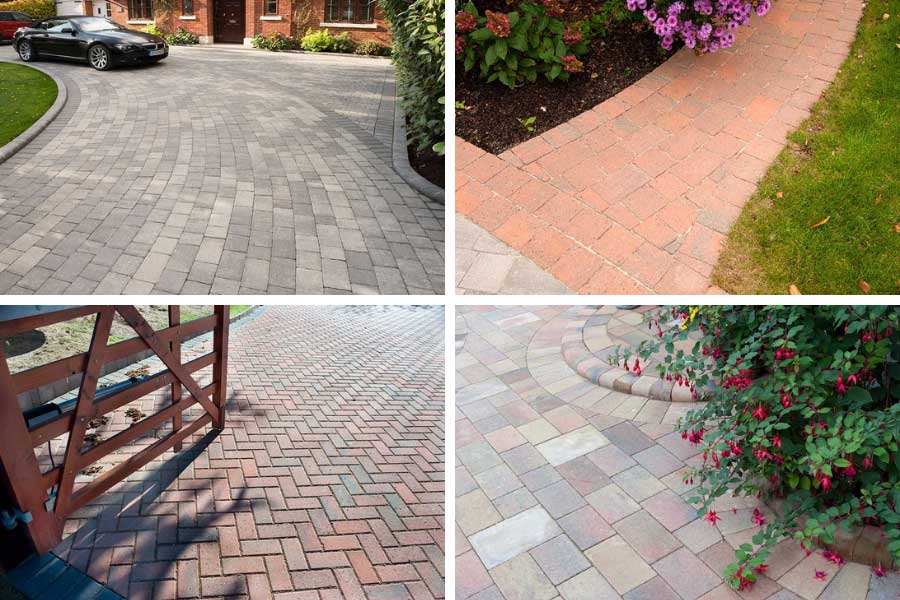
Pavers are widely used in driveways, patio, and many other outdoor places. This article will discuss different types of pavers used in homes.
What Are Pavers?
Pavers are blocks used to pave the driveways, patio, walkways, pool decks, etc. It is a flexible paving system that provides an alternative to concrete flooring for the outdoor parts of the house.
The pavers are a popular choice worldwide due to the ease of installation, replacement, maintenance, and cost-effectiveness.
The pavers are available in many textures and shades. So you can choose from various colors. The colored pavers add more beauty to the house.

The main differentiating factor for pavers is their construction material. You can choose the paver material based on the availability in the local market, aesthetics, and cost-efficiency.
Different Types Of Pavers Based on Material
Following nine types of material are commonly used across the US and Europe as paver blocks.
- Concrete
- Brick
- Flagstone
- Marble
- Travertine
- Porcelain
- Cobblestone
- Rubber
- Plastic
1. Concrete Paver
Concrete is the most commonly used when it comes to outdoor flooring. However, it comes with many problems like cracking under heavy load, cracks due to heat, curing period after construction, etc. We can avoid all of these problems using concrete blocks.
Concrete blocks are available in various shapes and sizes. It is made of molded cement concrete, and it is easy to install as they have a shape that easily interlocks with the adjacent blocks.
Due to its durability, the concrete paver is a prevalent flooring choice for driveways and roadways. It is cheaper than clay brick, and there is a wide range of colors, sizes, textures, and thicknesses.
Also, the manufacturer can customize the color your way for bulk orders by adding the color imparting metallic oxides. However, the artificial colors may fade after prolonged use.

2. Brick Paver
A rectangular red brick is an eco-friendly choice for walkways and fireplaces with low traffic. The red bricks are made of clay burnt in a kiln and use no artificial material; hence they are environment friendly. Also, bricks are among the oldest paving materials and have been extensively used worldwide.
The shape is generally rectangular, but custom shapes are also available on-demand for specific projects. The brick paver is easy to install as it is placed adjacent to other pavers, and it has no interlocking design.
Also, it can be used from both sides. The color of the brick is due to iron oxide that imparts red color to the brick, and it is a permanent color and doesn’t fade with time.

3. Flagstone Paver
Flagstone is one of the most popular types of rock pavers. It is a naturally occurring sedimentary rock. Flagstone is used as a thin tile; therefore, it is not ideal for high-traffic areas because it can break under the load. It is suitable only for walkways, gardens, and patios.
The non-slip surface of the flagstone paver is another feature that makes it an ideal choice for outdoor paving. The aesthetics of the flagstone are outstanding. The flagstone pavers are placed in a non-uniform pattern giving it a classic and rich appeal.
The varied colors and textures available for the stone provide an excellent experience in choosing the perfect shape as per the house’s theme. However, hues of red and grey are the most common shades.
Due to the thin slab of the stone, it is necessary to keep the heavy loads off the paving. Also, it needs proper maintenance for durability.

4. Marble Paver
Marble is a metamorphic rock occurring from limestone under extreme heat and pressure. It is one of the most beautiful rocks and is available in white, grey, and other shades. It is used as a thin slab; therefore, it is not suitable for traffic.
Marble pavers come with a regal polish that enhances their surface. They are durable and provide great aesthetics to the house. Also, they increase the selling value of the house.
One of the drawbacks of the marble paver is that it gets very hot under the sunlight and gets stains on it when it comes into contact with acidic chemicals.

5. Travertine Paver
Travertine is a sedimentary rock that is durable and lasts a decade. The shape and texture of a travertine paver are very natural and provide an excellent finish to the surface.
One of the most desirable aspects of using a travertine paver is that it can withstand the weathering effect without cleaning. Also, it retains the original color and is ideal for the pool decks as it absorbs the water.

6. Porcelain Paver
Porcelain is a clay product produced by heating the clay to a very high temperature. It has a shiny surface that makes it look appealing. It is durable to last decades and also hard enough to resist scratches.
It is an excellent option to use in walkways, patios, and driveways. The porcelain pavers are also available in wooden, stone, and many other textures, making them a viable alternative to the natural rock pavers. Further, the porcelain pavers have thickness ranges one can choose from.
Porcelain pavers are typically much less absorbent than other bricks or travertine; therefore, they are unsuitable for wet areas like pool decks.
The cost-effectiveness of a porcelain paver is too high than any other type of paving material. Maintenance of a porcelain paver is lesser as it doesn’t chip, break, or crack easily.

7. Cobblestone Paver
Cobblestone has been a popular choice for old times. The main reason was that it is very strong, highly durable, and needs significantly less maintenance.
It was used to pave the roads. Granite, sandstone, basalt, or limestone are most commonly used as cobblestone material.
They can withstand extreme temperature conditions without facing much damage, thus an ideal choice for the fireplace too. The cobblestone’s designs, patterns, colors, and texture are abundantly available.

8. Rubber Paver
Rubber pavers are slip-resistant pavers. The material used in the rubber paver is eco-friendly, durable, cost-effective, and hard.
This non-slip paver is made of eco-friendly and tear-resistant raw materials. This type of paver is a good choice for parking areas, walkways, and driveways.
The rubber paver is lesser absorbent than concrete, brick, or flagstone. Rubber paver has many advantages, but one of the problems is that under sunlight, it has a thermal expansion that can disturb its installed arrangement.

9. Plastic Paver
Plastic pavers are made from old recycled plastic. The plastic paver is a world-saving idea that is customizable and serves the requirements of a good paver. The surface of the plastic paver is hard enough to resist scratches.
Different colors can be added to the paver, and different shapes can be achieved using dyes. However, more research is underway to make the plastic paver as durable as the stone paver.

Different Types Of Pavers Based On Shape
The pavers are available in various shapes and sizes: square, rectangle, hexagonal, octagonal, and H-shaped. The homeowner has a wide variety in choosing the paver based on the different shapes.
There are four basic types of pavers-
- Type A: has vertical faces and doesn’t interlock.
- Type B: has alternate plain and corrugated shape that helps interlocking
- Type C: all faces are corrugated and interlocked in all directions.
- Type D: L or X-shaped pavers that interlock in any direction.

Different Types Of Pavers Based On Installation
Interlocking Paver: Pavers that hold each other in place.
Slab Paver: Pavers don’t lock each other in place and don’t allow any relative movement.
Uses
Pavers are mostly used outdoors, including
- Driveways
- Patios
- Walkways
- Pool decks
- Fire pits
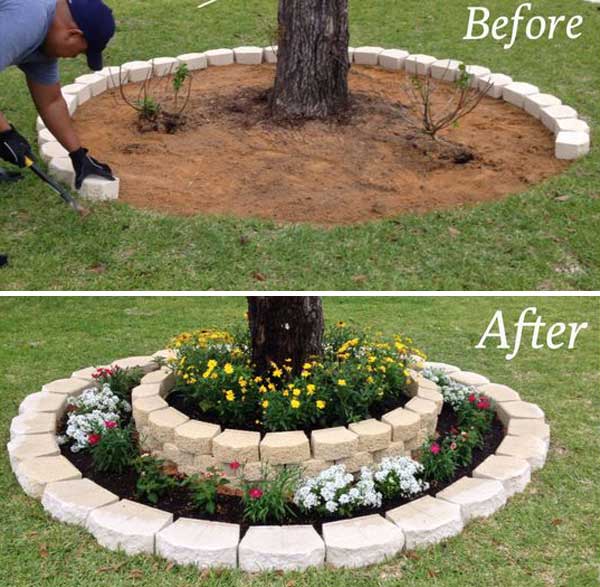
- Planters.
So, these were different types of pavers. I hope now have enough knowledge about it.
]]>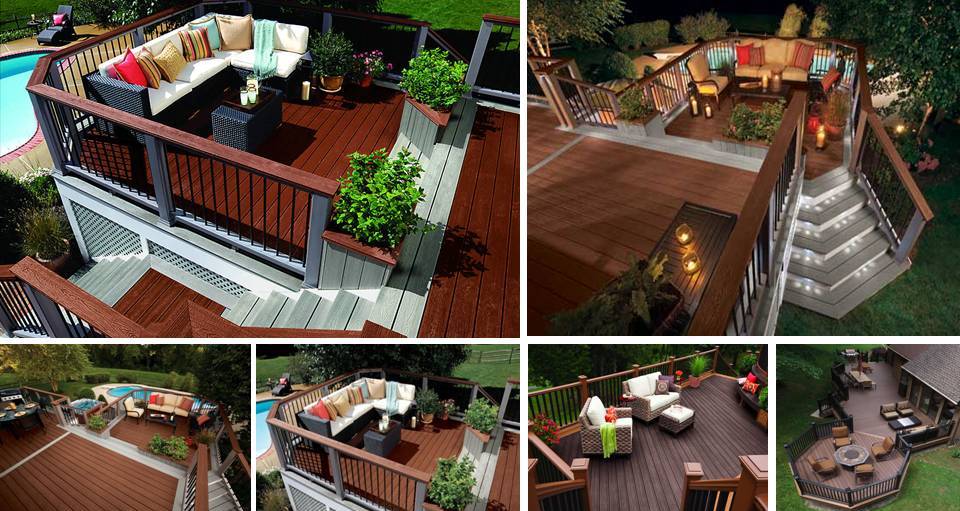
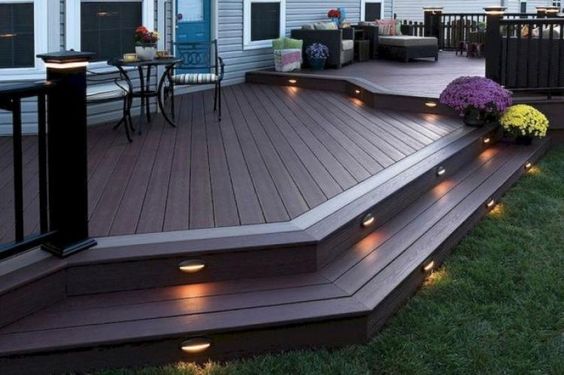
Designing a patio or deck can be rather exciting once you realize how much freedom you’ve got. Decks often are constructed to benefit from a view, Floating decks typically come in square or rectangular designs, but can be found in a variety of shapes and sizes. These uniquely shaped and styled decks can be easily built into almost any yard shape and size.
If you’re thinking about installing a floating deck in your own yard, there are a number of ways to go about it.

Creative Deck Patio Design You Should Try for Your Outdoor Space.

Rich Wood Corner Floating Deck with Patio Furniture.

Wood can be stained any color you prefer, shaped nearly any way you’d like, and always conveys a timeless appeal, The color choices are unlimited but many popular styles include a two-tone look, with differing colors for the vertical and horizontal wood pieces.


Main Things to Consider Before Building a Floating Deck Patio
Set a BudgetSelect the MaterialsThe type of wood, railings, and even hardware all contribute to the final budget.Comply With All Local OrdinancesMake Sure the Hardware Matches the Decking Product SelectedPay Close Attention to Style
Set a Budget
The size, design, and materials used for a deck will determine the final cost of the project. While everyone wants the biggest deck possible, budget constraints will always define the maxim size homeowners should expect.
Select the Materials
Since the costs will vary according to the materials selected, getting estimates for different types of wood and composite materials early in the design process is important.
Getting Started
Building a deck yourself can be a big undertaking. Going with a respected contractor can alleviate much of the stress associated with your project.
Natural Wood Minimalist Floating Deck

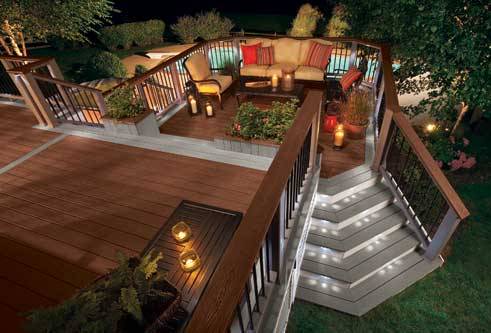
Multi Tiered Floating Deck
Large Rustic Floating Deck

Outdoor Kitchen Floating Deck

Curved Garden Floating Deck

Modern Decking Design With Circle Detail Fire Pit And Star Focal Point

Large Expansion Floating Deck

Corner House Floating Deck.


Garden Floating Deck


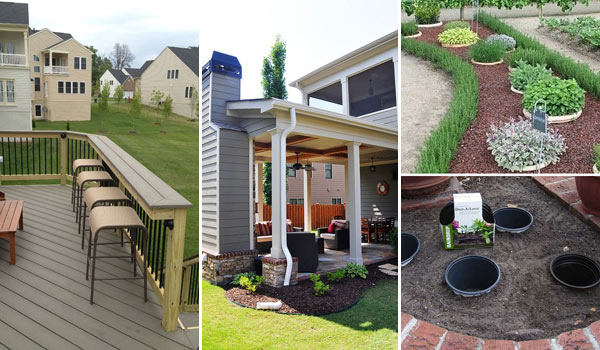
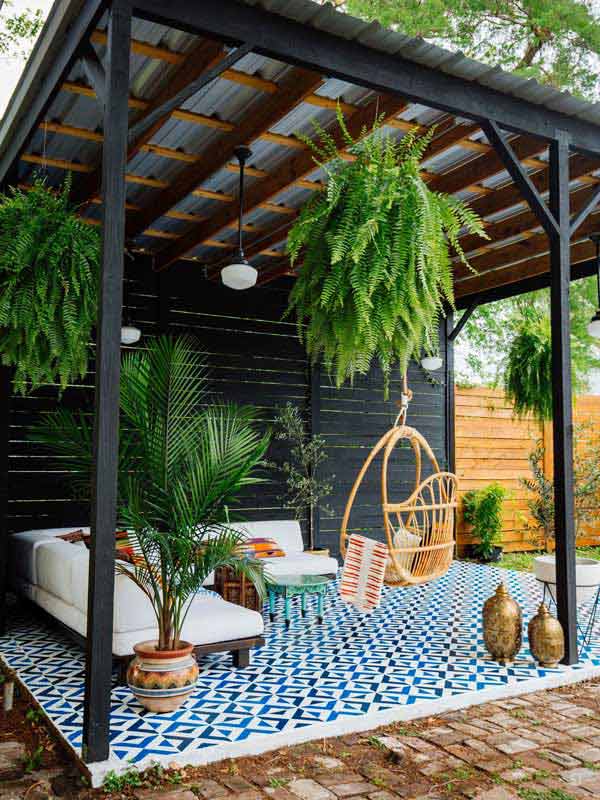
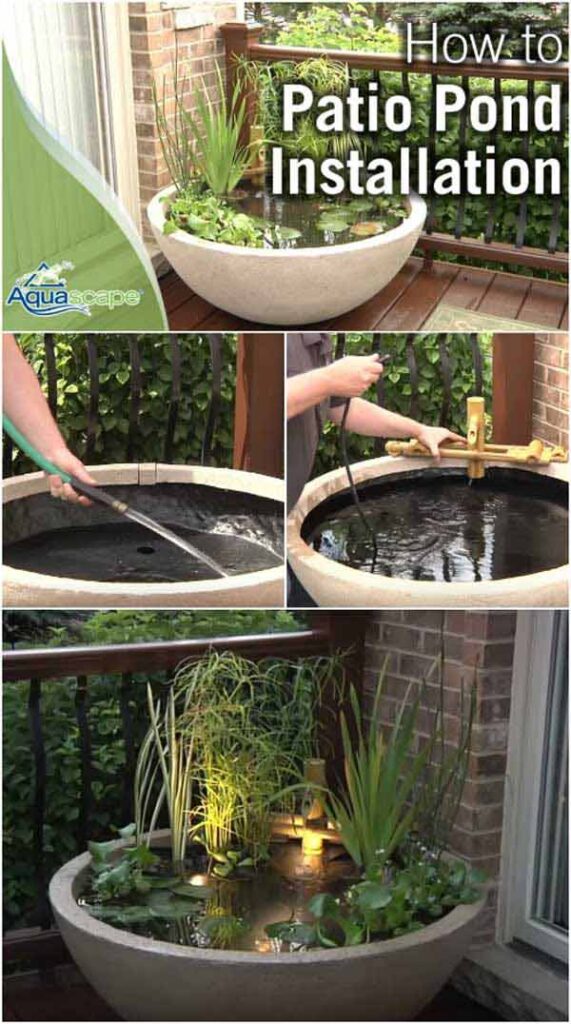
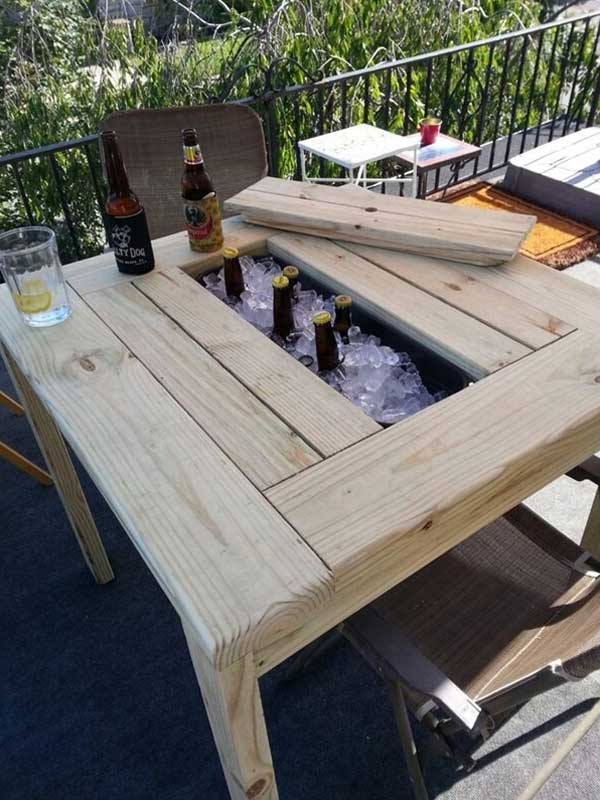
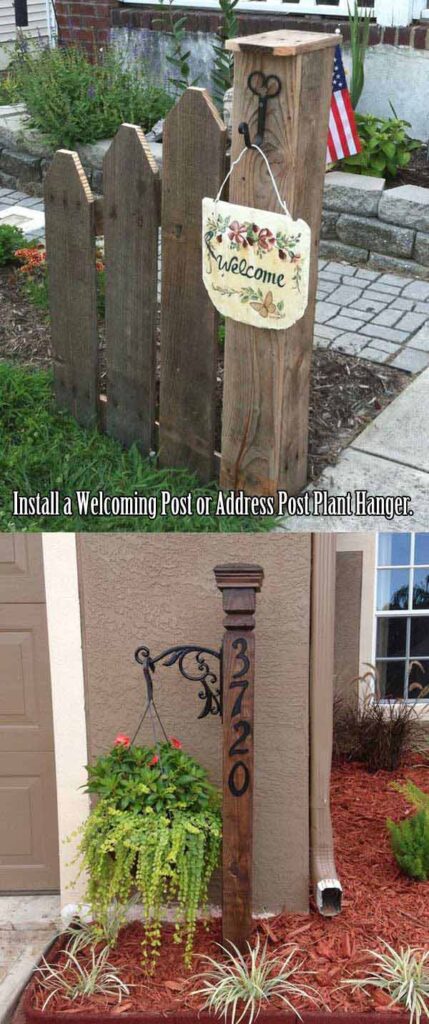
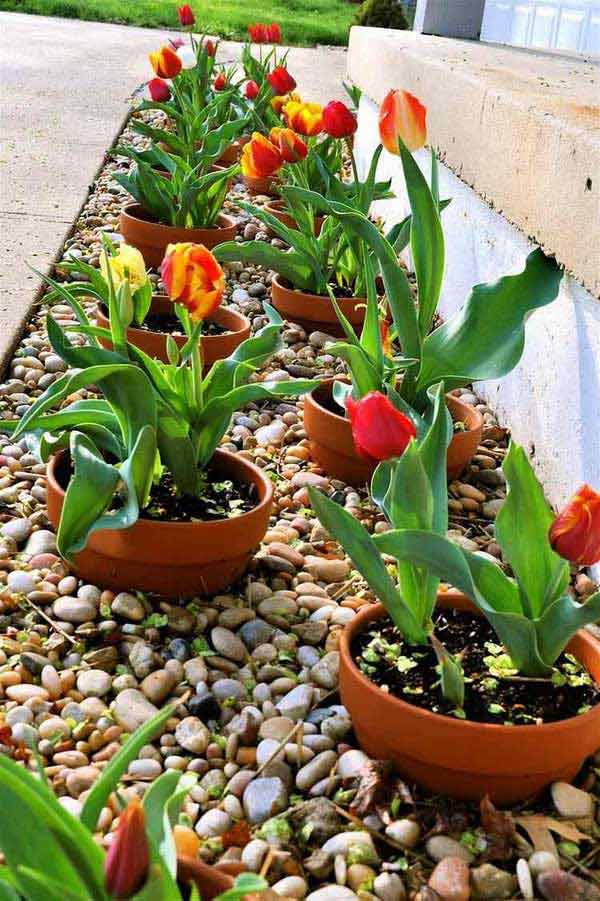
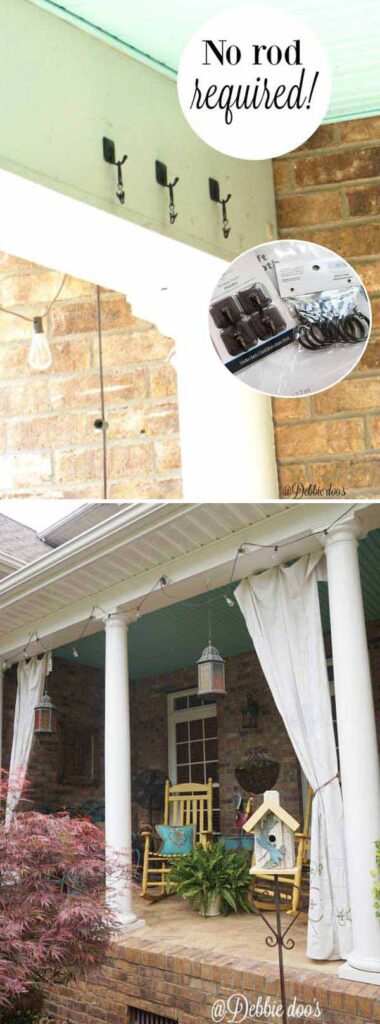
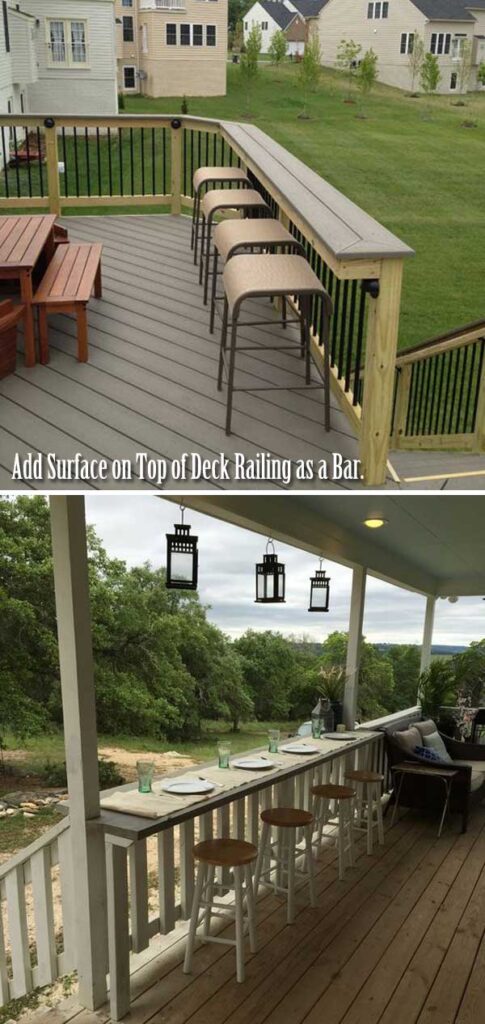
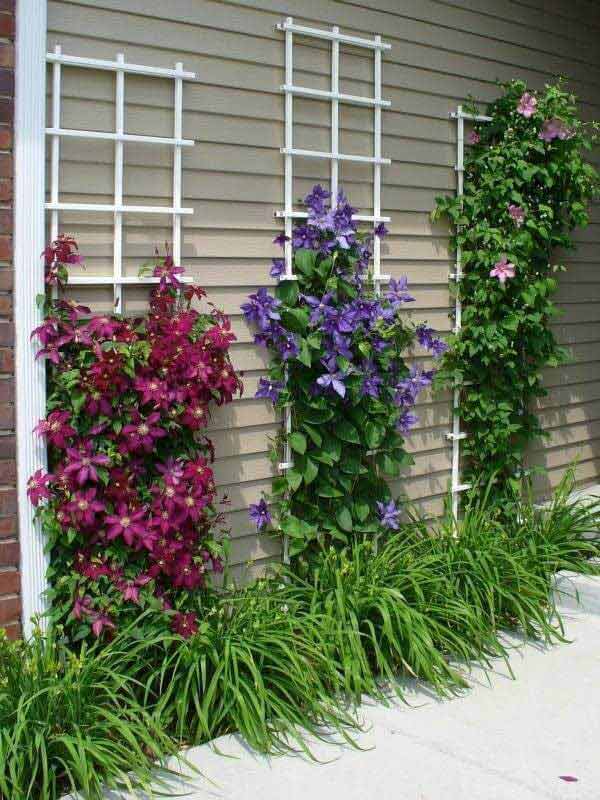
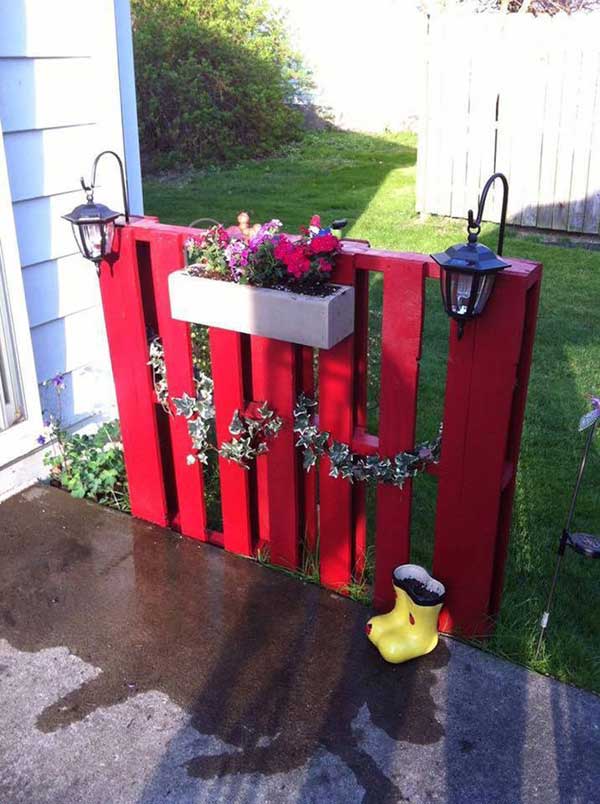
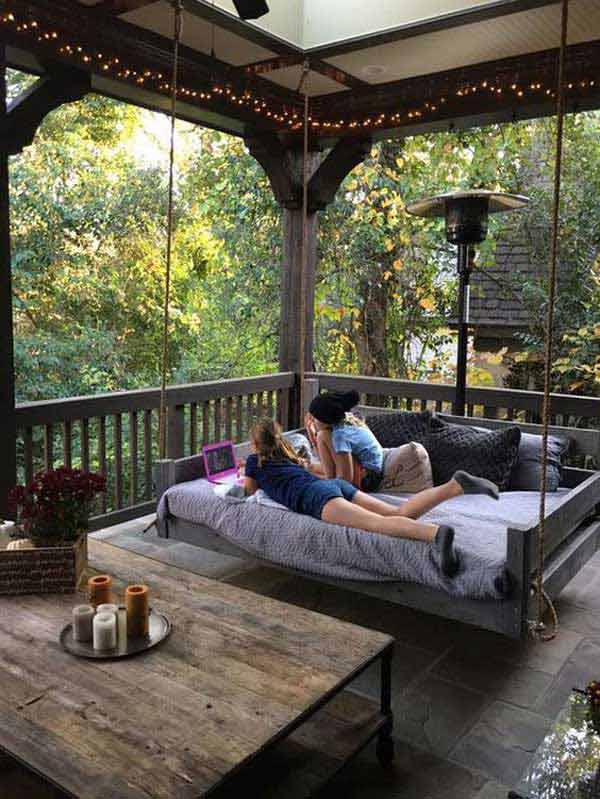
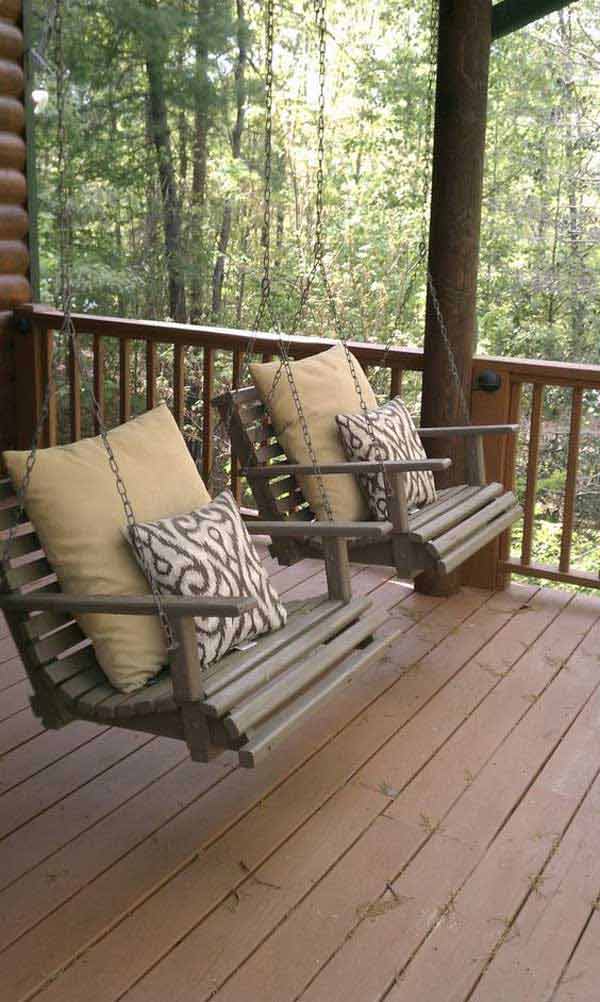
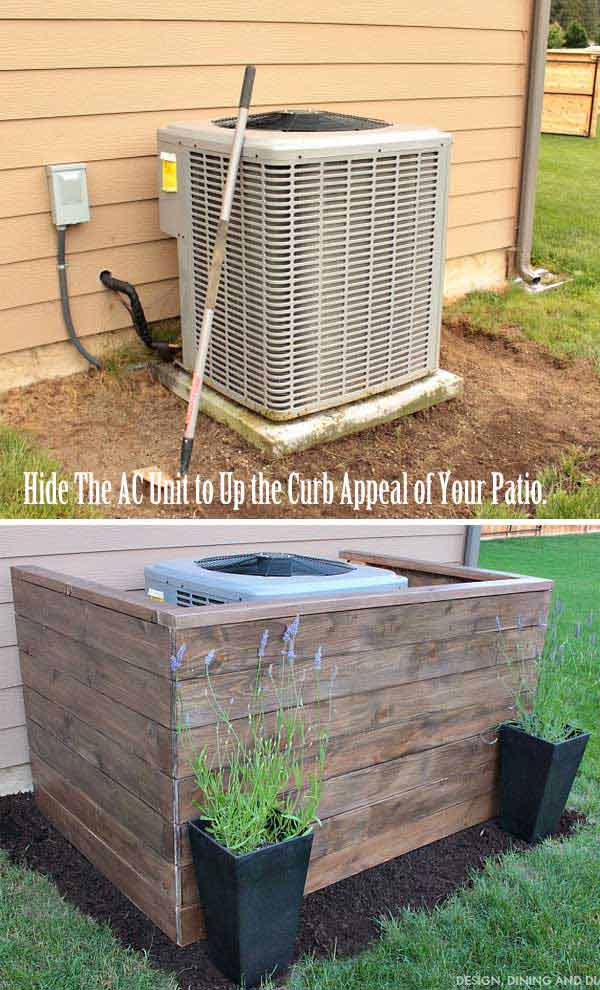
Evenings are great time to spend on your porch and patio especially during the hot season. Or if you love spending time outdoors to enjoy the nice weather, then your porch and patio can be that best place. Your home needs some ideas to make it more “homey”, and the porch is no exception. If you decorate it well, you can make your time even more enjoyable and comfortable. And more, it can help to enhance the curb appeal of your home and makes your guests look forward to seeing the inside of your home. From pallet welcoming post to swing bed to tower of flowers, we have found 29 awesome do it yourself projects to update your patio and porch. Enjoy!