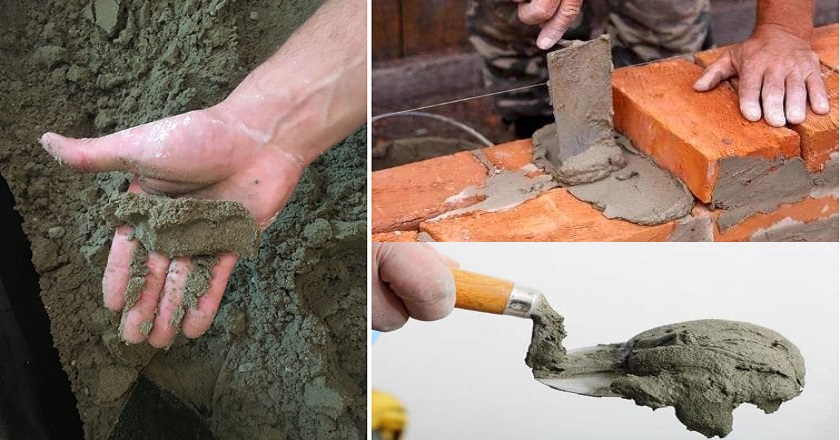
Although the terms mortar, cement and concrete may be used interchangeably, each of these materials serve very different functions within the construction industry and are therefore used for different applications. This article will discuss the specific applications in which the construction industry utilizes mortar compared to other materials.
What is Mortar?
Mortar is a construction material comprised of a binding material, aggregate and water. In terms of strength, mortar is considered to be less strong compared to concrete, which is a building material composed of cement, sand and gravel. As a result, mortar is typically used as a binding material for specific purposes, such as the maintenance of a building’s structure or to join bricks together, rather than as a complete building material on its own. Mortar is used for a variety of different applications within the construction industry and has therefore proved to be particularly useful for civil engineering purposes.
Types of Mortar
In order to choose the appropriate type of mortar for a given project, both the specific construction application and the binding material of interest must be considered. The main types of mortar, each of which are named according to the binding material being used, include cement, hydraulic and fat lime, gypsum, gauged, surkhi, aerated cement and mud mortar.
Each type of mortar has different characteristics making them useful for certain projects. For example, cement mortar is associated with a greater level of resistivity and strength against water, whereas hydraulic lime water is particularly suitable for damp areas that are waterlogged. Regardless of what type of mortar is used, the preparation of mortar will typically involve the addition of water to the binding material and fine aggregate to ultimately create a malleable paste.
Applications of Mortar
In addition to classifying mortar by its binding material, it can also be categorized by the specific application it is being used for. These applications include:
Bricklaying Mortar
Bricklaying mortar is most commonly used to bind bricks, stones and concrete blocks together for masonry projects. Bricklaying mortar can also be used as a bed to support these building materials from bearing an uneven weight distribution onto each other as the structure is being built.
Finishing Mortar
For construction projects that require plastering, as well as those looking to add a certain aesthetically pleasing appearance to the structure, finishing mortar is typically used. Finishing mortar, which will often utilize lime and/or cement as the binding material, is used to increase the strength and mobility of a structure, as well as improve its resistance against damaging environmental incidents like rain and wind.
Thinset Mortar
Thinset mortar can be used as a glue-like structure for projects that require ceramic or stone installation.
Advancements in Mortar Technology
In an effort to improve the ease of handling mortar on the construction site, BASF has recently introduced their newest low dust repair mortars known as MasterEmaco T1060DR and 1061DR. BASF anticipates their low dust mortars to be particularly useful for the construction of both interior and exterior horizontal concrete surfaces, as well as during the repair of both full and partial structural concrete materials.
]]>