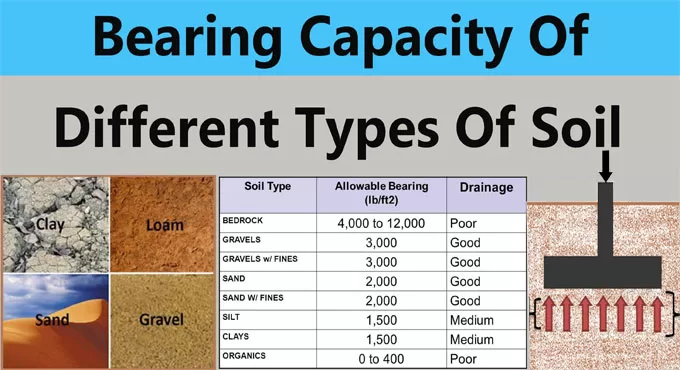
It is extremely important to figure out the safe bearing capacity of the soil at the construction site. If this is not done properly, the structure may settle, and the building may get damaged, or even collapse. For this reason, we perform various tests to find out the safe bearing capacity of the soil. Today, let us see how we can do this.
The safe bearing capacity of soil is defined as the maximum load per unit area that the soil can bear without any displacement or settlement. This is measured in terms of kilograms per square centimeter. If the load exceeds this mark, the soil will start to displace or break. This will lead to structure settlement, which can end up in destructive results.
Formula:
Safe bearing capacity of soil = (ultimate bearing capacity)/(Cross-section area x Factor of safety)
Explanation: The ultimate bearing capacity of the soil is the point at which the soil starts to displace under load.
Any soil can take up to a certain amount of load only, after which it starts to settle or displace.
The cross-section area is the area of soil on site on which the tests are being performed. It can be a square meter in general practice.
The factor of safety indicates how safe the soil capacity results must be before considering a certain type of construction. Naturally, it depends upon the type of building being constructed. It is kept at 2 for general civil constructions and 3 for high-rise or heavy constructions.
Testing Procedures for Soil Bearing Capacity: There are quite a few methods to determine the bearing capacity of the soil at the construction site. Among them, the Drop Weight Method is the easiest and it is a tried and tested true test.
How to perform the Drop Weight Test:
1. Dig up a pit down to the foundation depth.
2. Find a heavy perfectly cube-shaped object. Stone blocks work best. Measure its precise weight.
3. Lift the cube up to a predetermined height directly over the pit. This must be precise as well.
4. Drop the cube in the pit, and then carefully lift it out without disturbing the impression made by the block.
5. Measure the depth of the impression made by the block.
6. Repeat the above process several times and take the average value.
Example:
Weight of the block: 1.2 kg
Height of drop: 120cm
Depth of impression: 1.6cm
Cross section: 20 sq.cm.
Factor of safety: 2
Therefore, ultimate bearing capacity = (1.2 x 120)/1.6 = 90
And, safe bearing capacity of soil = 90/(20 x 2) = 2.25 kg/cm2.
Safe Bearing Capacity (SBC) values for different types soils: These values represent probabilities only. You can use the data below for making a preliminary design and estimation. However, you still have to carry out the actual tests at site to know the real value and adjust the design accordingly.
Soft, wet or muddy clay: 0.5 kg/cm2
Black cotton soil: 1.5 kg/cm2
Loose gravel: 2.5 kg/cm2
Compacted clay: 4.5 kg/cm2
Soft rocks: 4.5 kg/cm2
Compacted gravel: 4.5 kg/cm2
Hard rocks: 33.0 kg/cm2
Coarse sand: 4.4 kg/cm2
Medium sand: 2.45 kg/cm2
Fine sand: 4.45 kg/cm2
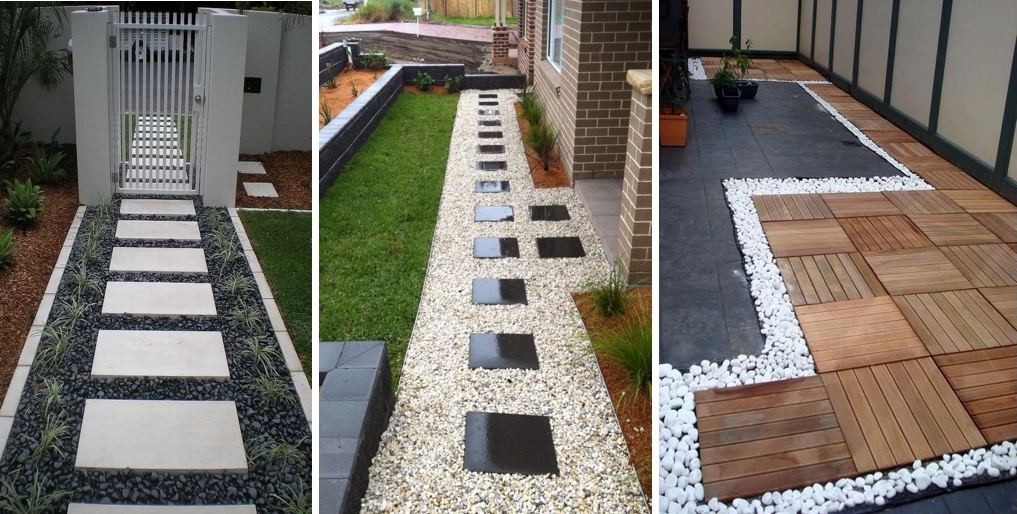
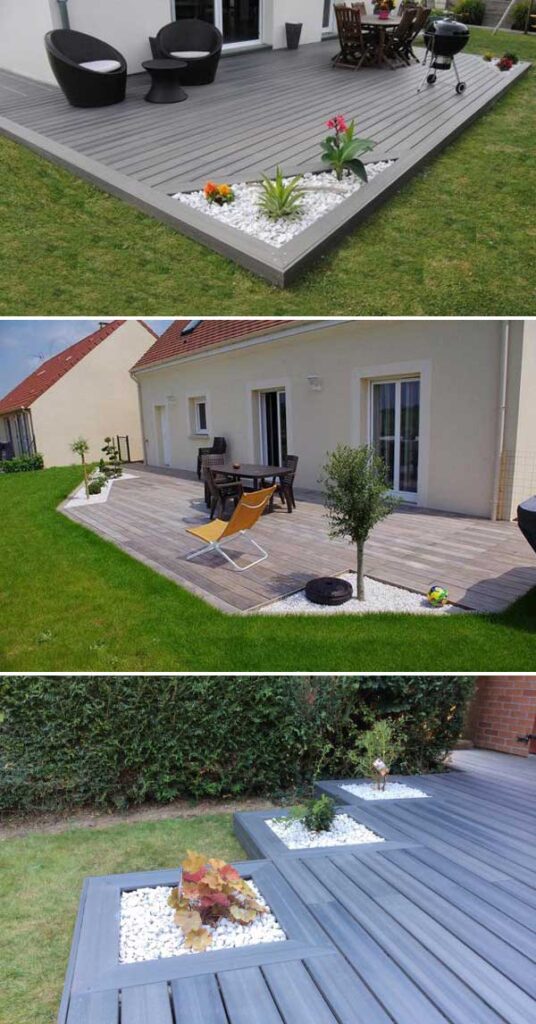
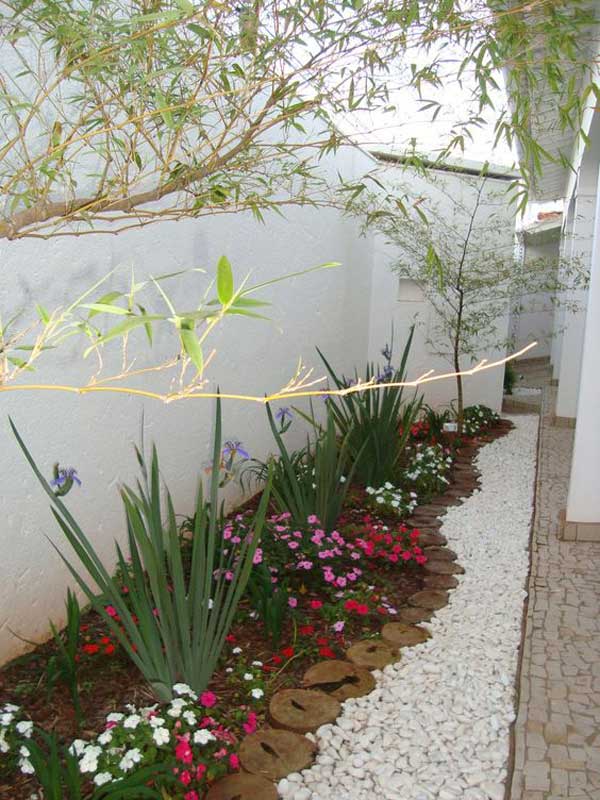
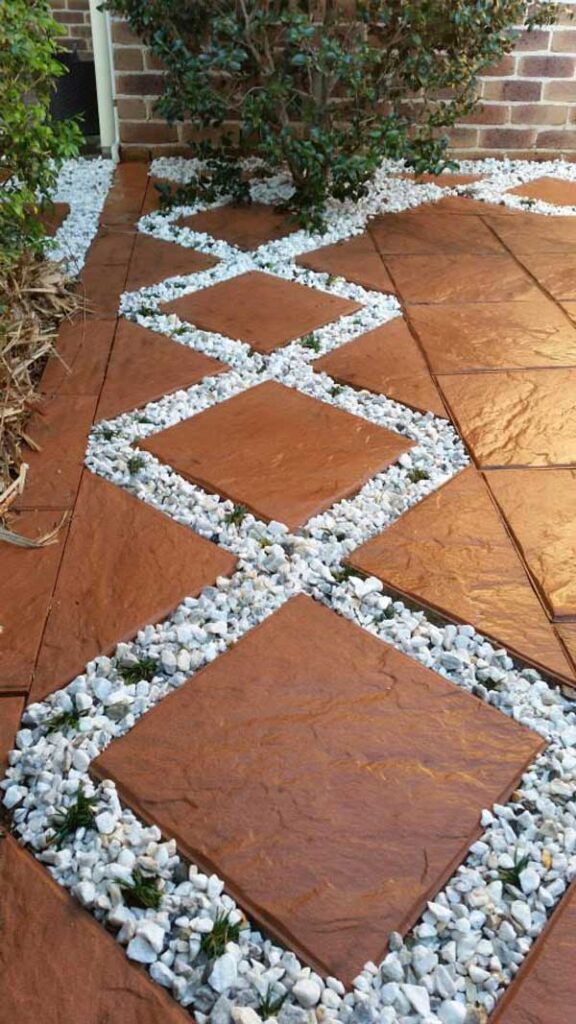
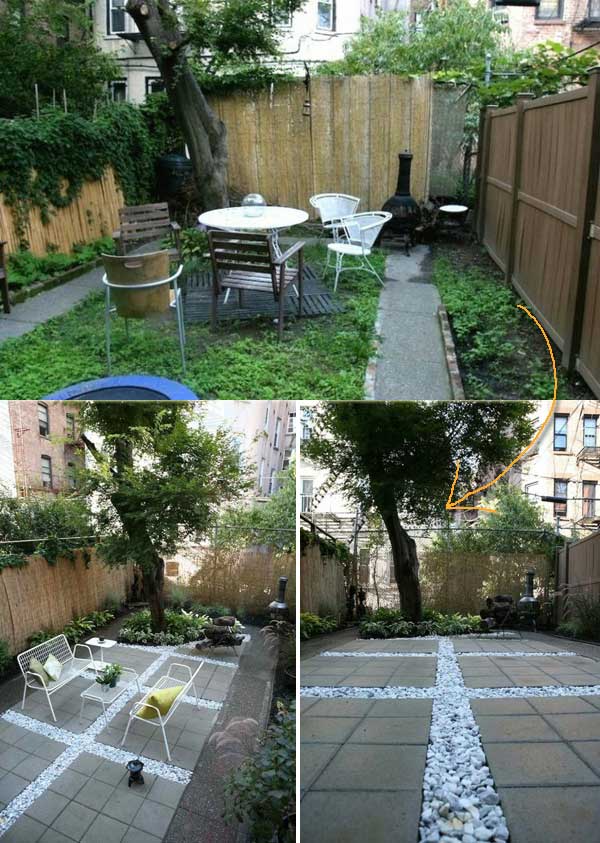
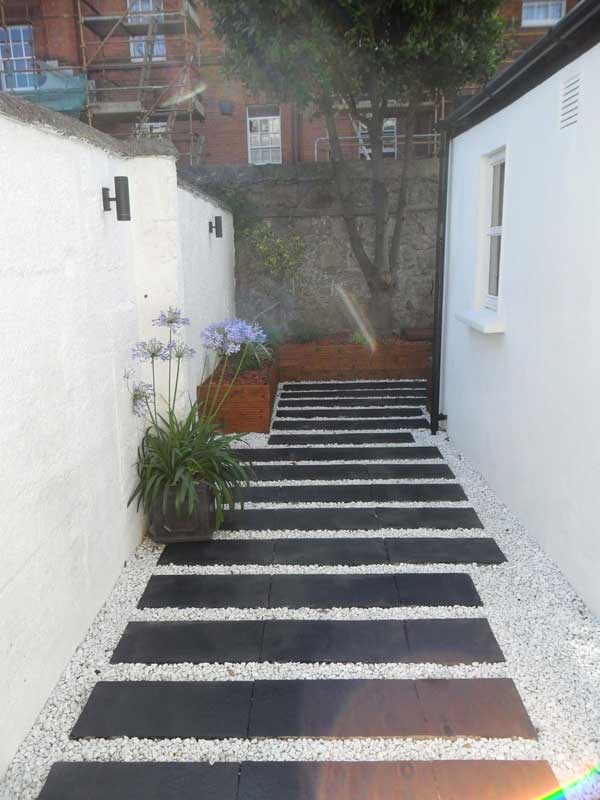
The presence of wood in an outdoor space gives it a warm and cozy look, so it is becoming a popular trend for outdoor space decor. Still, if you add the gravel to the adornment, the wood tile flooring or wooden deck will create stunning landscapes. The texture and interest of the wood tile flooring will create an amazing illusion that living space extends outside to your home’s outdoor. And decorative gravels can increase the visual appeal and functional purposes, so in any landscape can be introduced. We found that the combination of gravel and wood tile flooring can create stunning vision in particular. Moreover, if your wood tile flooring is irregular, you can use gravel to fill the edges of the area.
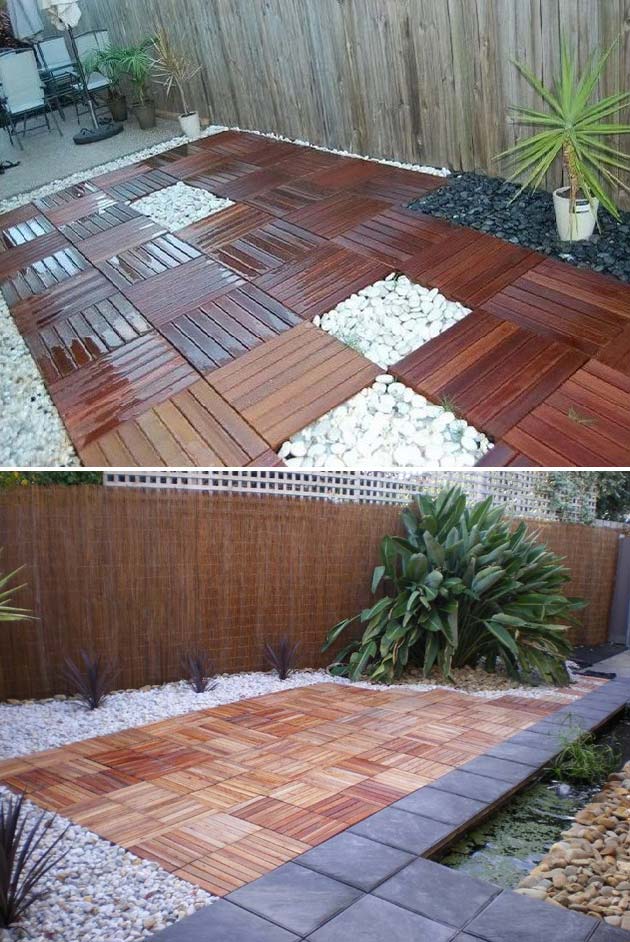
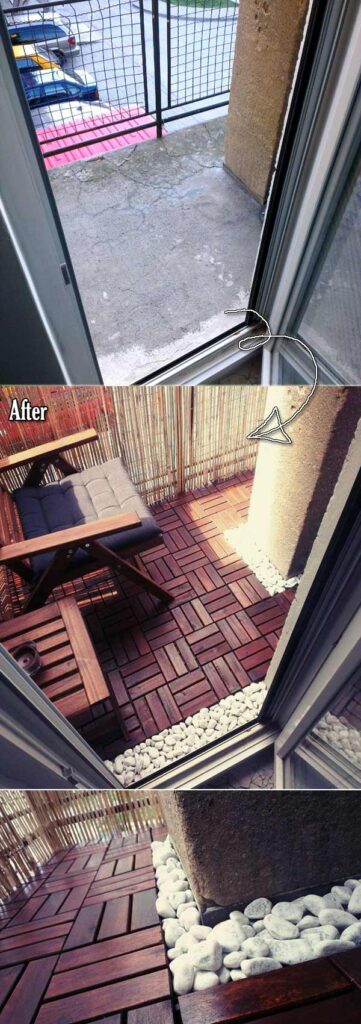
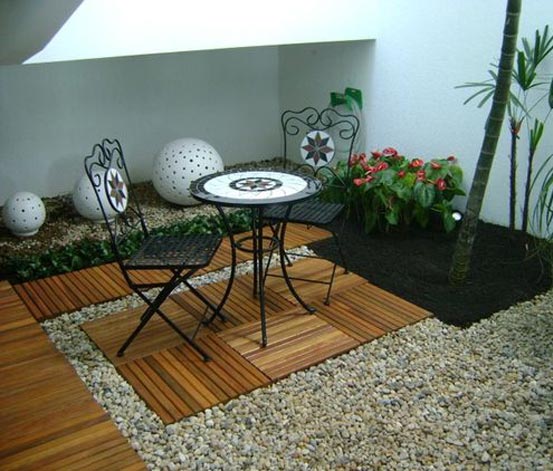
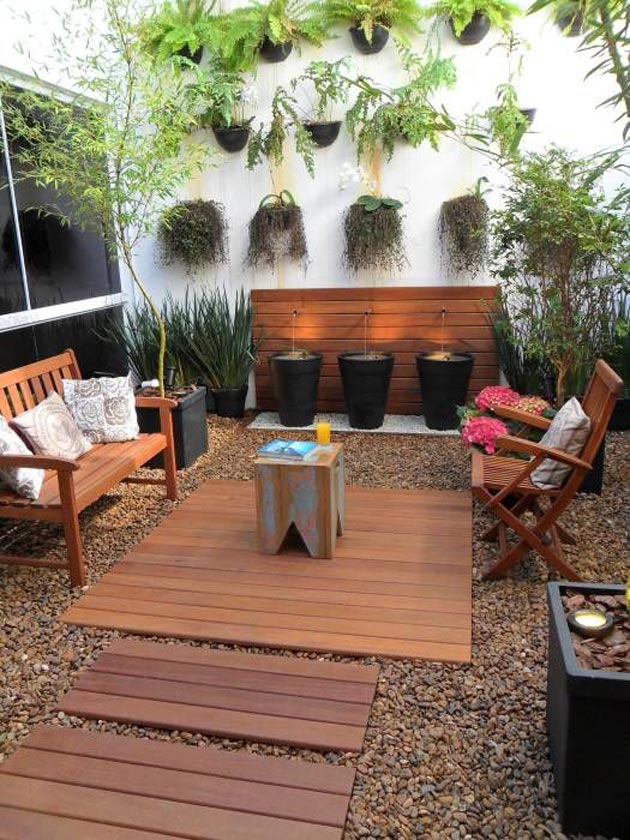
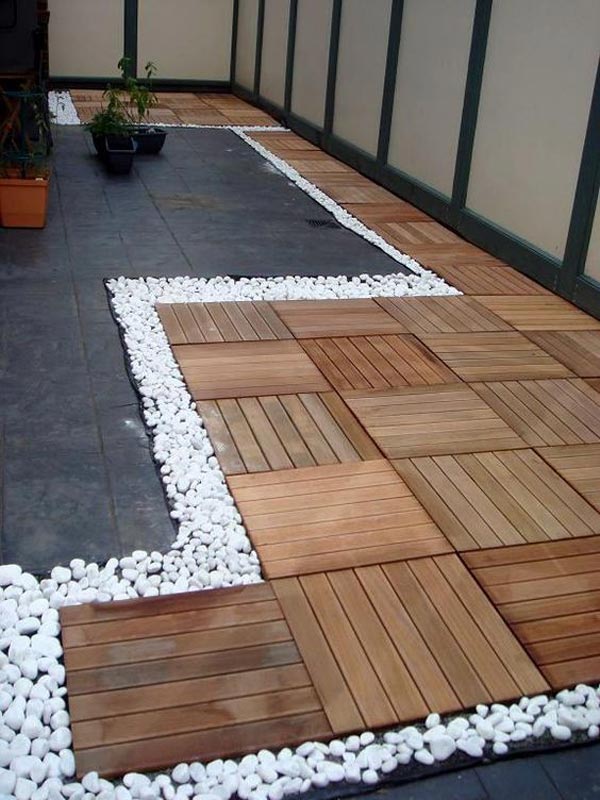
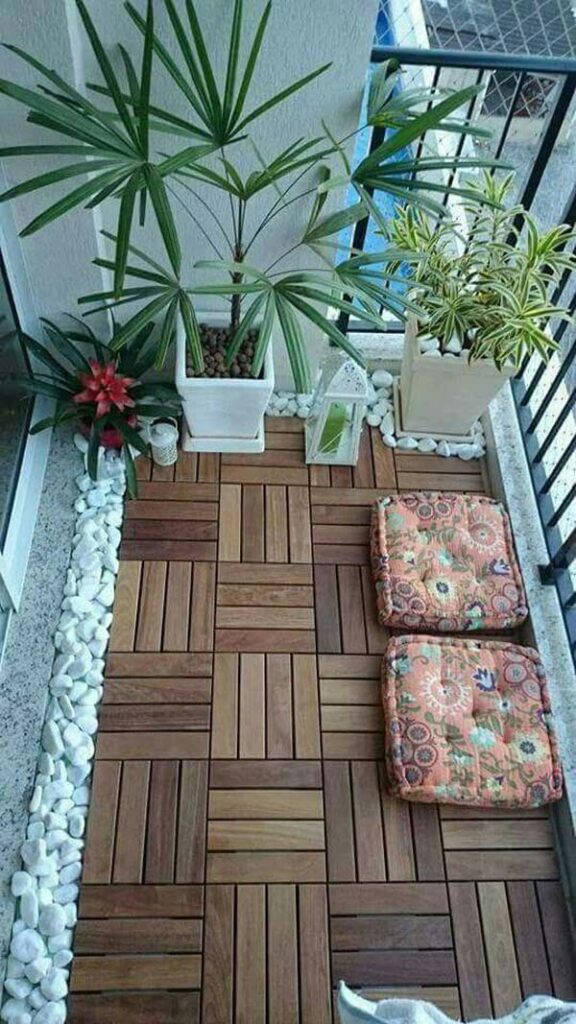
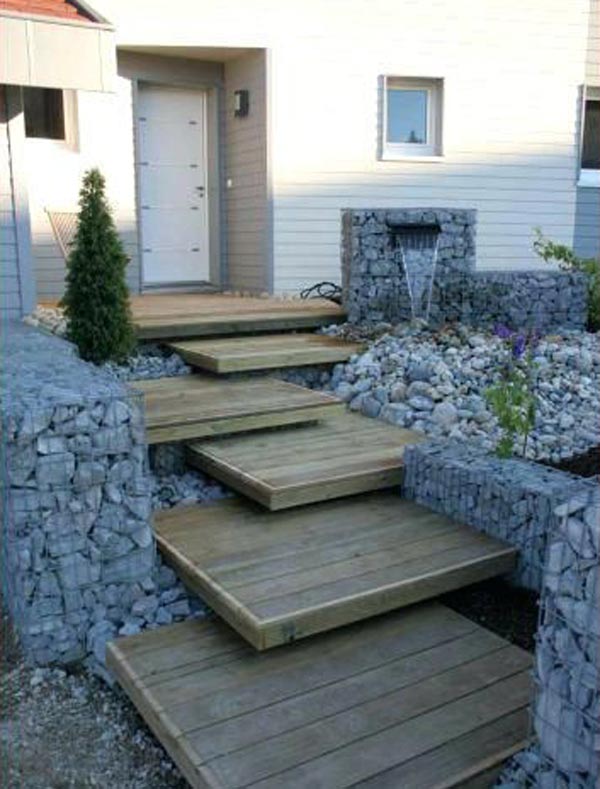
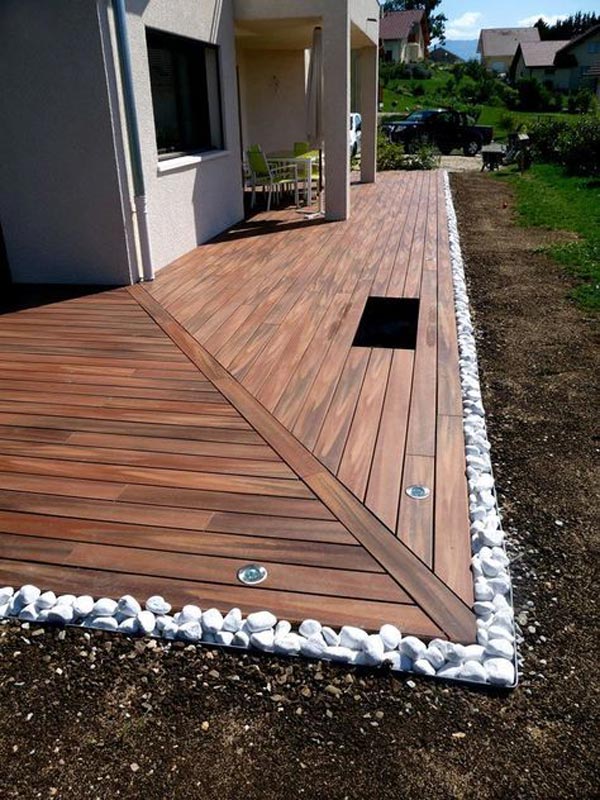
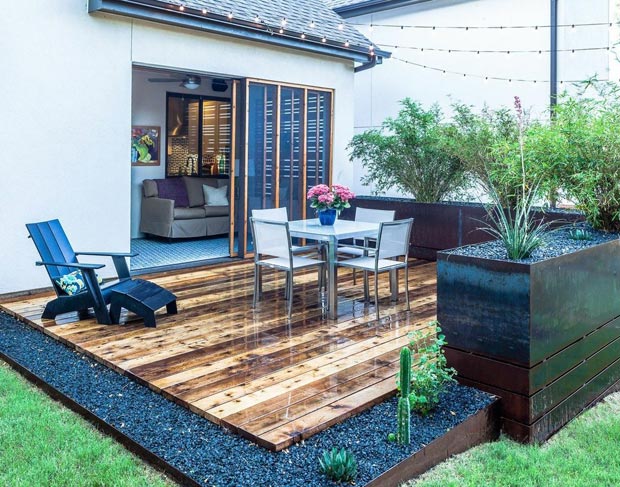
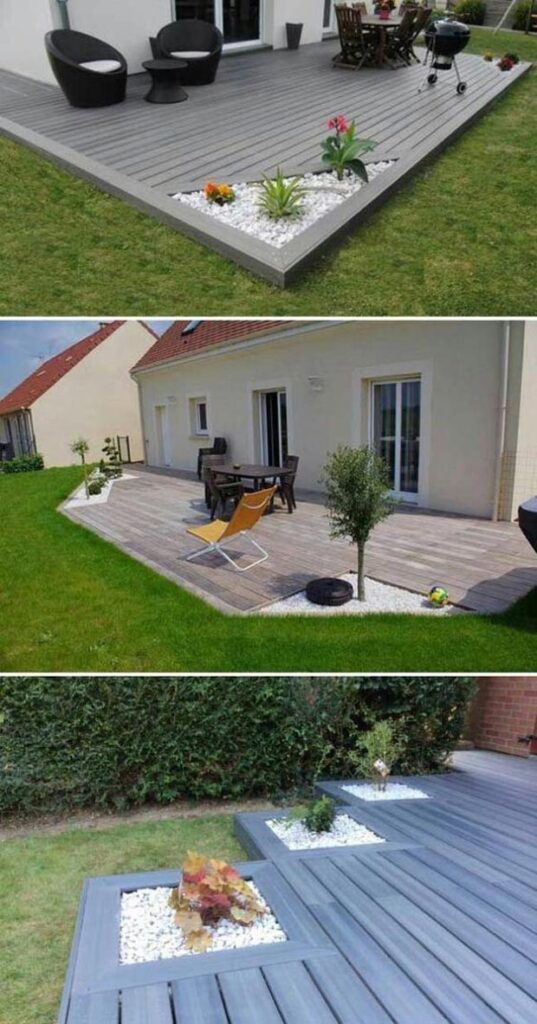
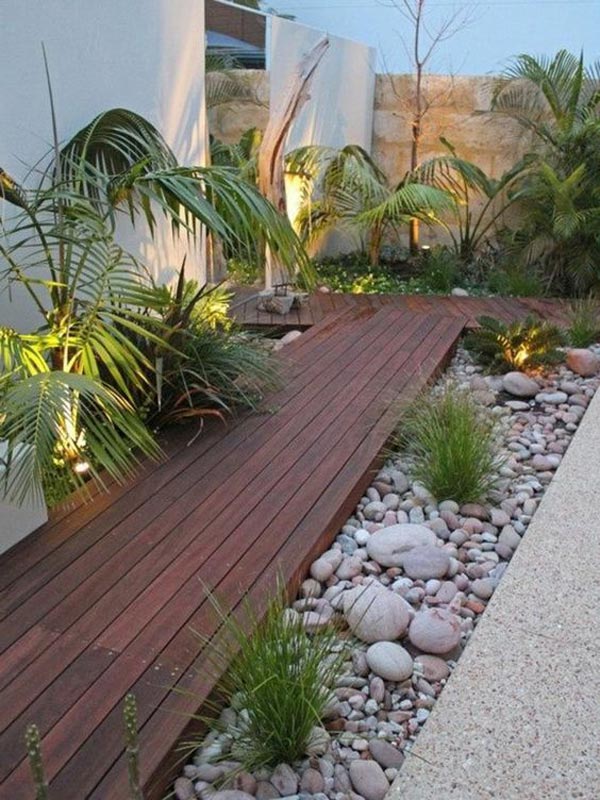
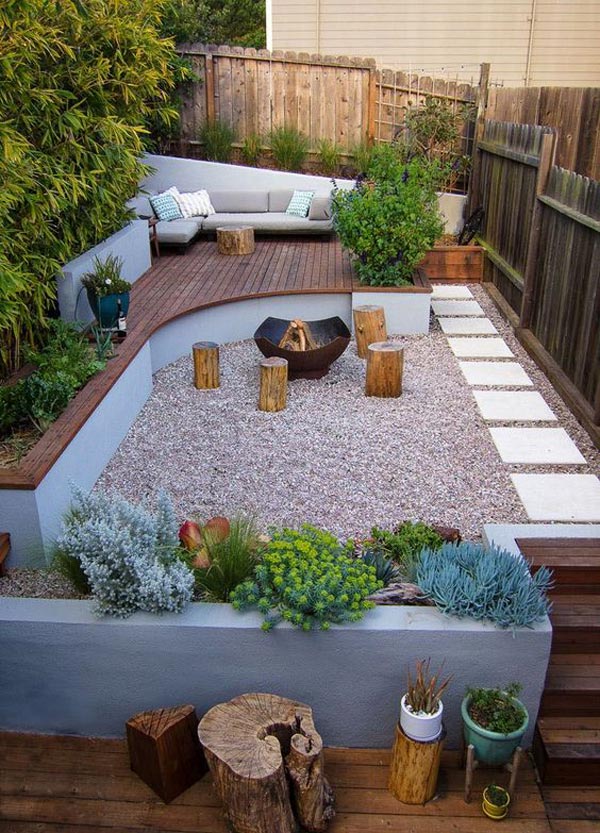
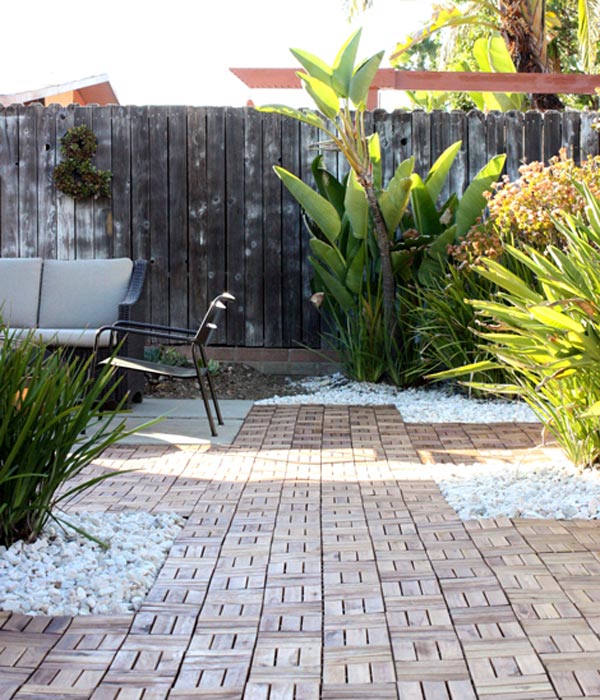
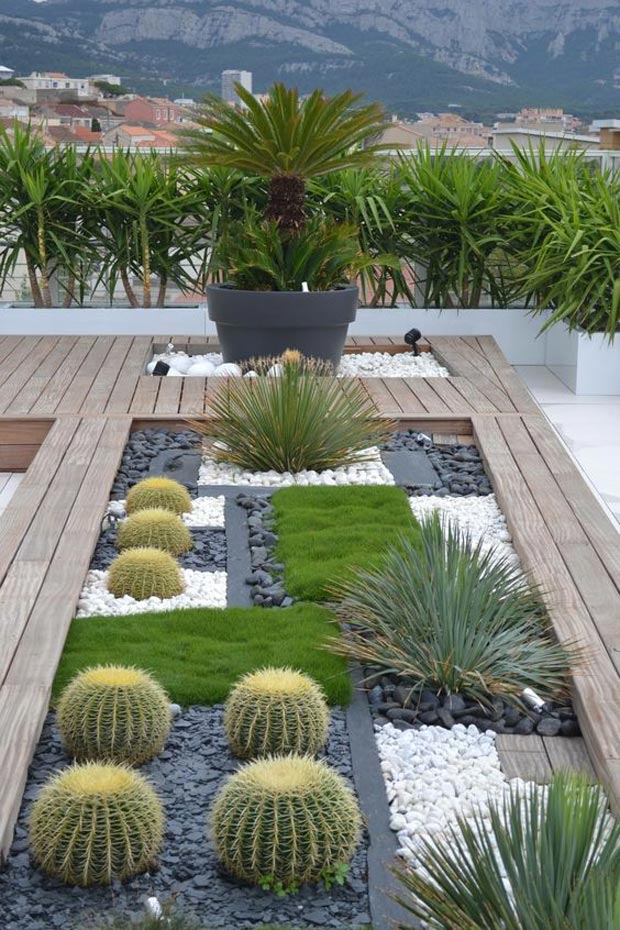
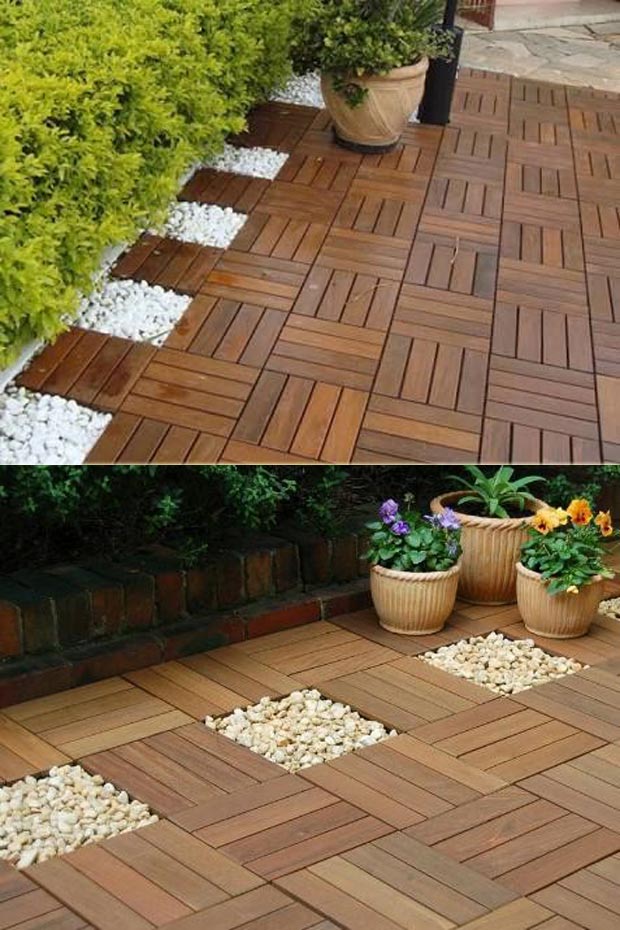
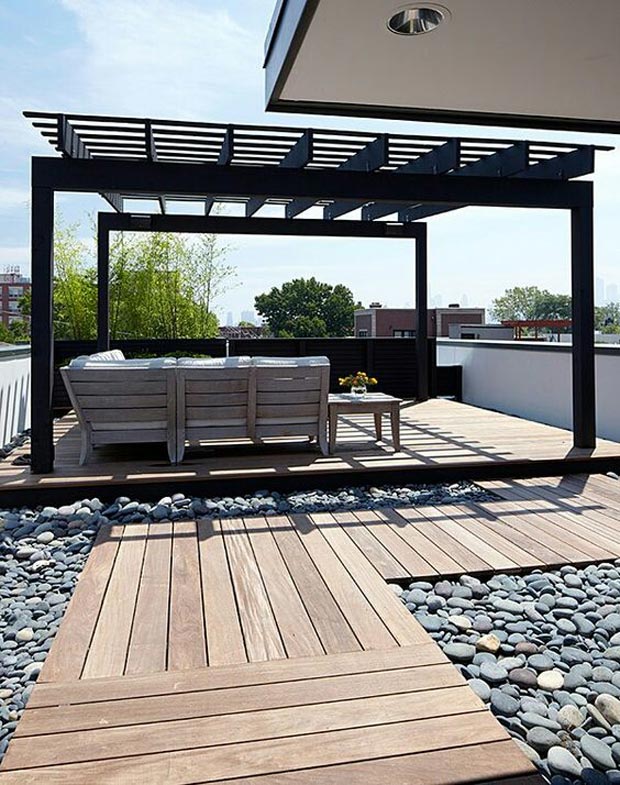
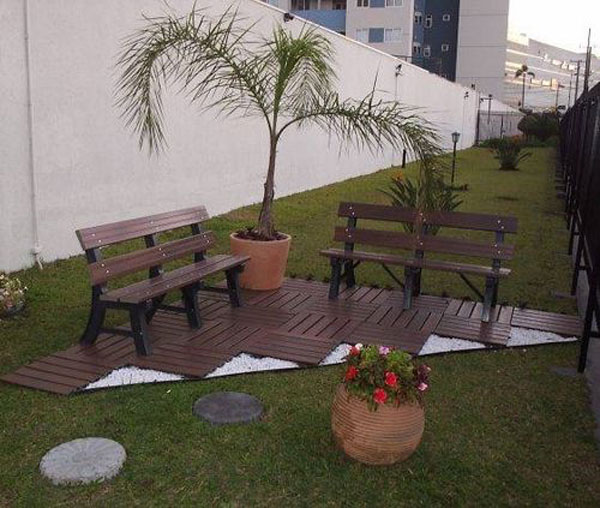
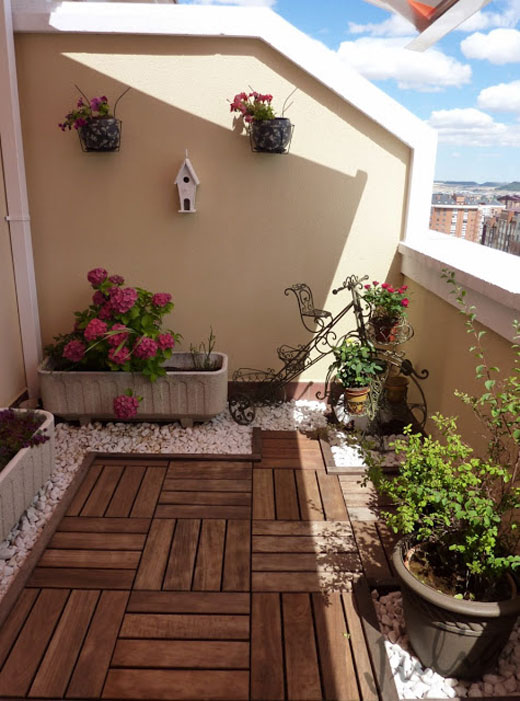
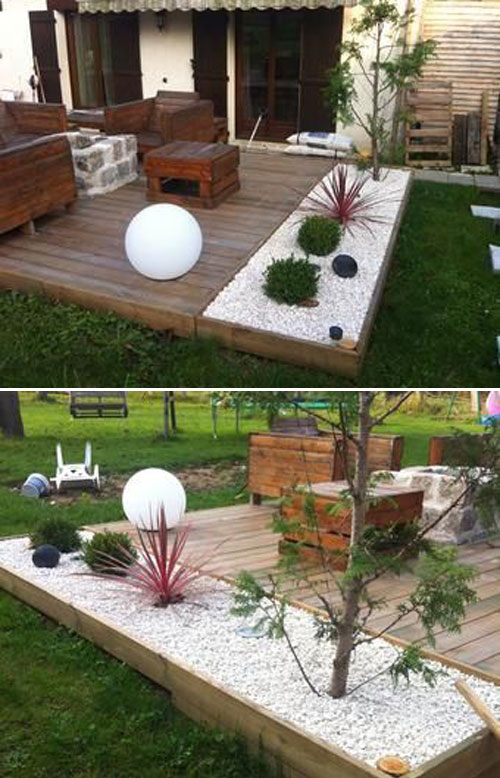
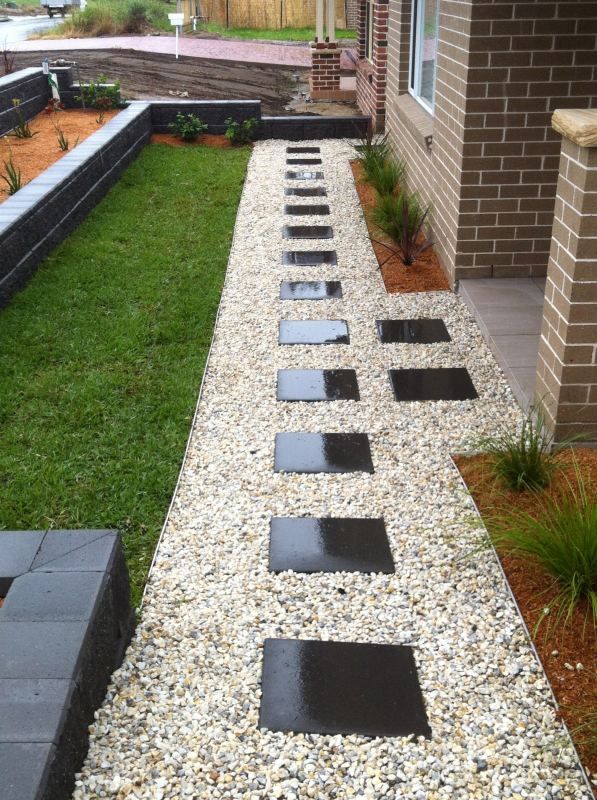
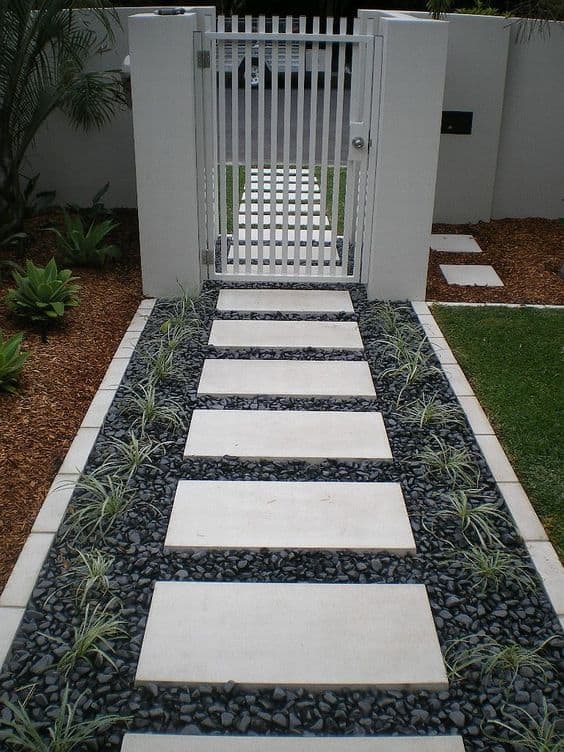
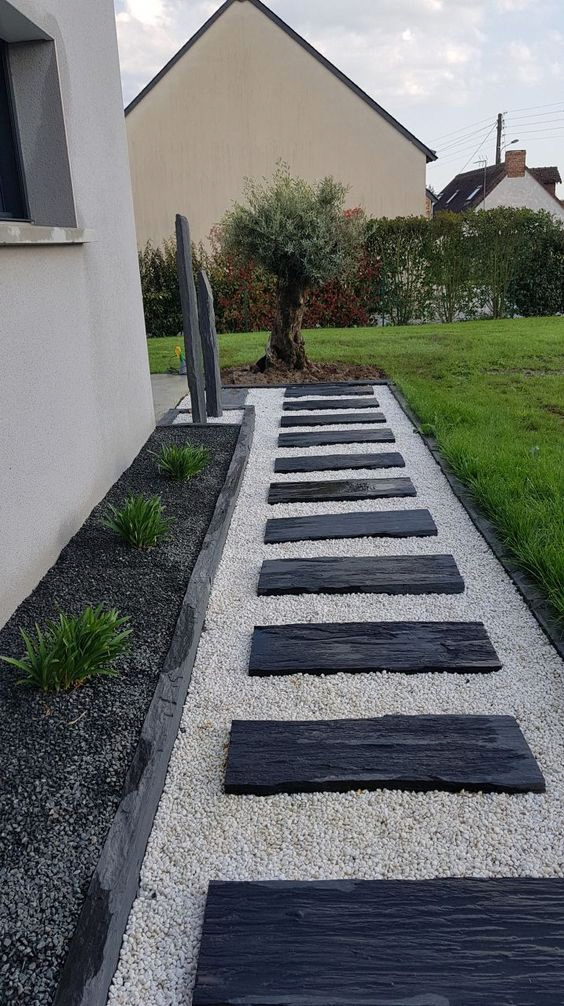
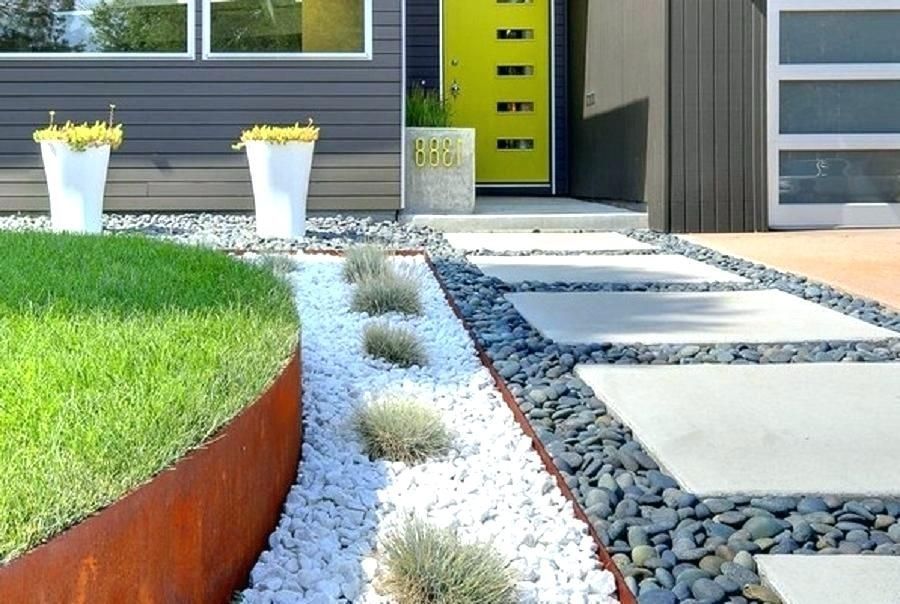
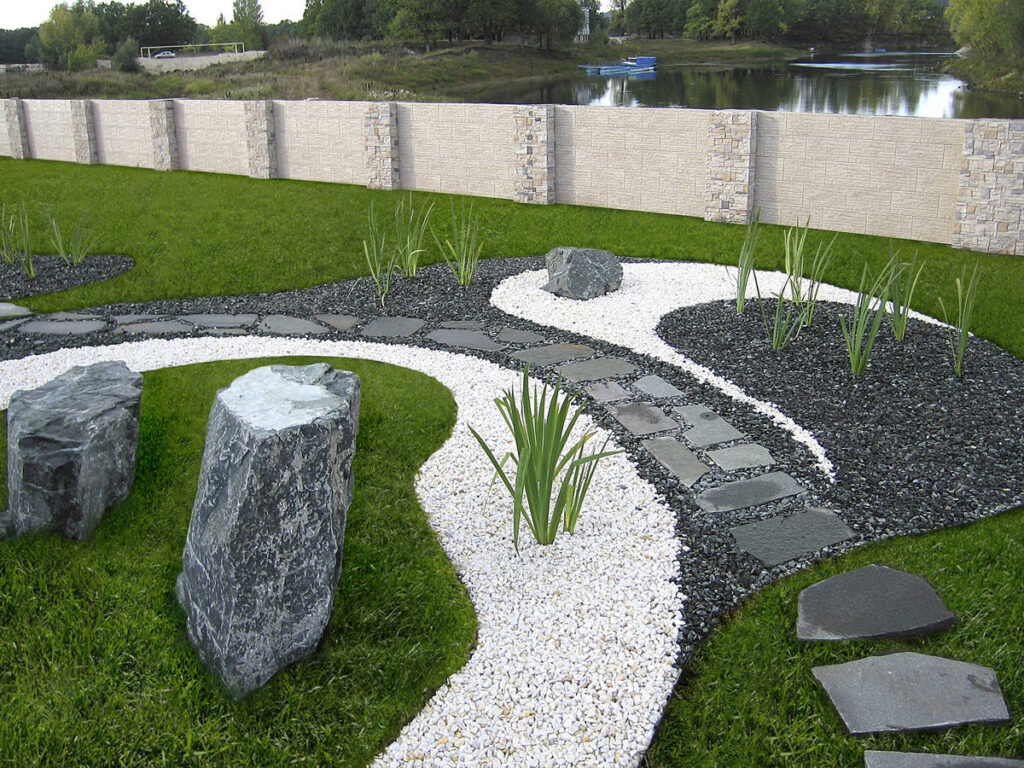
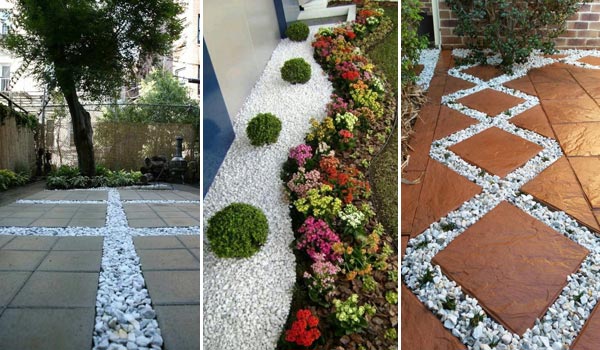
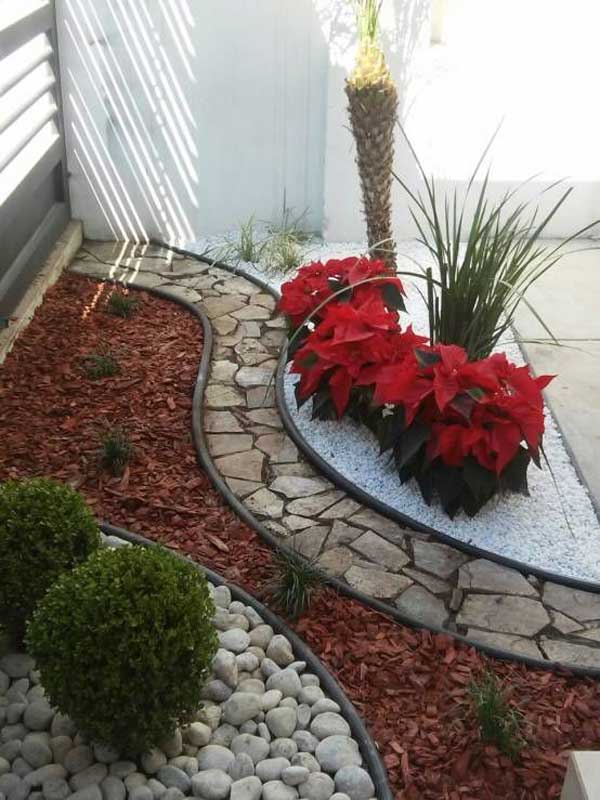
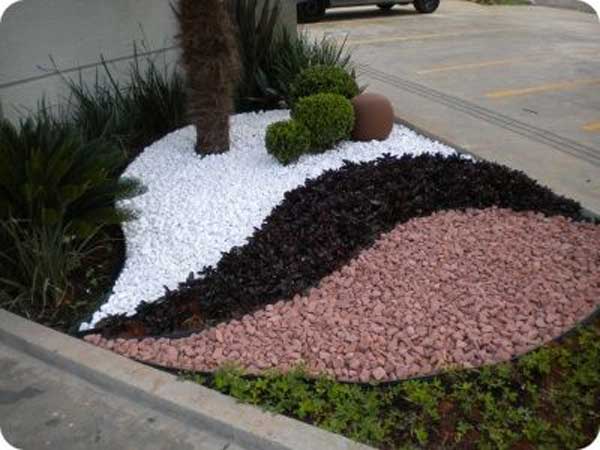
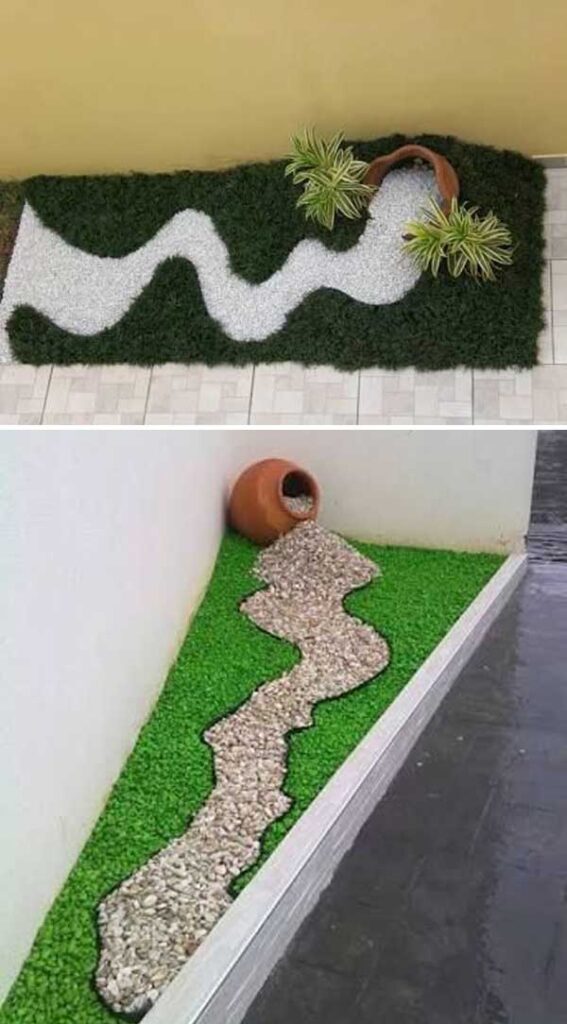
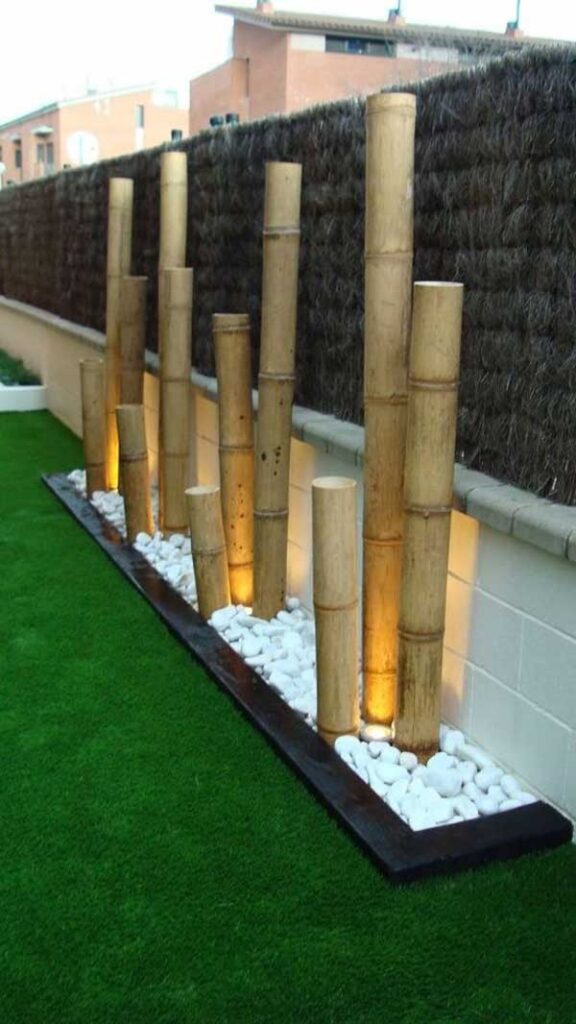
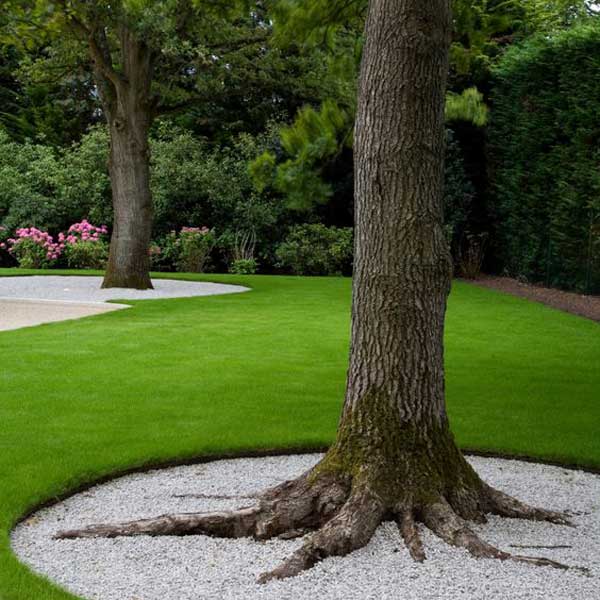
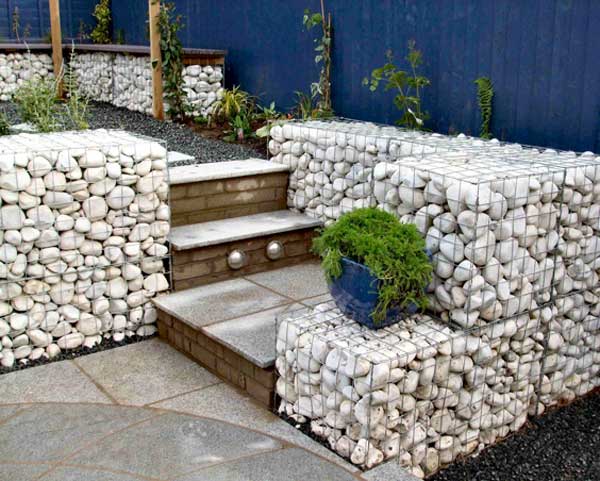
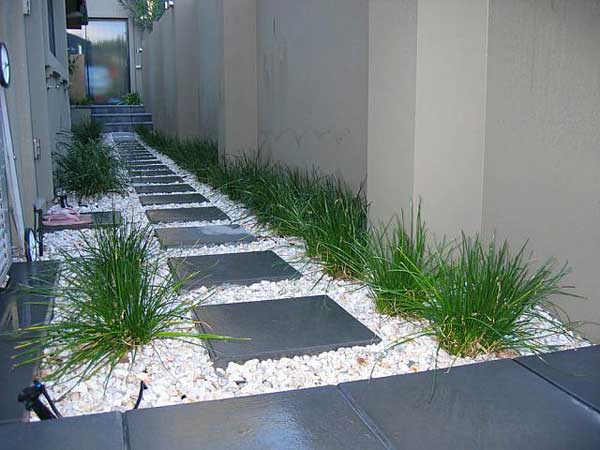
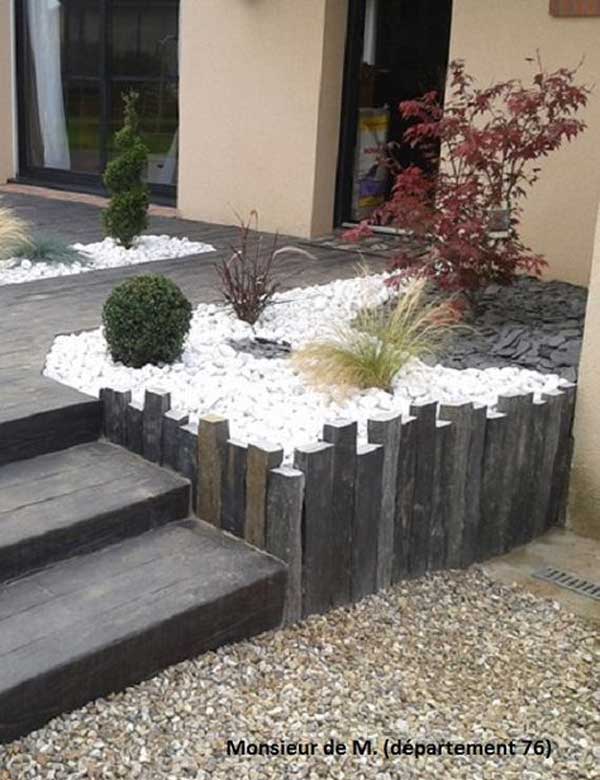
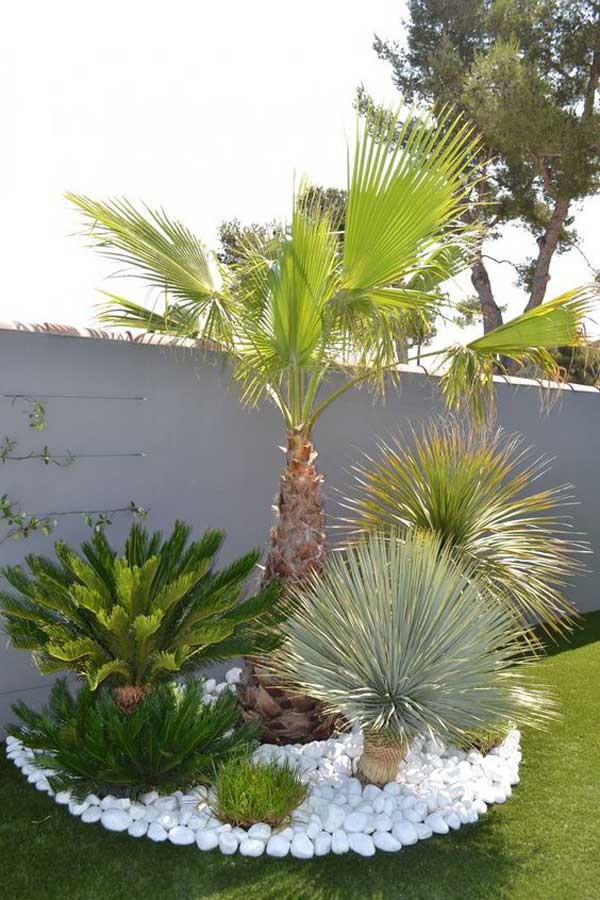
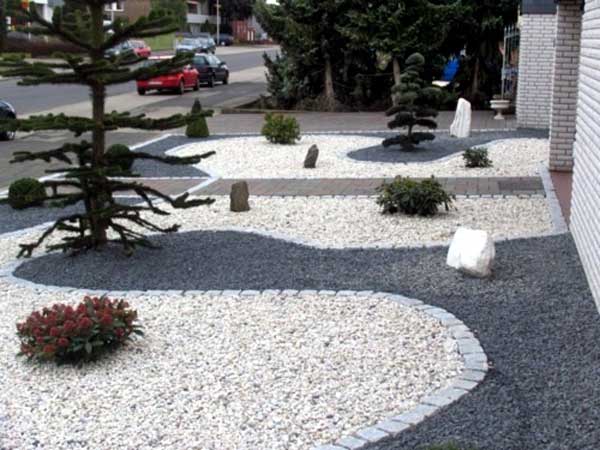
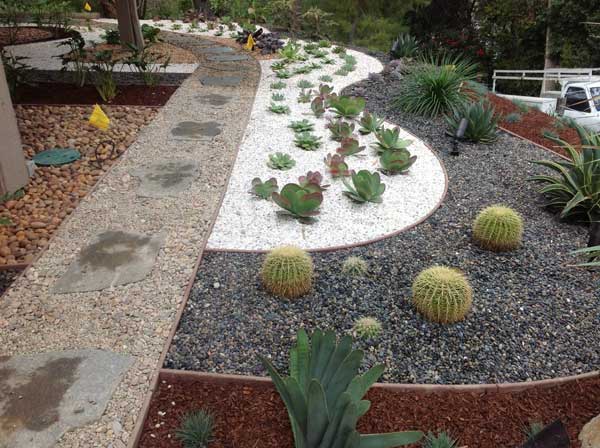
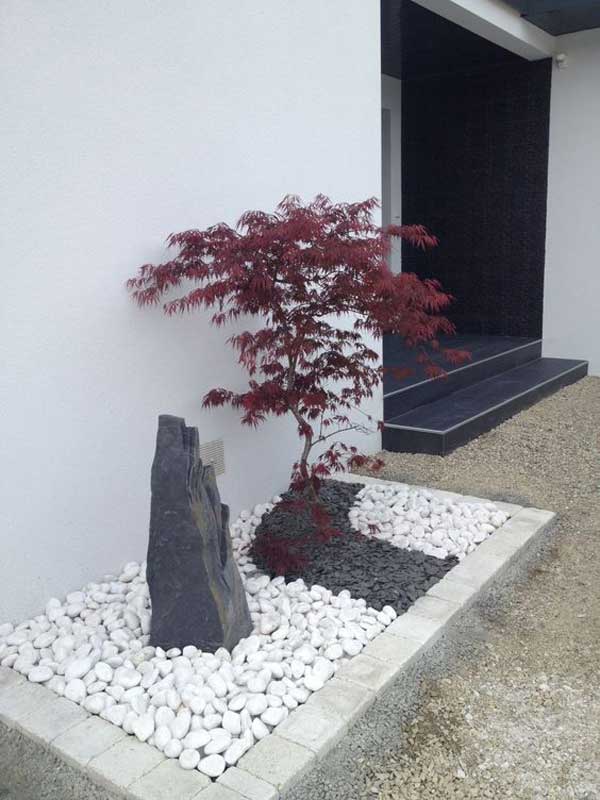
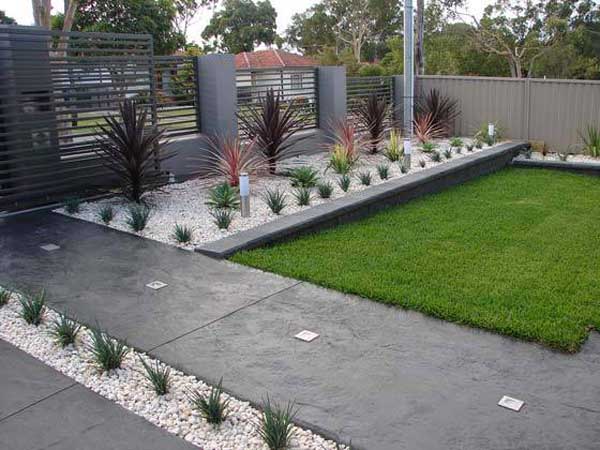
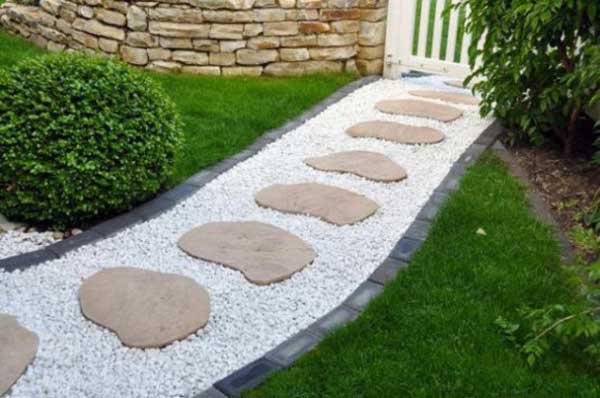
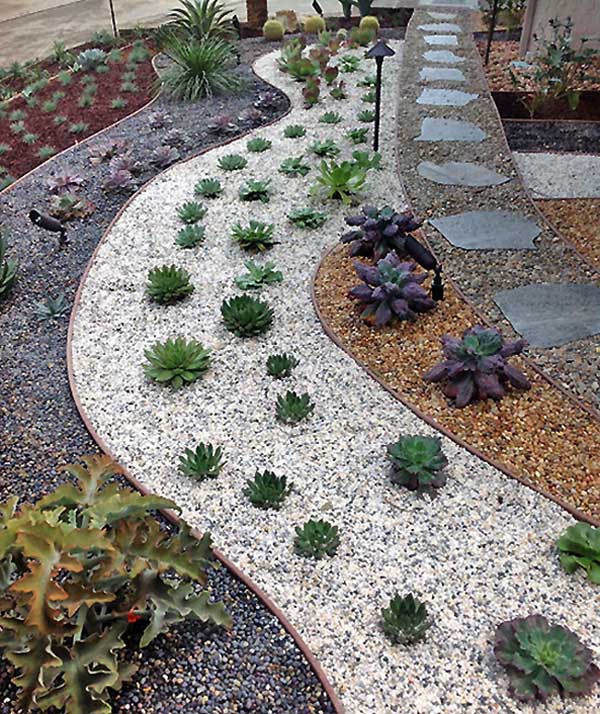
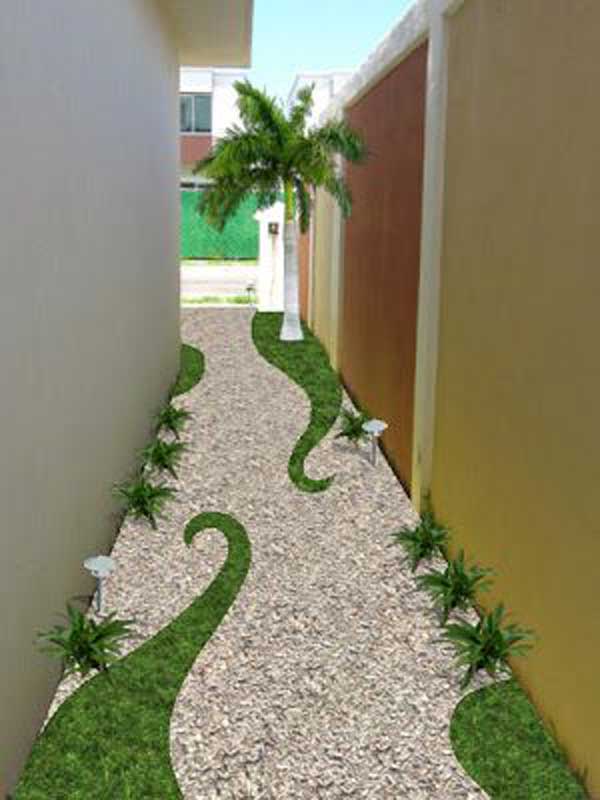
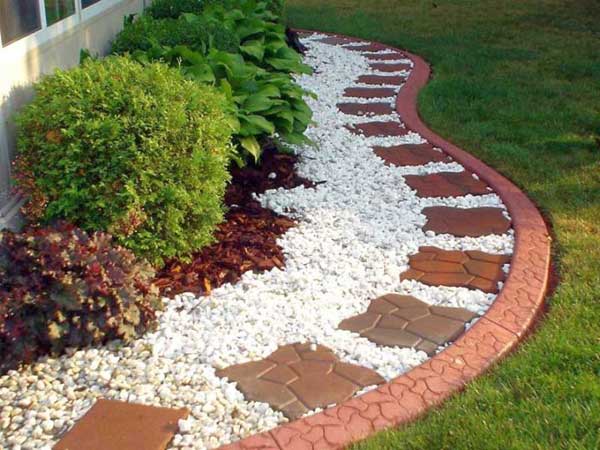
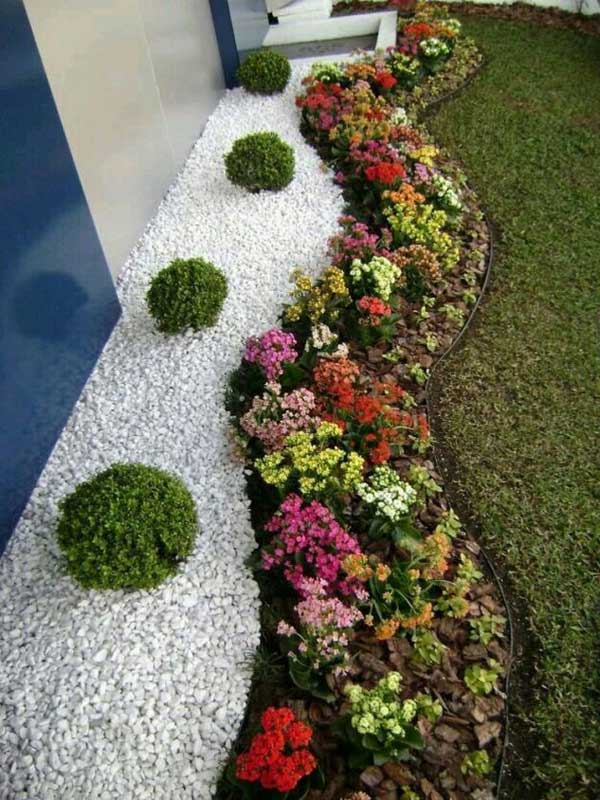
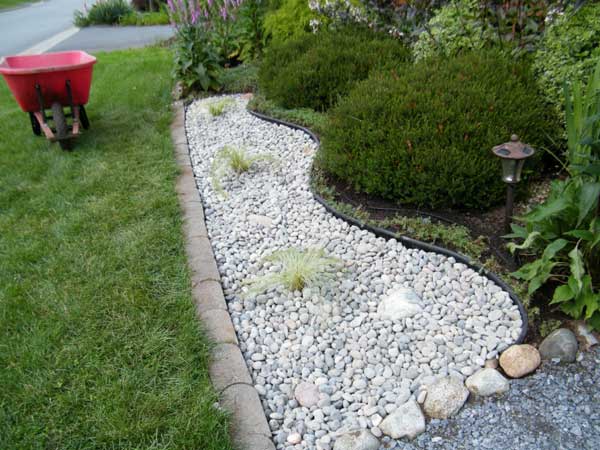
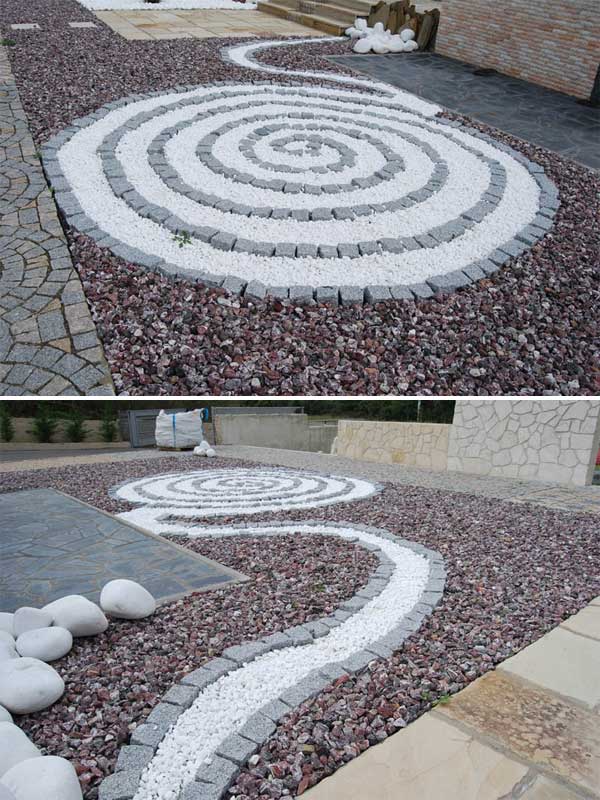
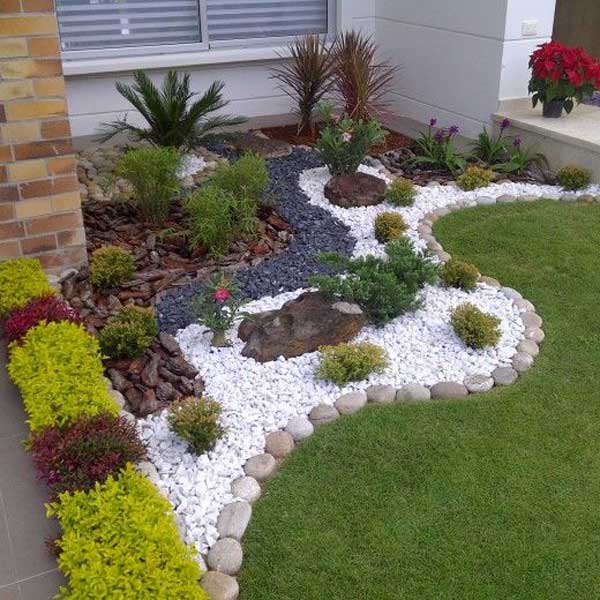
If you want to look for some tips to enhance the beauty of your residence then you could consider decorating with white gravel. Inexpensive and easy to install, landscaping your space using white gravel is surely green and stylish. The same as many other types of gravel, they drain quickly, require little maintenance, and white gravel also have their own unique advantages, they are more easily to blend with the surroundings. Have a look at these fabulous decor ideas and then try a design of white gravel landscaping.