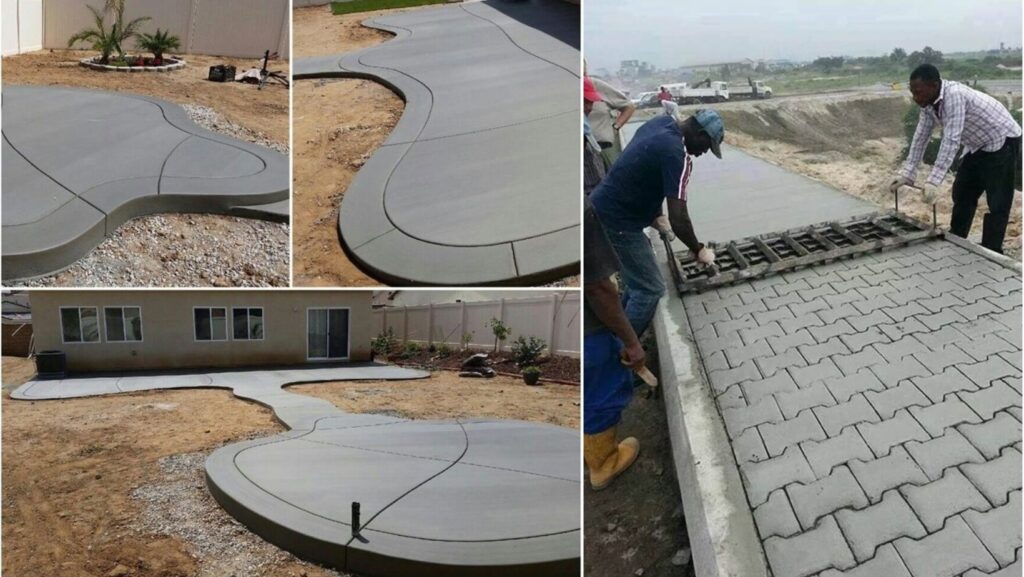
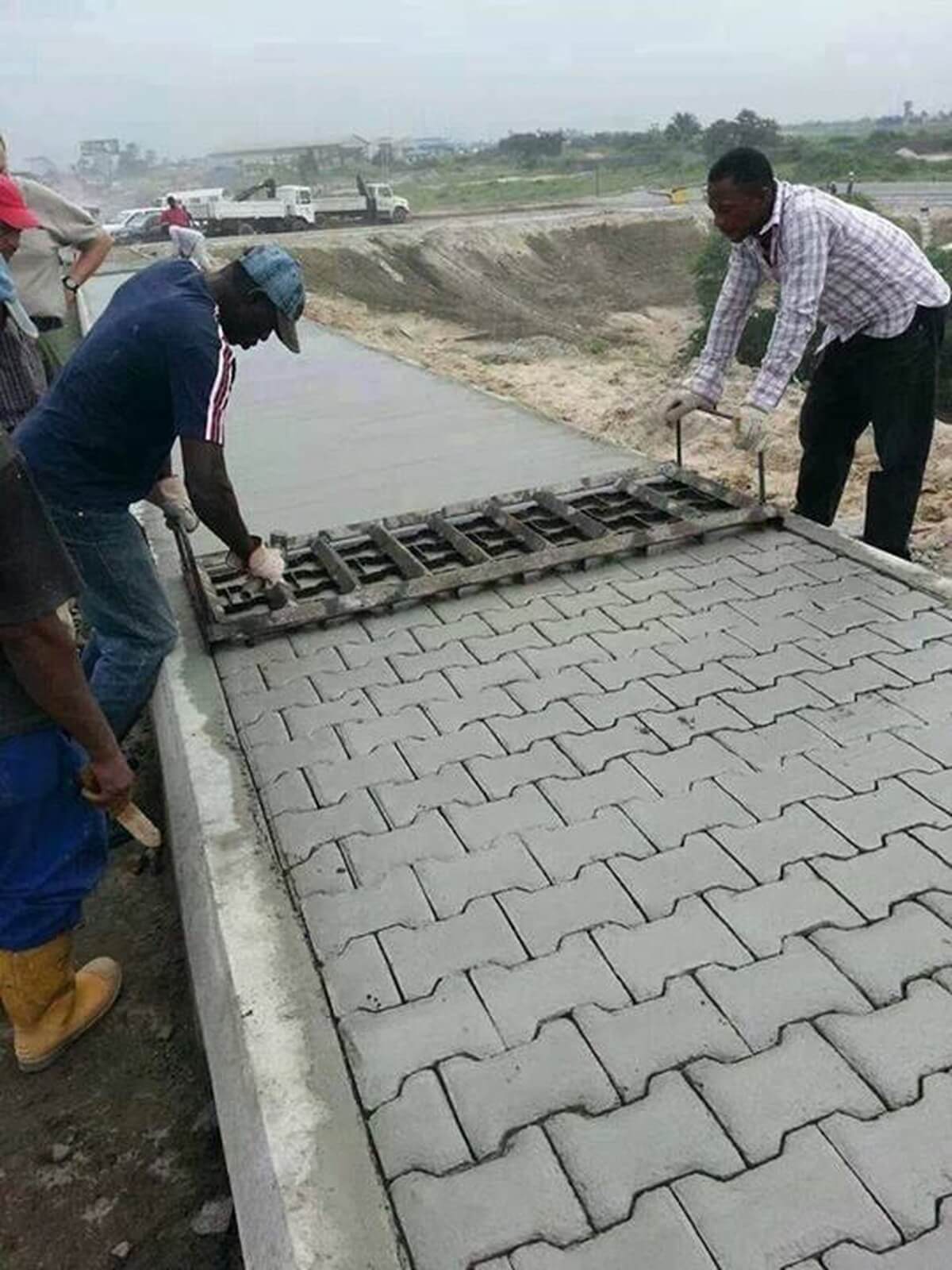
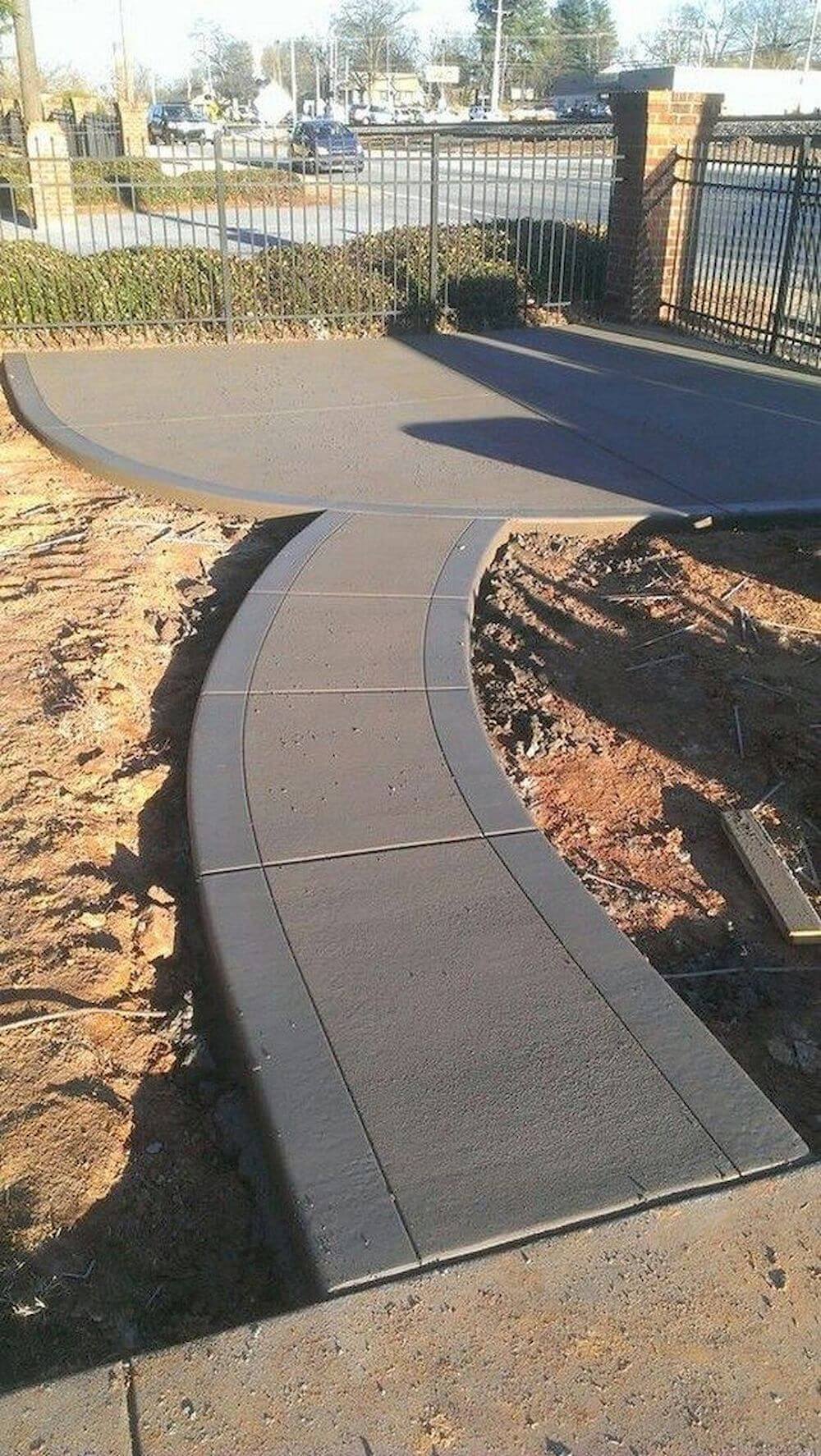
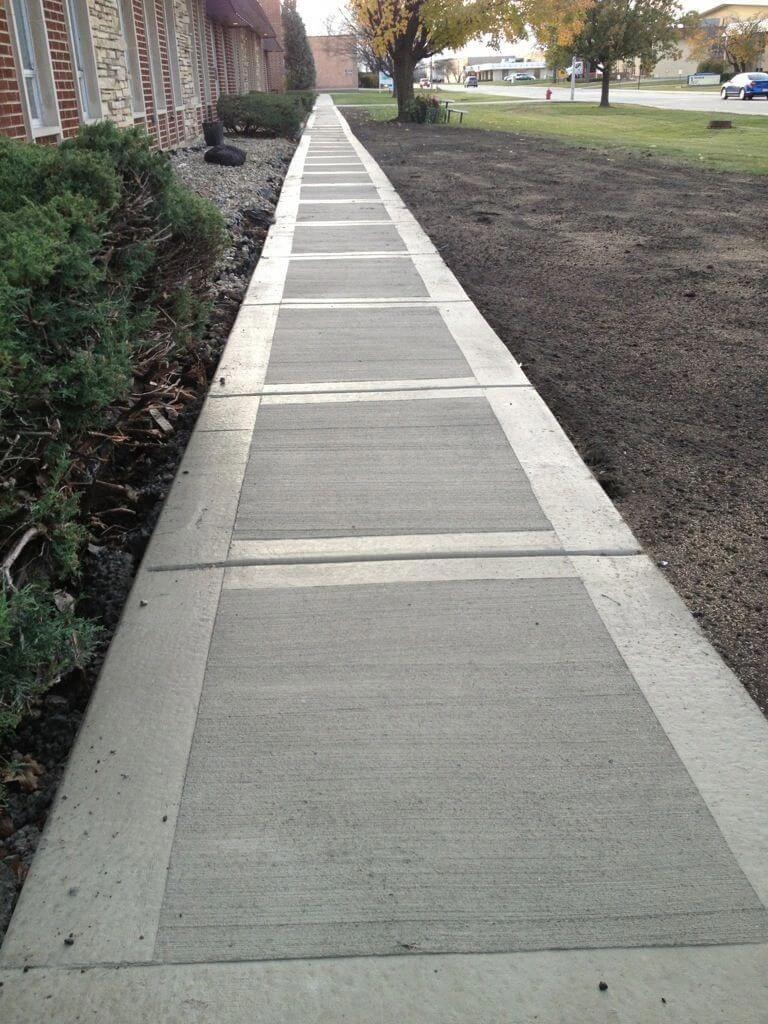
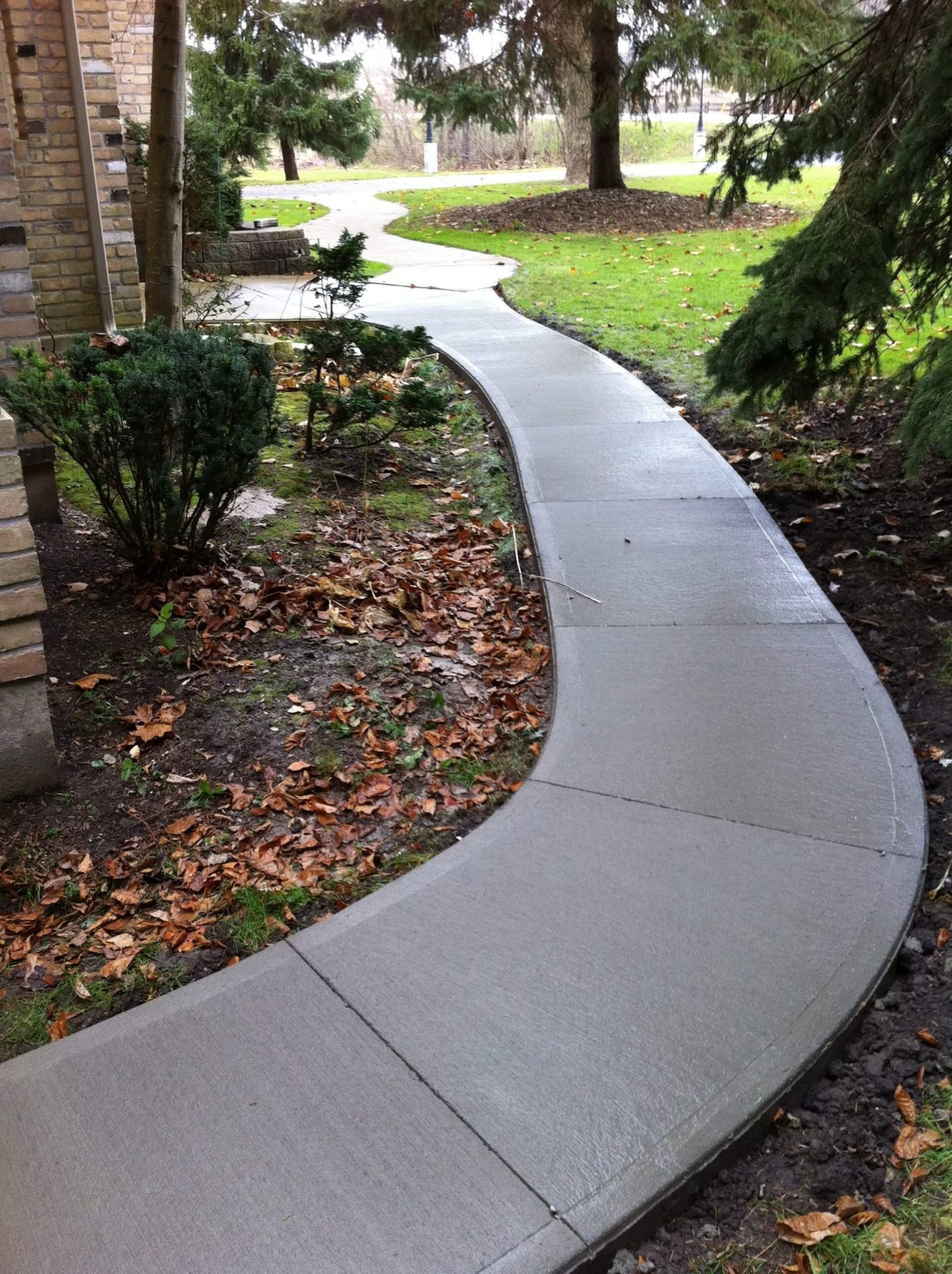
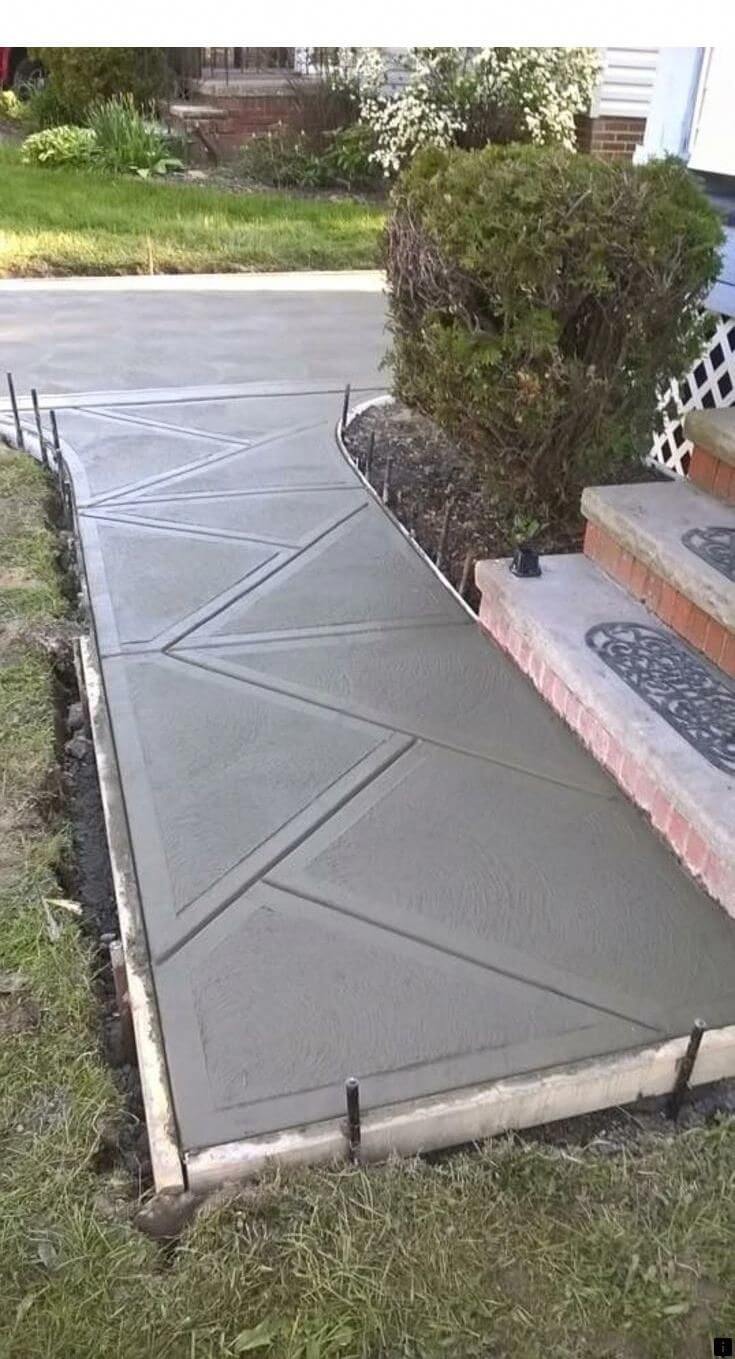
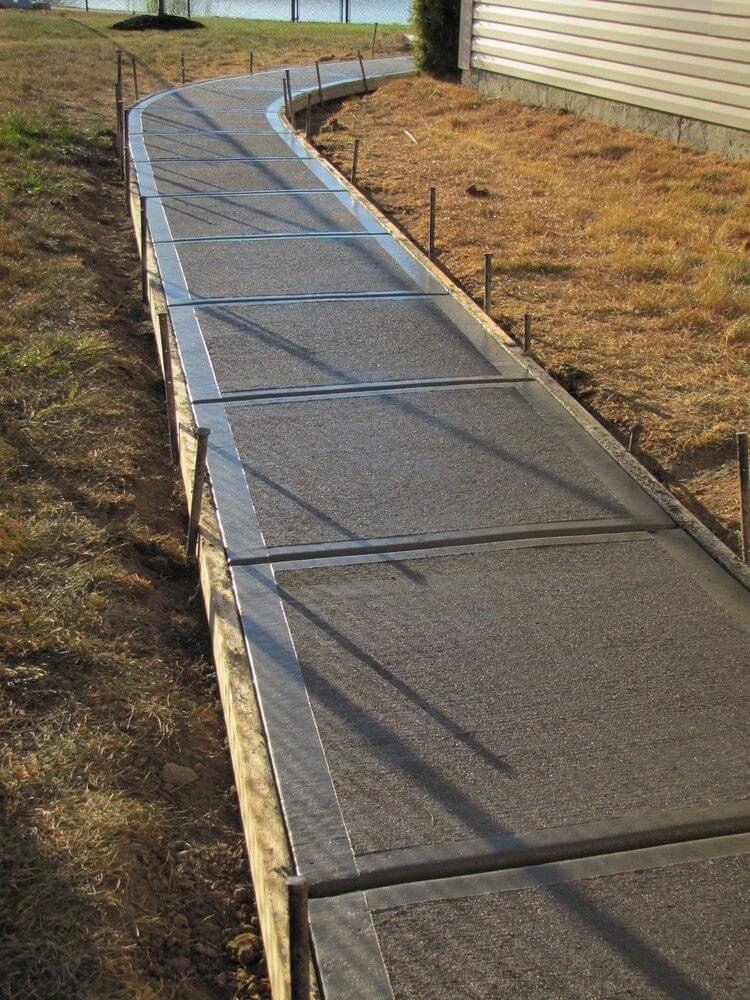
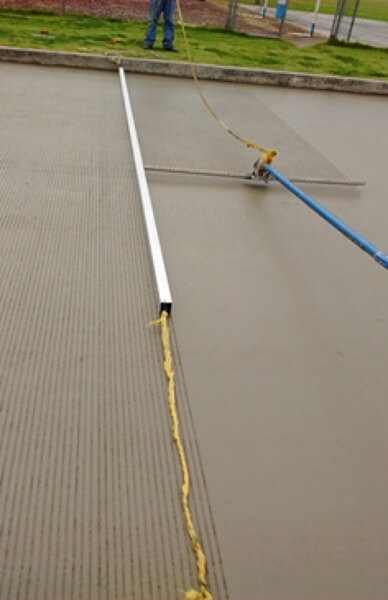
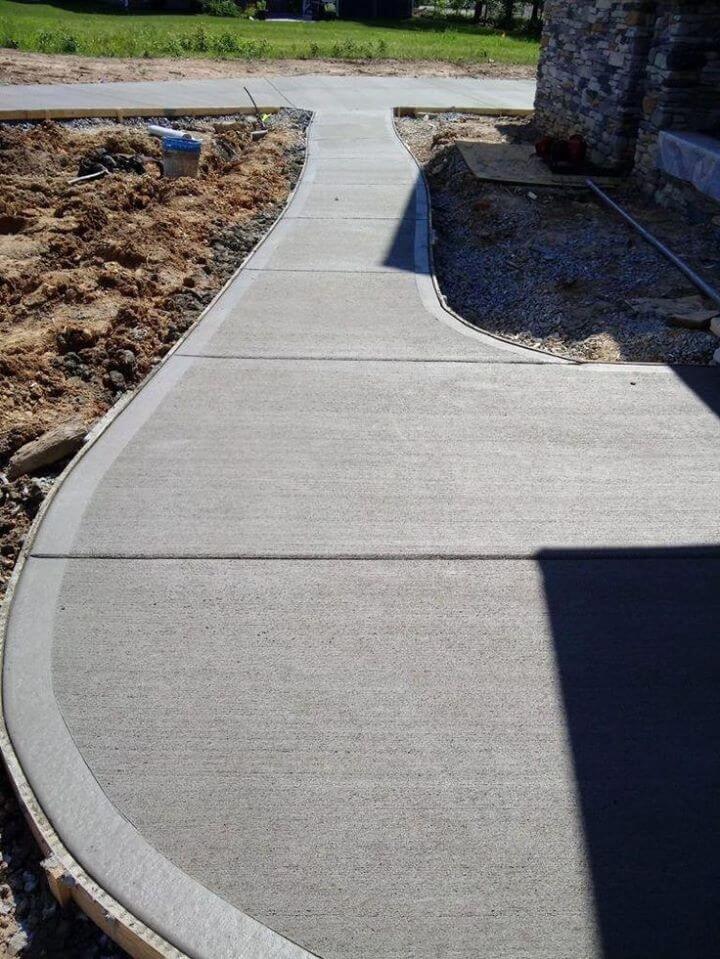
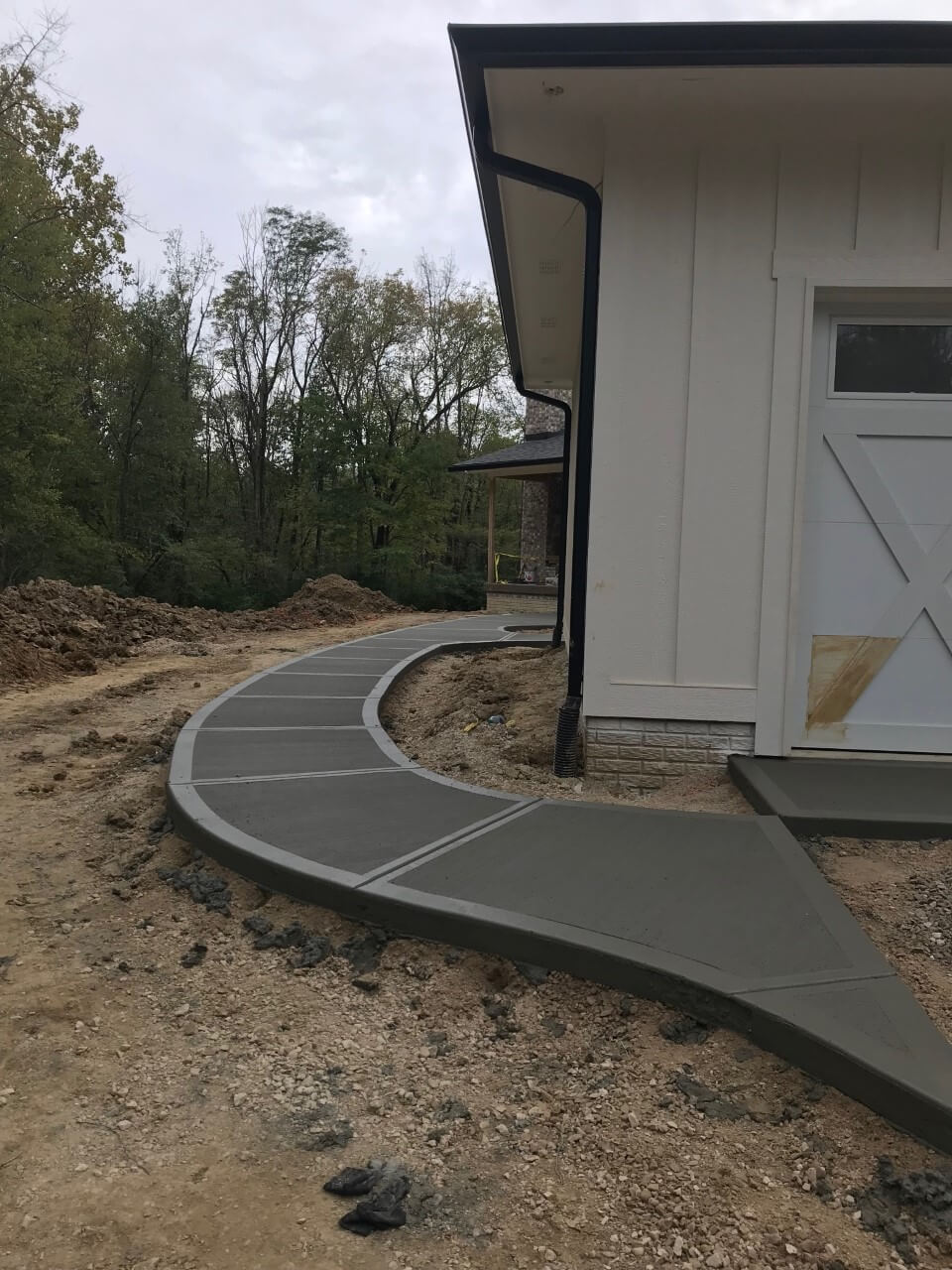
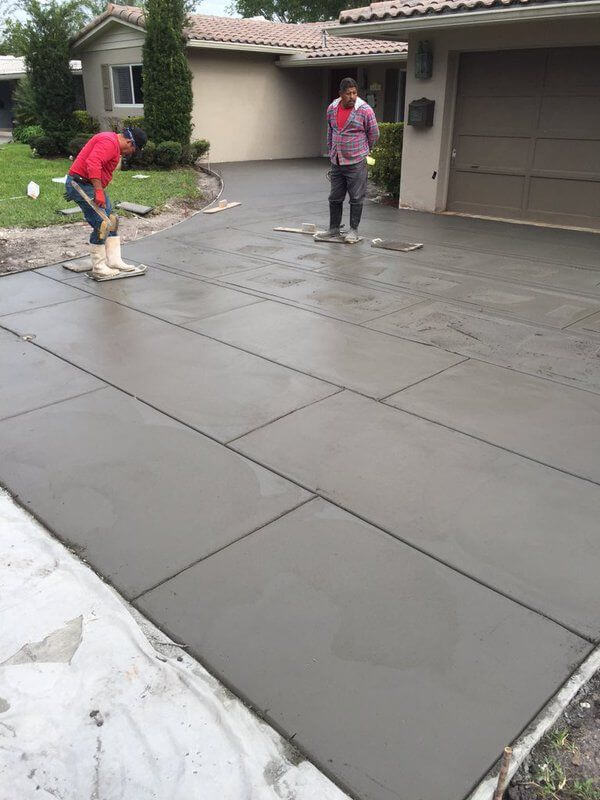
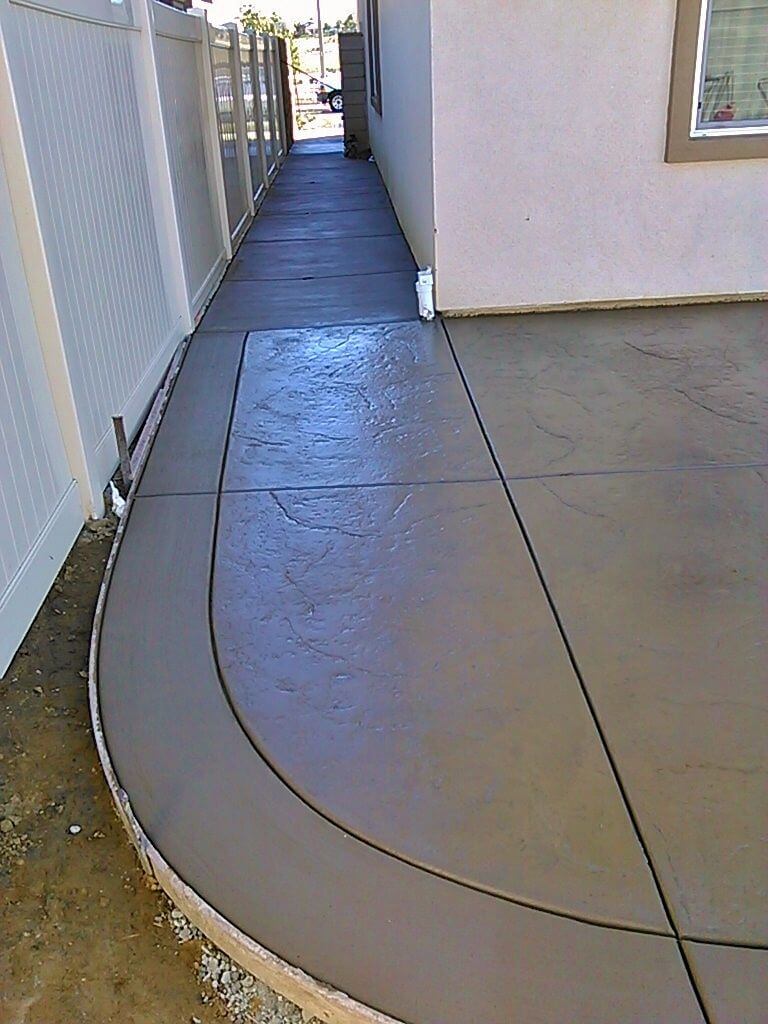
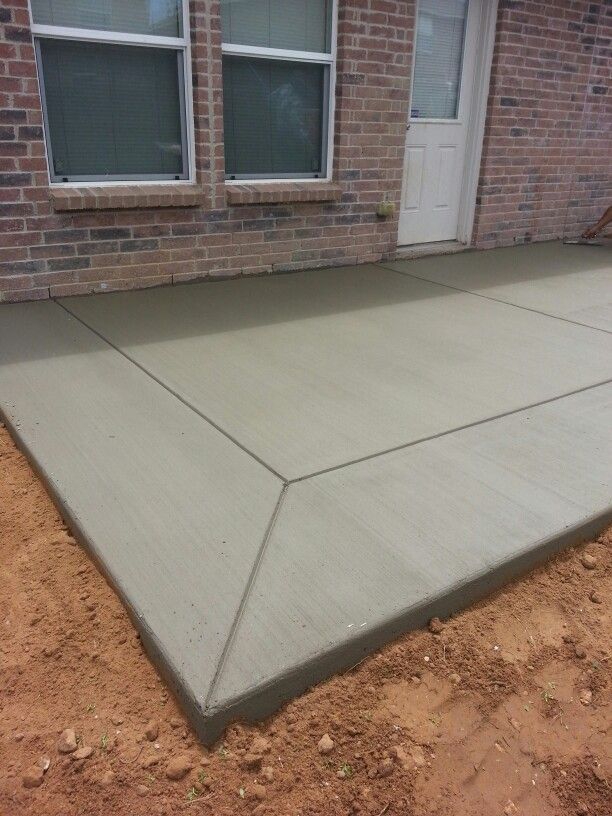
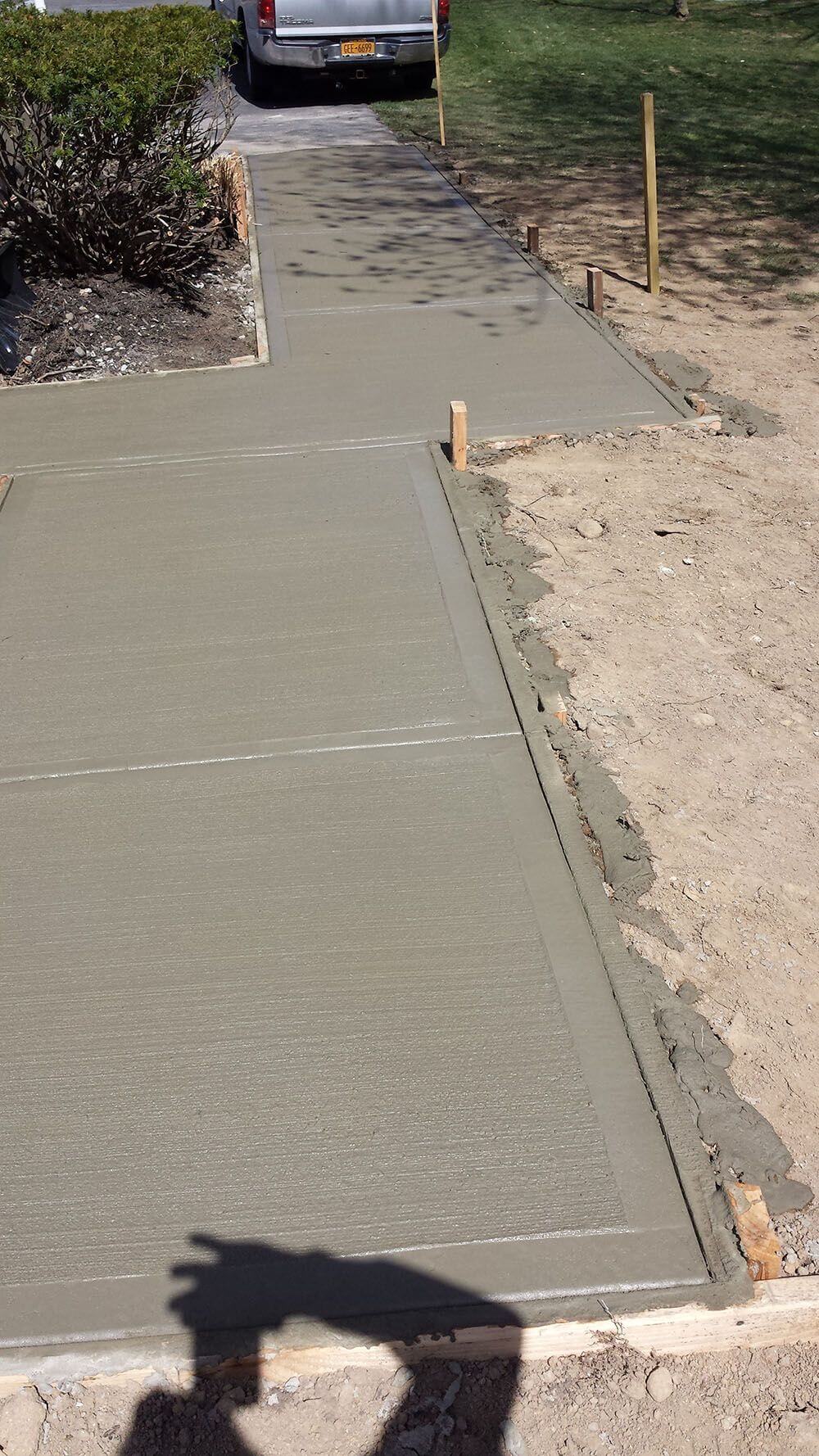
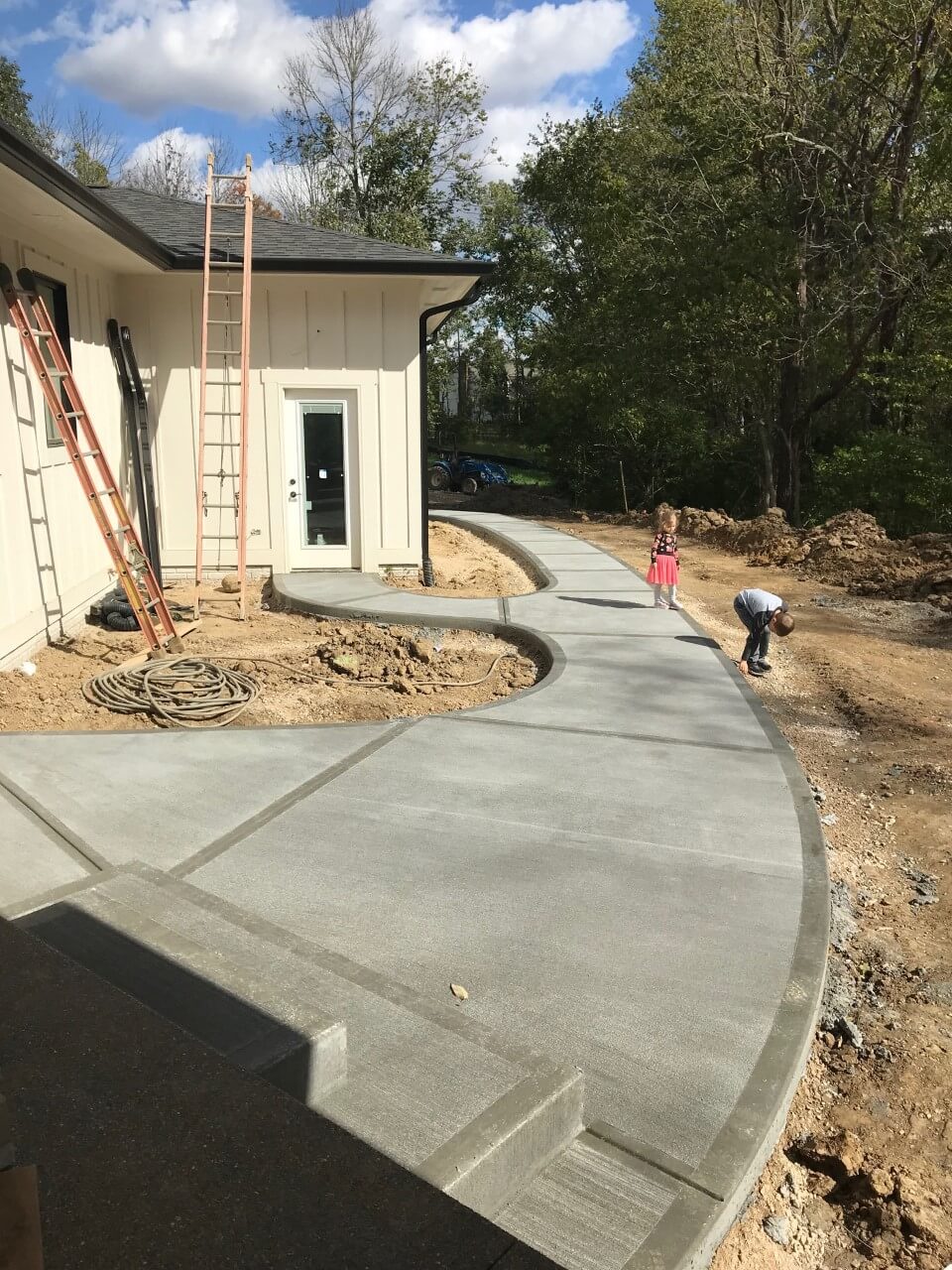
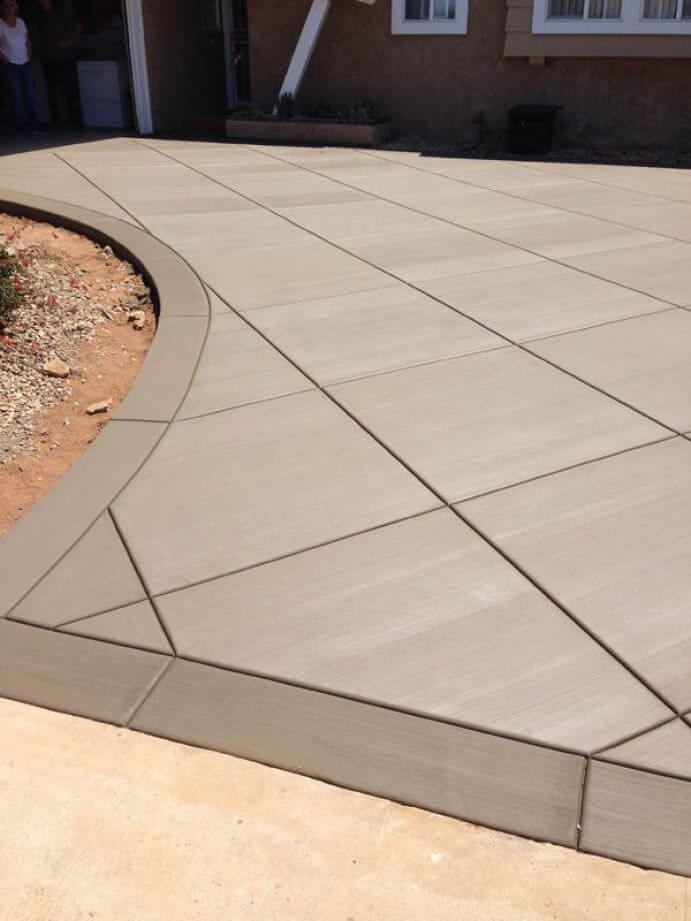
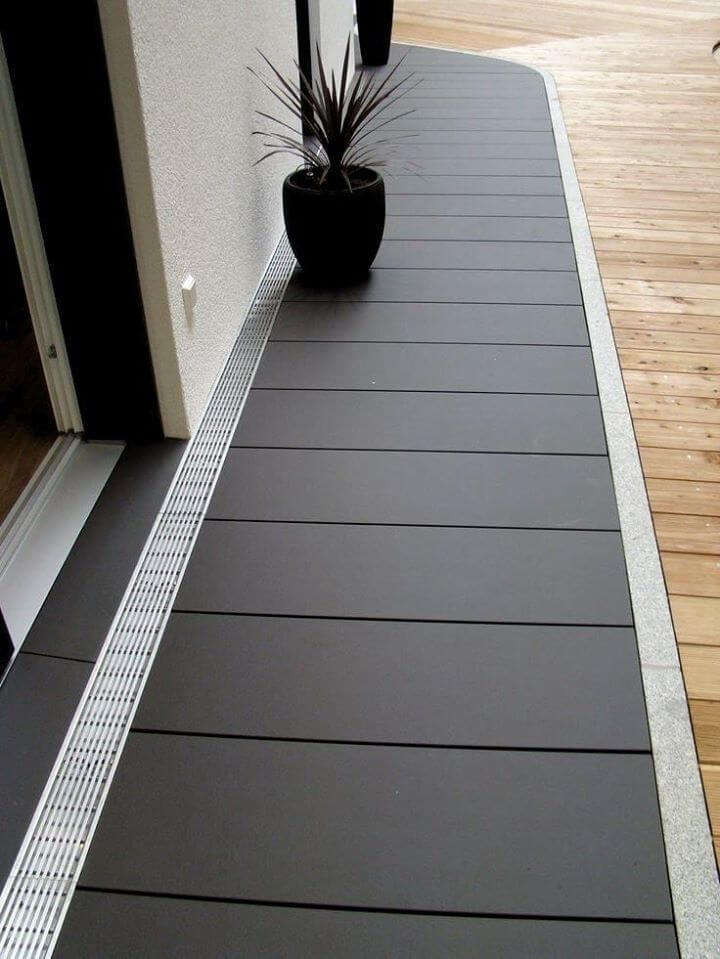
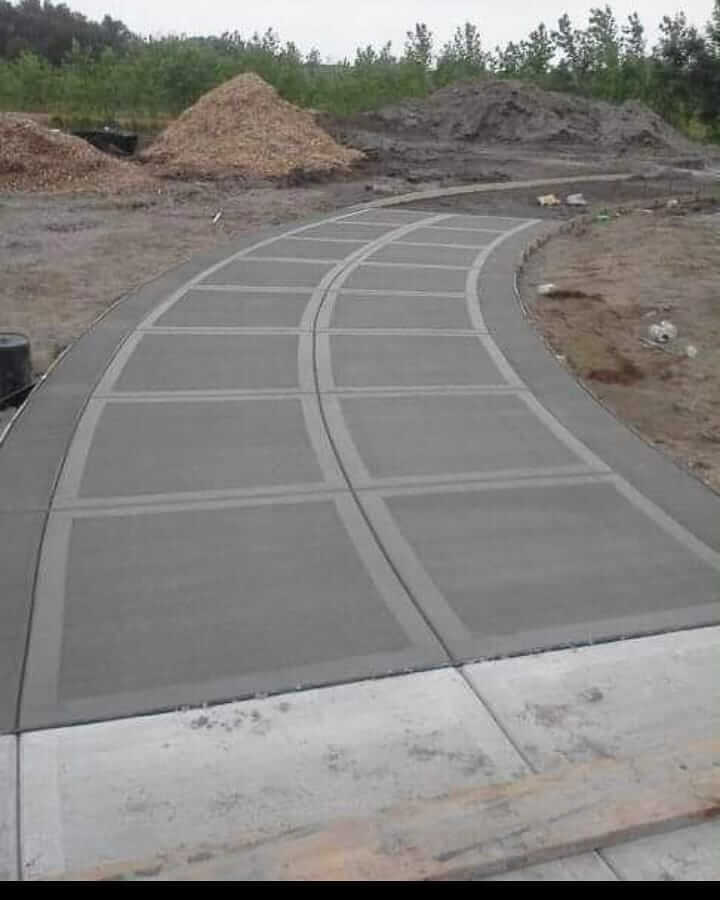
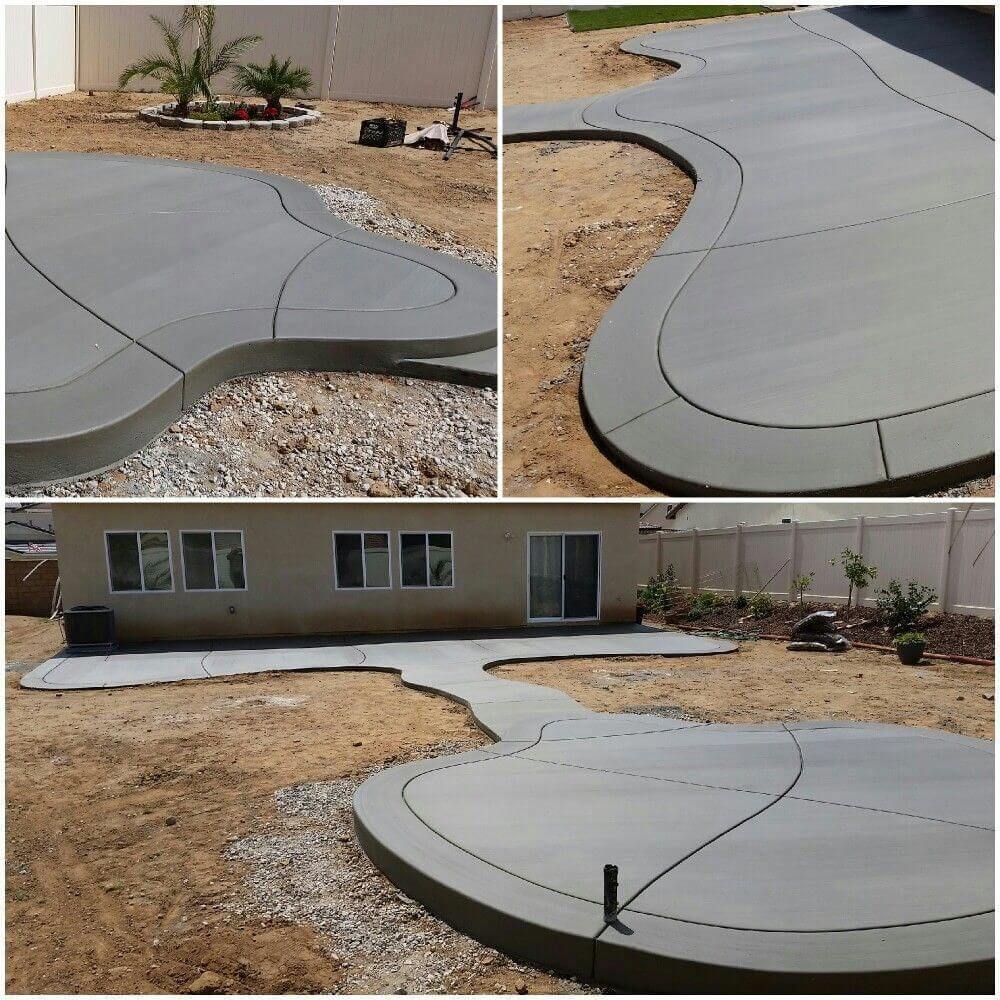
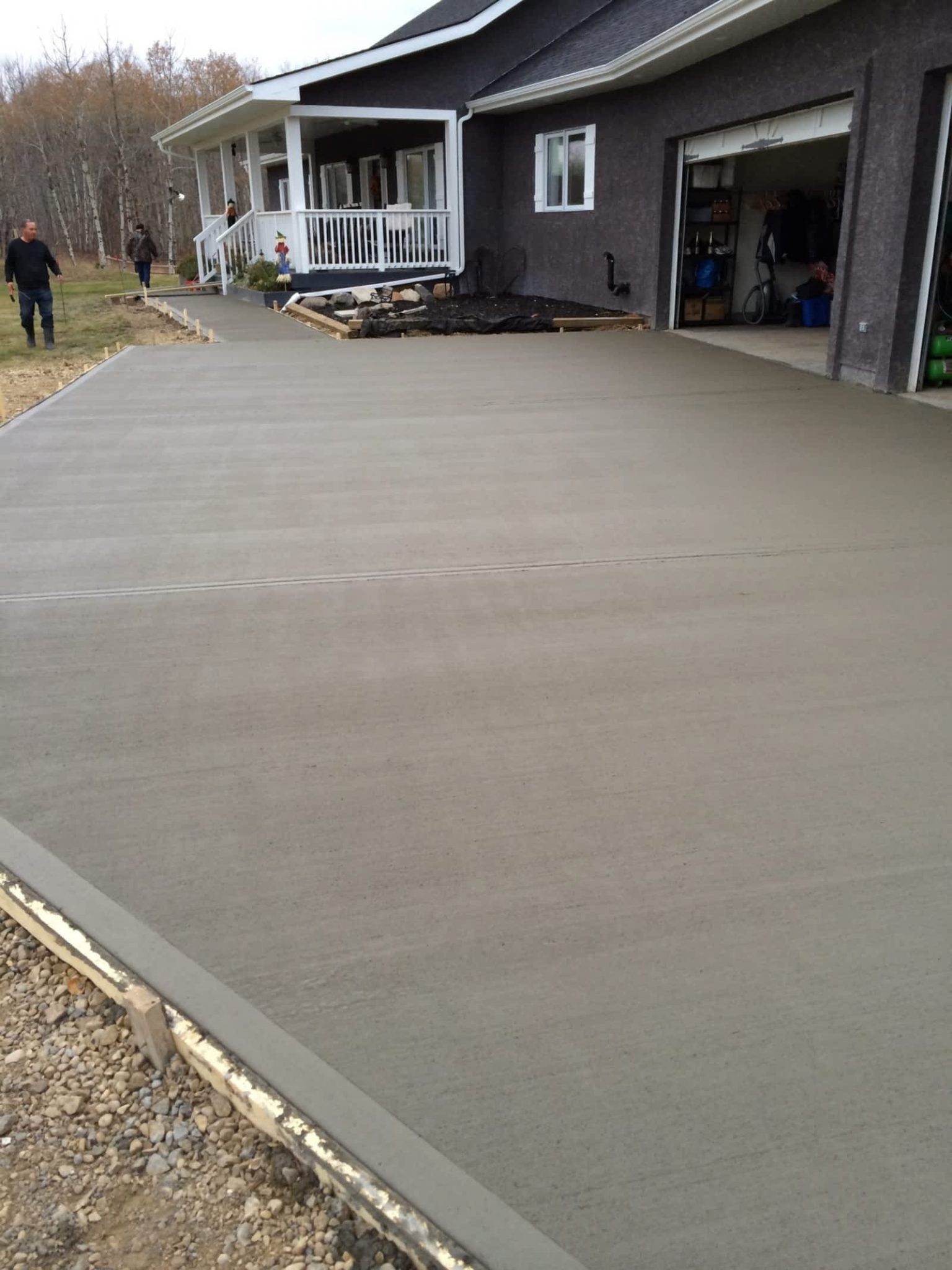
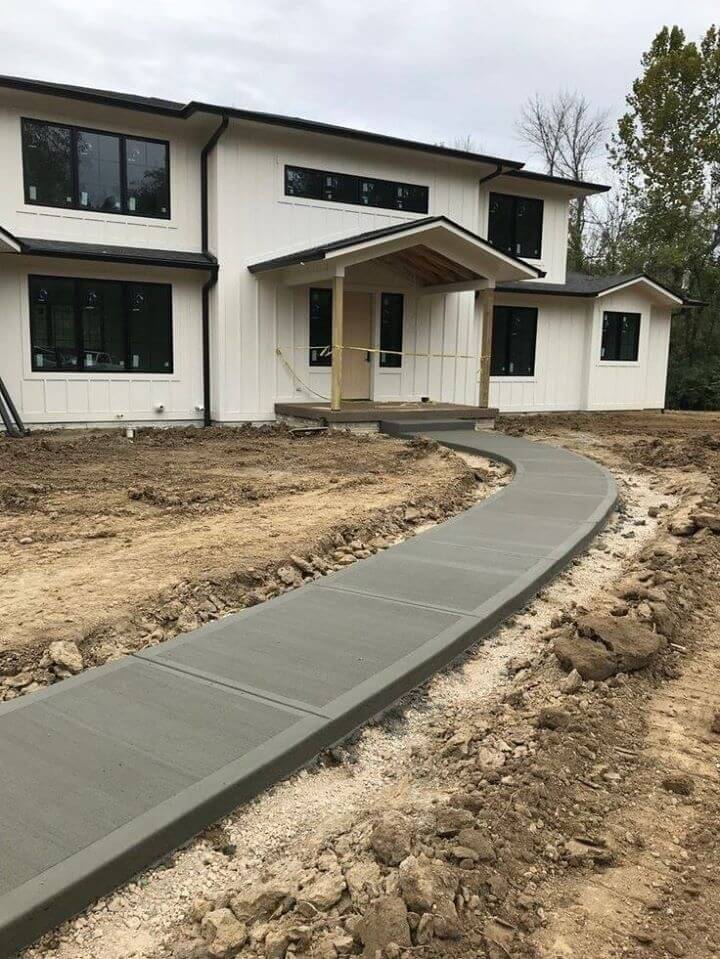
Concrete is one of the most versatile building and paving materials in existence but, for a long time, it was also sadly limited in terms of style and appearance. In recent years, however, there has been a huge proliferation of new decorative concrete finishes, ranging from affordable (but glamorous) to high-end with trendy effects. The goal of decorative concrete finishes is to give the plain material or existing style a total makeover, delivering a beautiful new space without the cost of replacing the concrete. Here are some of the concrete finishing decorative ideas.
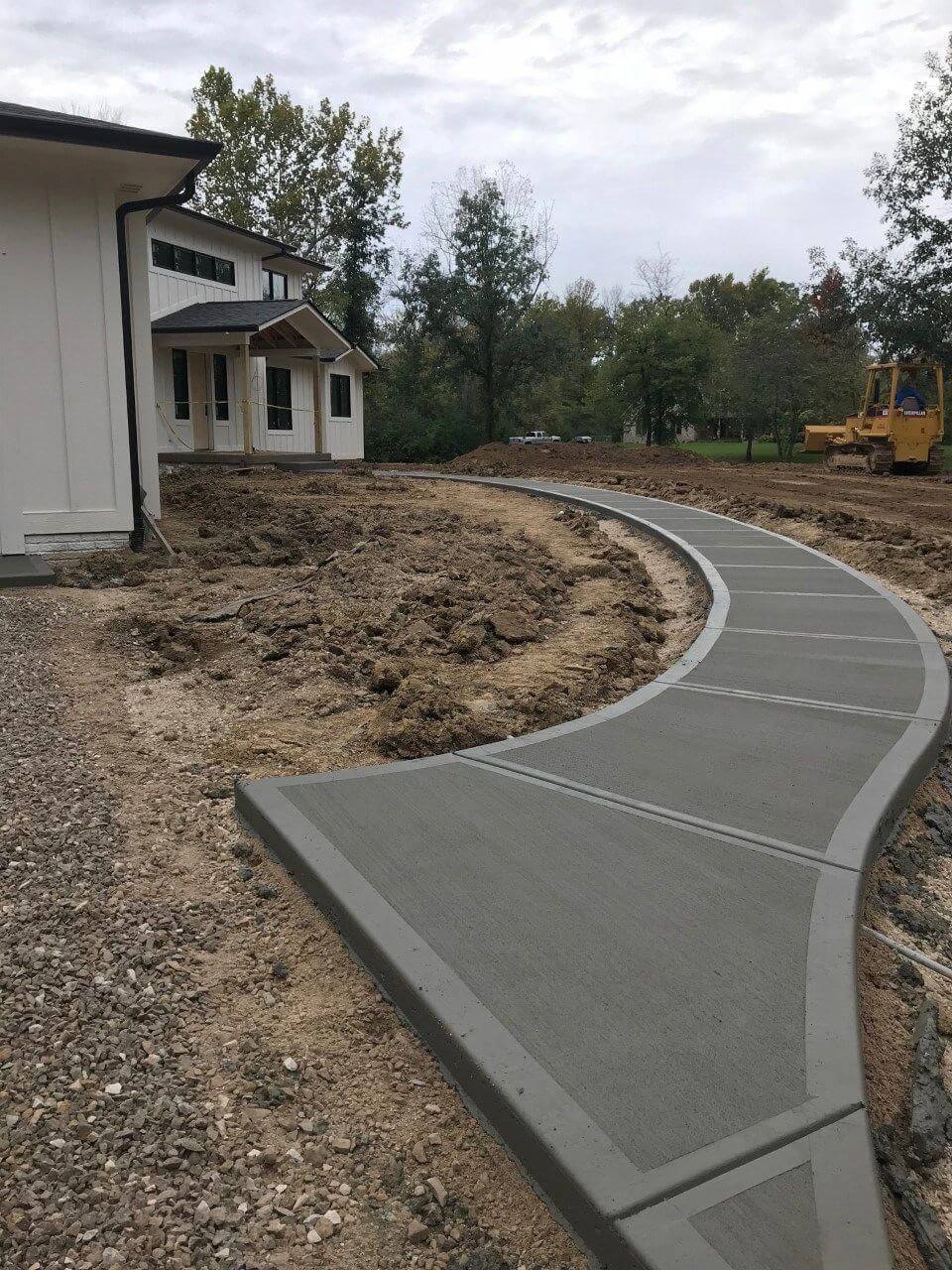
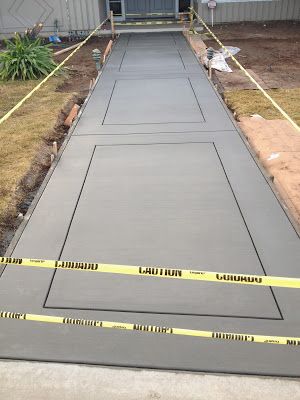
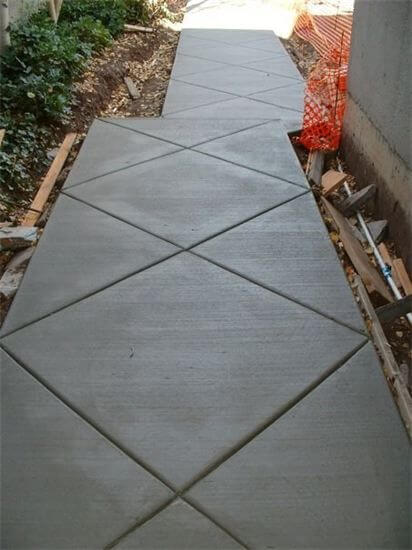
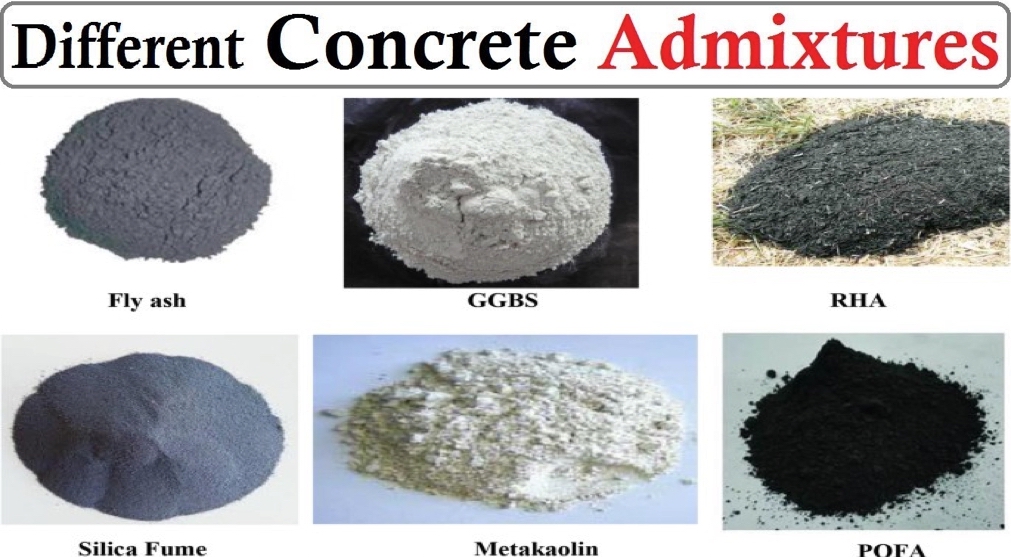
Use of additives in concrete for a long time, construction has not been understood without concrete, undoubtedly one of the reference materials. But behind something as ‘simple’ such as concrete, there are many secrets. For example, just as construction needs this material, concrete itself needs the help of additives for many years to be able to adapt to any project that is put ahead.
As with food, concrete admixtures are used to modify its basic properties, adding properties that it does not have on its own, to obtain a mixture that is much better adapted to the project you want to undertake. Although it may seem so, the use of additives is not something modern: in its own way, they have already been used since the mid-1950s.
What can be highlighted about the existence and use of admixtures for concrete?
They can be organic or inorganic in nature, created artificially.
They are always added before mixing and the proportion used can never exceed 5% of their weight.
They have different capacities and that is why there are a large number of additives, although the most used are those that modify the setting process to adapt to specific circumstances.
TYPES OF ADDITIVES FOR PREFABRICATED CONCRETE
Accelerating, retarding, water-repellent, antibacterial, or even with coloring properties, the additives serve, above all, to optimize different resources both on-site, in the factory, or throughout the useful life of the construction carried out. In this way, they help in their own way to meet the inalienable goal of construction sustainability.
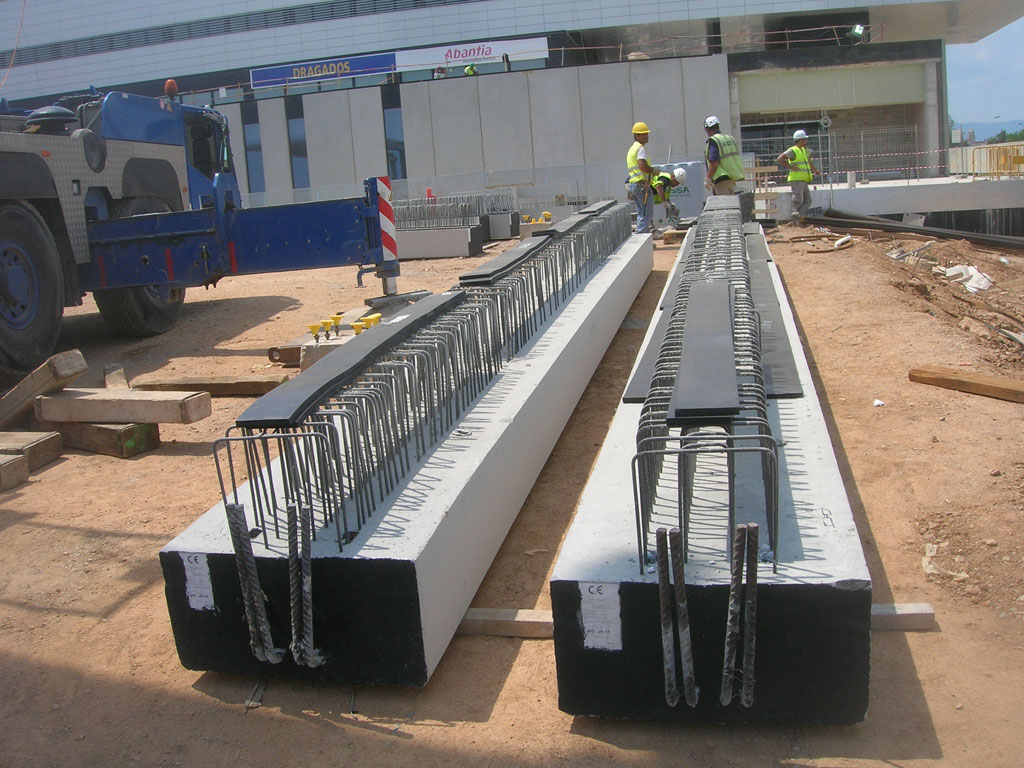
In the specific case of precast concrete, all the parts and the aids provided by additives always serve the same benefit: achieving more efficient processes, reducing the energy used, and optimizing the use of materials without sacrificing higher performance. quality, as this additive specialist company, stands out.
SOME PRACTICAL EXAMPLES
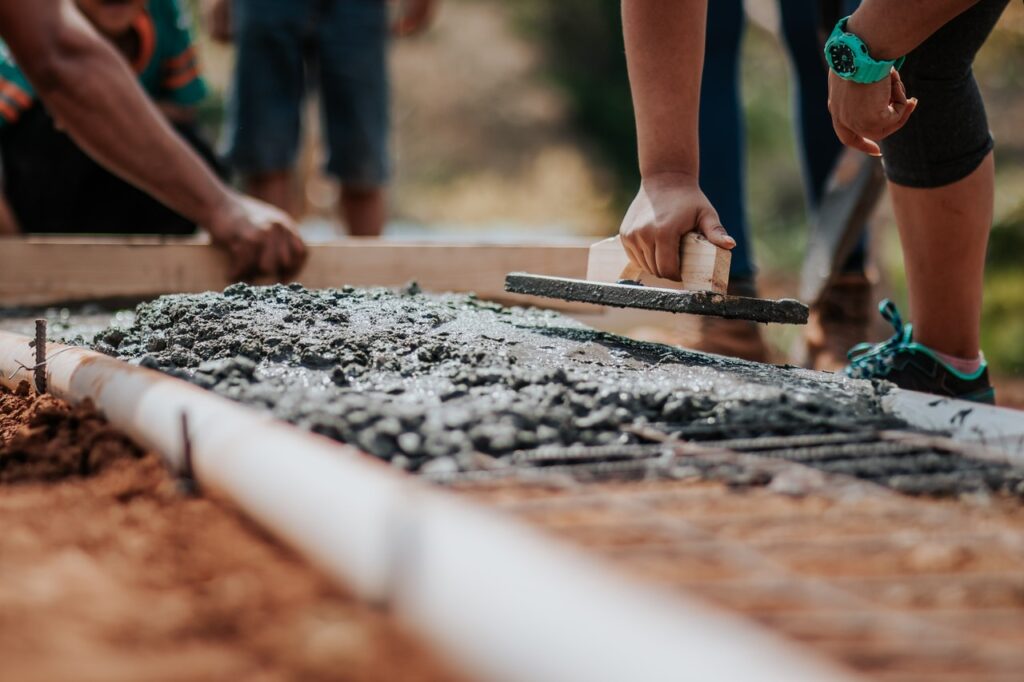
Setting accelerators, for example, are common in the production of precast concrete and, as their name indicates (which does not leave much room for a surprise), they reduce the time it takes for concrete to set by increasing, among other variables, its speed. hydration. The opposite work is achieved with retarders, which delay the start of this process while maintaining their “docility” for longer. However, set retarders are more recommended for mass or pumped concrete, but are not typically used in precast elements.
What other important details can be highlighted about the accelerators?
They allow rapid progress of the work and even the transport of the parts that are generated in the factory.
A significant reduction in the waste generated is generated, an external one directly linked to the sustainability criteria.
Another very famous additive is the super plasticizer, which has the fundamental objective of improving the life cycle of those it builds thanks to its use. The name, again, already reveals some details without the need for great knowledge: it manages to increase plasticity, allows rapid release of prestressing, and reduces the amount of water used for mixing.
This super plasticizer additive from Base, specific for precast, has a long list of advantages, but some are as relevant as that “improves the impermeability and durability of concrete” because it reduces its porosity; In addition, it reduces curing cycles and allows the manufacture of low-temperature concrete.
On the other hand, the use of additives that allow the inclusion of air in the concrete facilitates the intentional retention of microscopic air bubbles. The process to form these bubbles is really technical, but it is worth detailing that the final objective is to optimize the concrete life most efficiently, especially against freezing and thawing, as well as against the action of salts and sulfates.
WHAT IF THE CONCRETE HAS TO BE COLORED?
Well then, the best thing to do is to use coloring additives that allow this material to be adapted to what the project requires. Thanks to these additives we have a compelling reason to say that concrete is not just a gray matter.
In works with precast, the external appearance is essential. We talk about covers, for example. So, if the intention is to provide a different color than usual, “we will have to use colorants or pigments. These additives are powders generally made up of metal oxides”,
]]>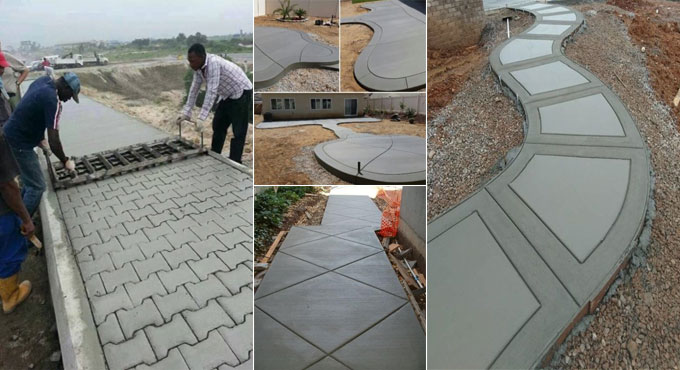
Concrete is among the highly useful paving as well as building materials currently, however for a while it was even unfortunately restricted in regards to design as well as look. In the past few years, though, there has been a massive spread of novel attractive concrete designs, going from reasonable (although fashionable) to top-notch with cool designs.
The objective of attractive concrete designs is to provide the natural material or prevailing style a complete restyling, bringing an attractive novel area exclusive of the outlay of changing the concrete.
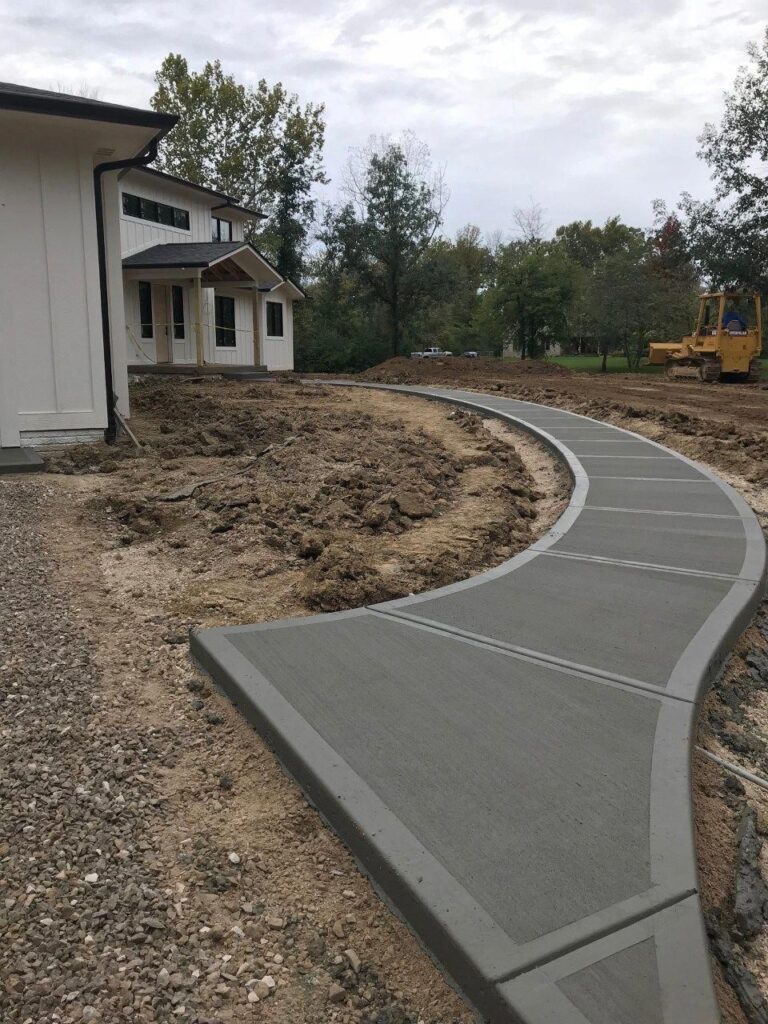
Concrete designs are among the sizzling latest styles for concrete floors, concrete patios, countertops, pool decks, entrances/entryways, etc. From spacious new places to live/houses having elegant concrete sidewalks/driveways to reasonable single room redesigns exhibiting a fabulous, colored concrete floor, the fascination is persisting to rise in respect of utilizing concrete in terms of beautifying.
Furthermore, concrete is no more simple, grey as well as common; it is currently referred to as an attractive and magnificent component.
Nowadays, designers, constructors, as well as home owners understand the significance in utilizing concrete in their plans as well as designs. Moreover, decorative concrete renovates conventional grey concrete into pleasant brown floors, magnificent late patios, as well as weather resistant exterior kitchen countertops, as examples.
Decorative cement concrete allows one to choose which shade of red will provide one with that Spanish tile appearance on one’s poolside terrace just about half the outlay, as well as what special souvenirs one would wish to set in one’s novel concrete countertop kitchen island.
The developments in concrete stains, concrete tools as well textures, designs as well as colors created concrete the highly useful, long-lasting as well as economical material in the marketplace.
One can obtain a hint of in what way/how custom decorative concrete could be utilized in one’s office or house. Also, one can gain comprehensive information on each characteristic comprising stamped concrete, colored concrete, stenciled concrete, painted concrete, etc.
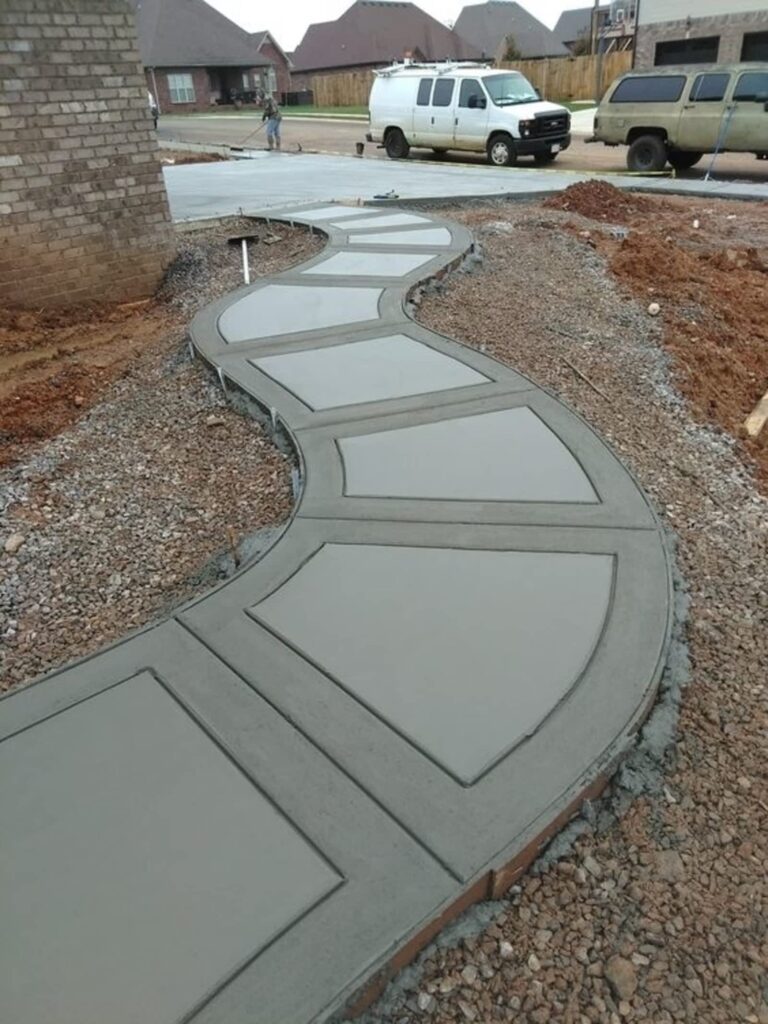
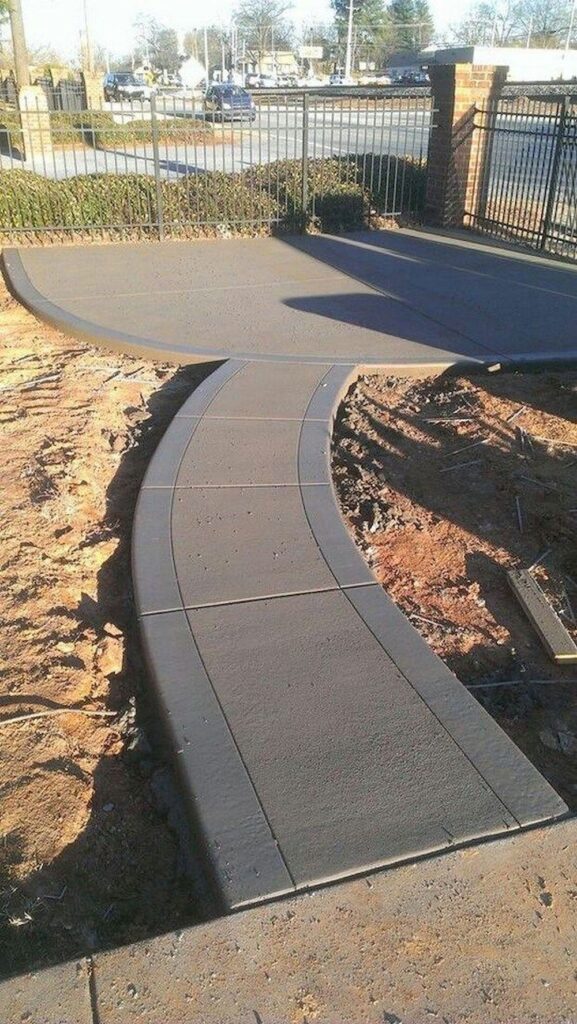
However, one must think about the following design aspects before choosing the decorative concrete’s material that one plans to utilize in one’s home.
- Polish Design/Finish
- Shade/Color
- Stamp Style/Design/Look
- Exposed Aggregate Concrete Design/Exposed Aggregate Style/Design/Look
- Stain Style/Design/Look
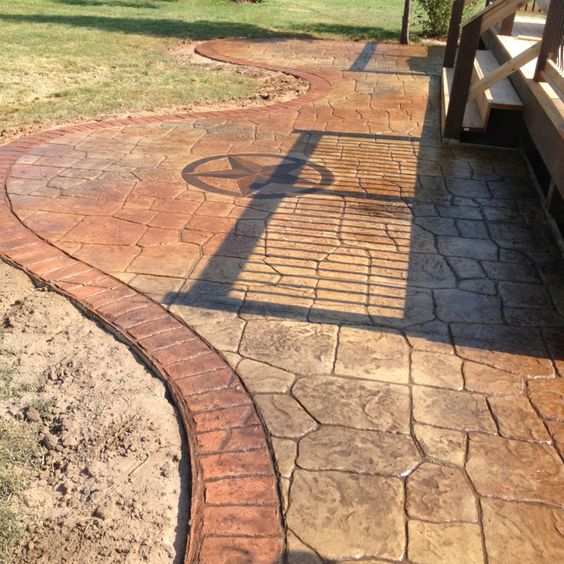
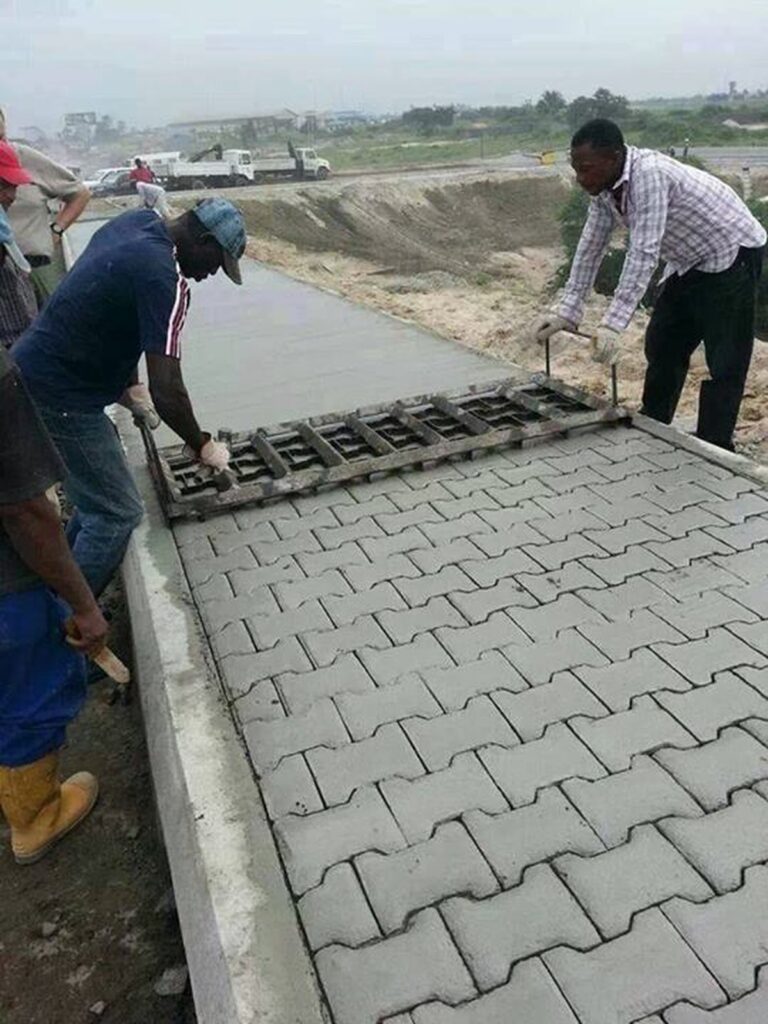
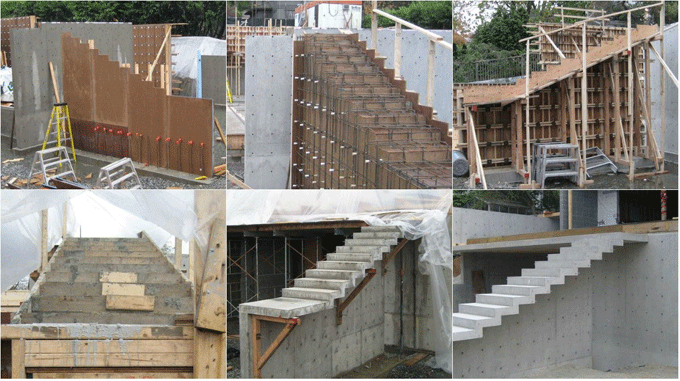
The construction of concrete stairs is based on the following steps :-
1. Designing of Concrete Stairs: While making the design of stairs, sound knowledge is necessary regarding the design aspects and site study. The different types of factors are liable for creating the design of stairs which range from height of the floor, width of the stairs, risers depth, thread width, thickness of the stairs, angle of the stairs, load enforced on the stairs and several other factors which need the guidance of an expert engineer to make the design of a proper stairs.
2. Foundation and Support for Concrete Stairs: The concrete stairs are supported on the foundation and it should be developed perfectly to transmit the loads of the stairs to the ground properly as well as to withstand the movement of stairs.
If the plinth beam of building exists at the beginning of the stairs, then the reinforcement steels bars are attached to them to transmit the loads. If there is no plinth beam, then a small concrete foundation or size stone masonry is built up.
Support should be provided to the stairs located at the top that controls the movement of stairs. The support is generally given to the roof beam or slab.
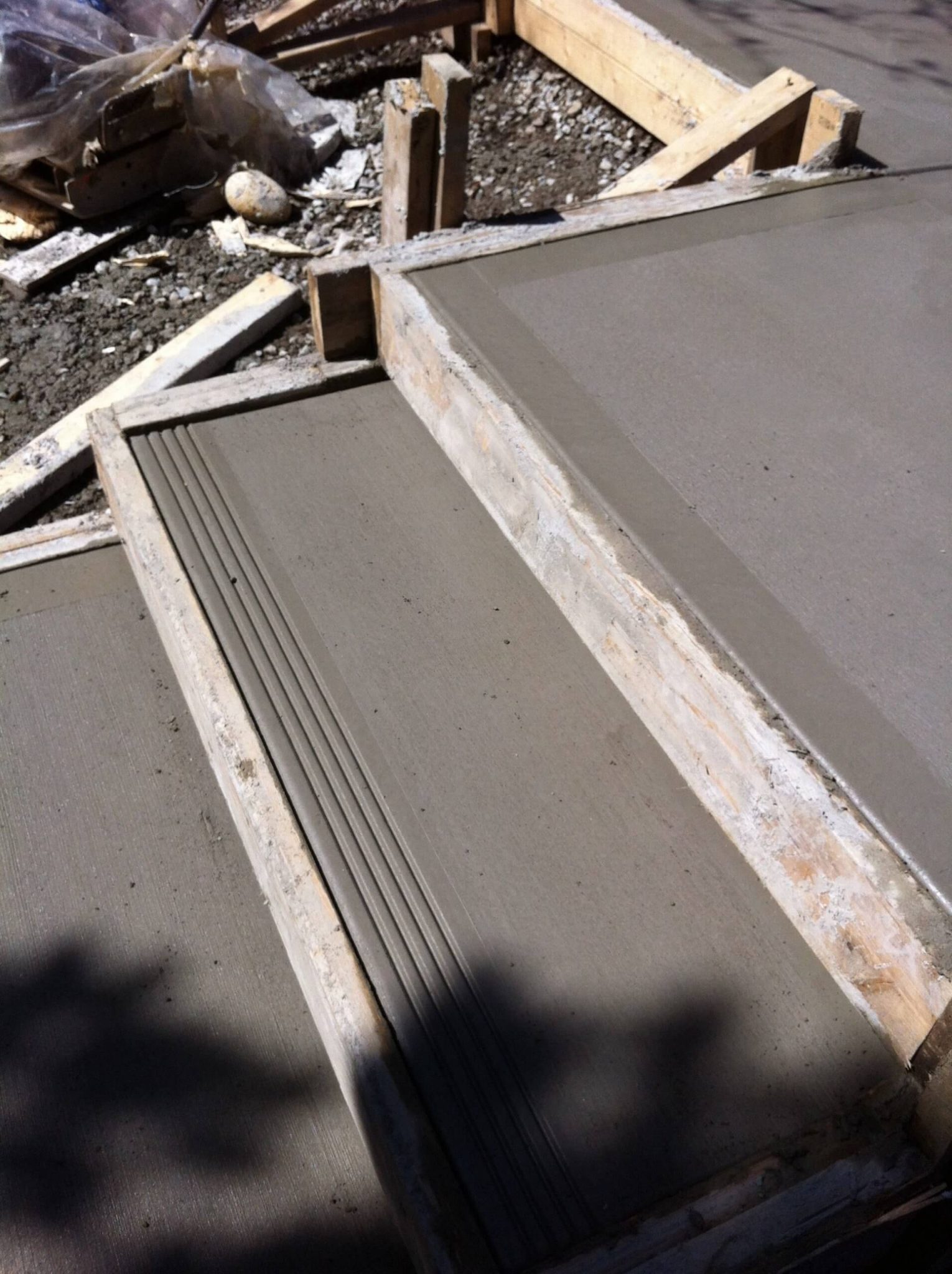
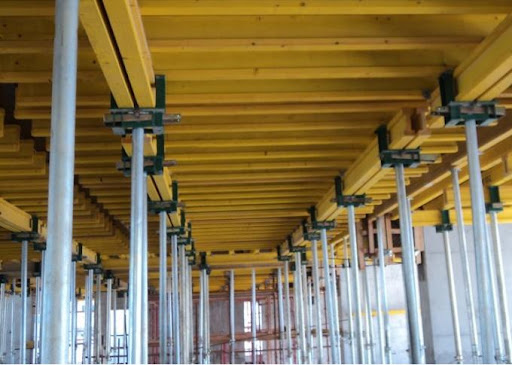
3. Building the Form-work for Concrete Stairs: While developing the concrete stairs, the most crucial step will be applying an appropriate formwork. In this regard, proper care should be taken for evaluating the angle of flight, dimensions of thread and riser. Normally, at the time of building up a stairs attached to wall, the line of flight , thread and risers should be marked on the wall for settling of shuttering or formwork.
The boards should be minimum 2” thick to bear the weight of the concrete. The entire structure of the form should be supported with 4×4 posts. The wooden boards are utilized to form the steps and are tied with various screws to the lateral structure of the formwork.
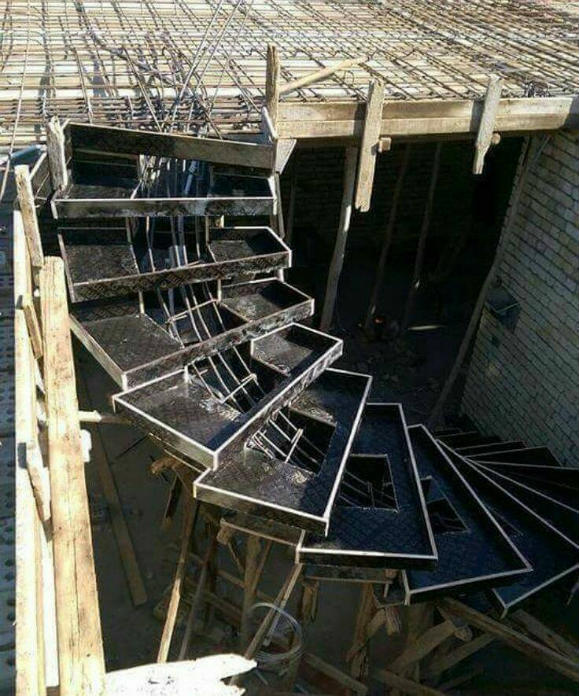
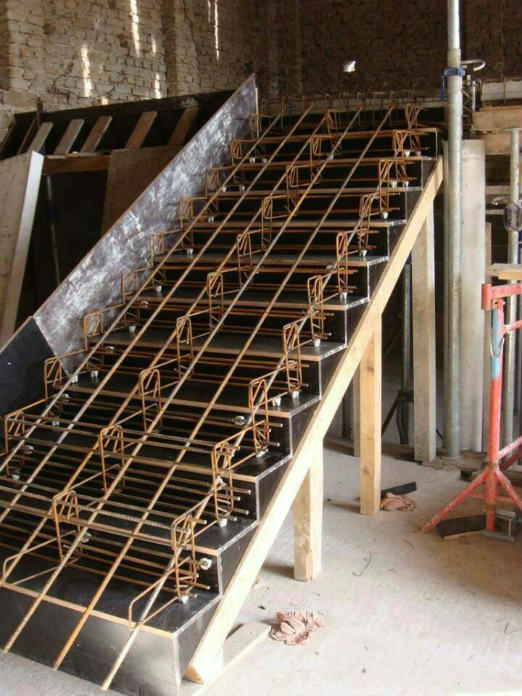
4. Steel Reinforcement for Concrete Stairs: The concrete steps should be reinforced with steel bars in order that it bears the loads directed to the stairs and transmit them to the ground. The number of steel bars and size of the bars should be measured with a structural engineers based on the loads directing to the stairs.
These steel reinforcement bars are arranged in the formwork with minimum 25 mm spacing and fixed together.
5. Pouring of Concrete for Concrete Stairs: Pouring of concrete into the formworks begin from the below section to above. The concrete mix is vital for maintaining the strength and stability of stairs. Standard mix applied for stairs involves 3 parts cement, 2 parts sand, 4 parts gravel and water.
It will be better to employ a concrete vibrator at the time of pouring the concrete to totally fill the gaps of the stairs and to get rid of the honeycomb development.
This work should be performed cautiously since any abrupt movements can hamper the alignment of the formworks or even breakdown the formwork. It will be useful to pour the concrete ceiling and stairs in the similar day in order that a stable bond is created among these components.
6. Removal of Formwork: The stairs need minimum of 21 days to dehydrate fully, so the deposition of formwork can be performed only after 21days. In these 21 days exact curing should be undertaken to get rid of the cracks in stairs because of thermal expansion.
]]>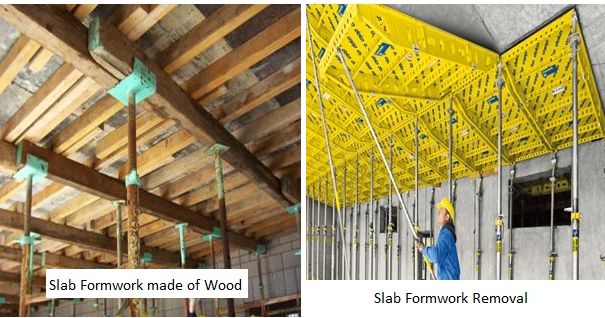
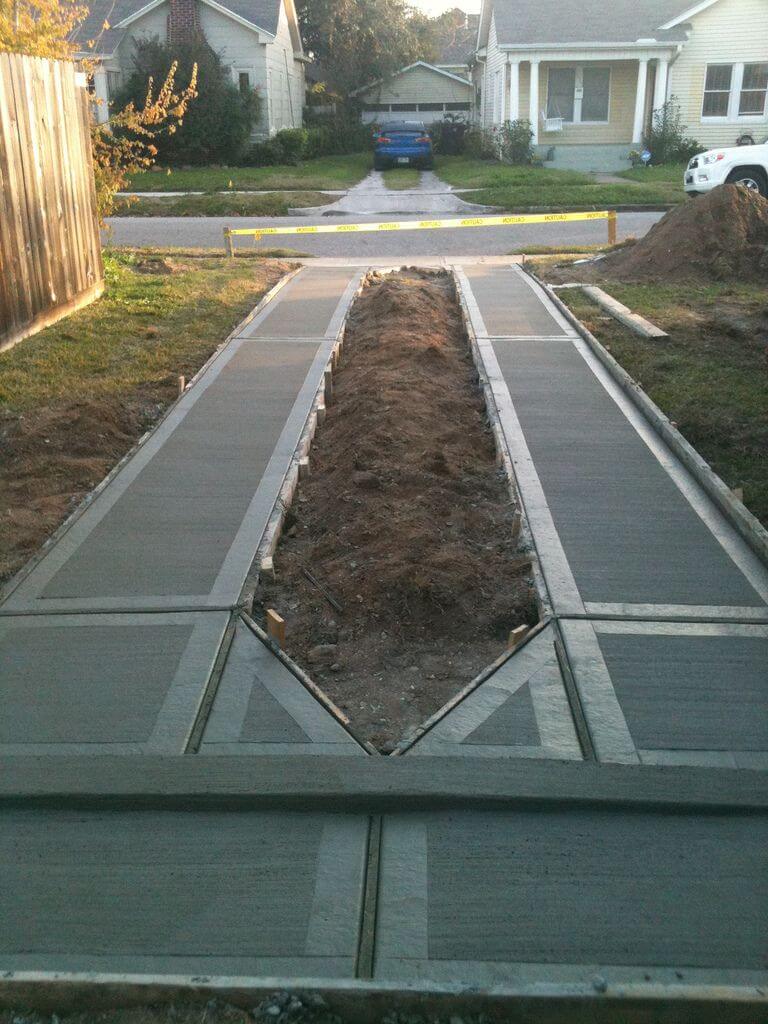
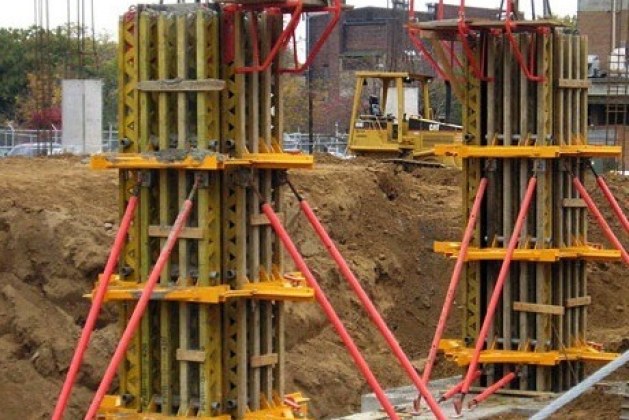
Formwork are temporary structures (moulds) used at site usually to maintain the shape of the structural members like slab, beam, column and to help placing the concrete in desired form.
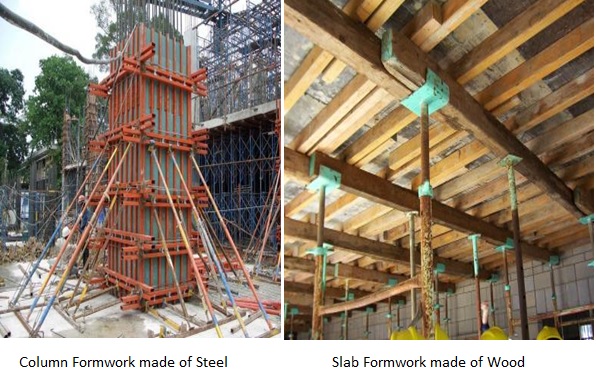
Formwork can be made of plywood, steel or timber based on the need and site conditions. It is usually removed after the primary hardening of concrete poured. But the removal of formwork should be done with extreme caution, not to damage the structural members.
Factors Affecting Removal Time of Formwork
The removal time of formworks is affected by various factors like
- Type of concrete used: There are many concrete types available and the based on the materials (e.g. cement, mineral admixtures) used their hardening time can vary, for example the formworks can be removed soon if rapid hardening cement is used in the concrete.
- Quality of materials used: If high quality materials are used especially if cement and mineral admixtures like silica fume are of good quality then the concrete attains early strength quickly, thus formworks can be removed soon.
- The temperature at site: This plays an important role influencing the setting time of concrete and also the strength development. The formwork removal time is more in cold weather and it is less in hot weather concreting.
- Curing: The type of curing and the rate at which it is done influences the development of strength in concrete, for instance if steam curing is used the strength development rate in concrete is rapid thus formwork removal time required will be less.
- Exposure condition: severe exposure conditions can result in slow development of strength in concrete thus delaying the formwork removal time.
In addition to the above factors there is another important criteria which is based on the stresses and load applied on the concrete while removal, thus the formwork removal can be done only after the concrete attains considerable strength approximately twice the load implied during removal.
The type of structural members is also taken into account during the formwork removal. For slabs and beams which carry its own self weight and also the live load in the building, more time is required to remove the formwork and also the formwork should be removed carefully so as to not cause any damage to the member.
Time for Removal of Formwork
In normal circumstances (generally where temperature is above 200C), and where ordinary cement is used, forms may be struck after expiry of following periods depending upon the type of structural member
As already mentioned you can see the formwork removal time for beams and slabs is more comparatively. The above mentioned time varies based on the type of cement used.
| S.No | Structural Member | Time of Removal |
| 1 | Walls, columns and vertical sides of beam | 24-48 hours |
| 2 | Slabs ( props left under) | 3 days |
| 3 | Beam soffits (props left under) | 7 days |
| 4 | Removal of props to slabs · Span<= 4.5m · Span > 4.5m | · 7 days· 14 days |
| 5 | Removal of props to beams and arches · Span<=6m · Span >6m | · 14 days· 21 days |
How to Properly Remove the Formwork
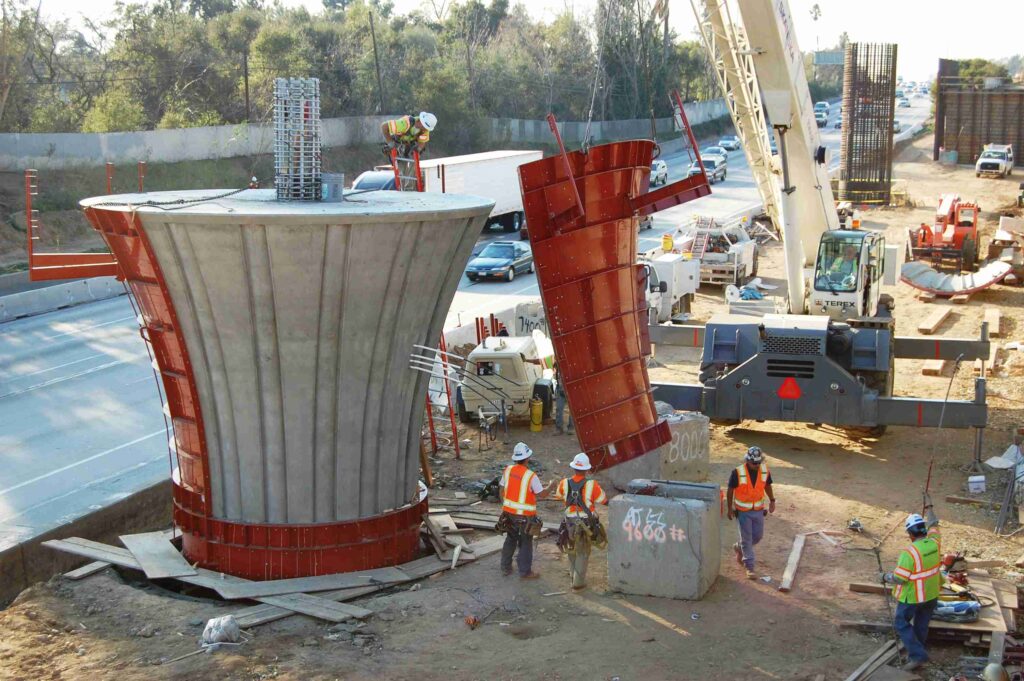
The formwork removal is one of the most hazardous jobs in the site. If not properly done it not only affects the structure but also can result in high risk for the labours working at site. Thus the following points must be kept in mind during formwork removal
- Proper tests are conducted (mostly NDT) to determine the strength of concrete developed.
- The formwork of vertical members are removed first.
- The props of soffits are not removed until it is ensured to bear its own self weight and external stresses effectively.
- The crowbars are not to be inserted in the sides to remove the formwork as it can damage the edges of concrete.
- Any loose material of concrete found in the edges and corners are to be removed.
- The quality engineers should inspect the site before removal of formwork to ensure suitable conditions.
- To ensure safety of workmen, it is to be inspected weather sufficient bracings and work platforms are provides to remove the formwork at higher elevations.
Thus from the above data we can understand the importance of removal of formwork in time with necessary precautions to be taken care at the site.
Concrete contractors are the most important peoples in most construction works. Cement make from pure wood and glass create some sustainable structures, most commercial and industrial buildings. This article will dive into the basics, importance, and advantages of different cement types used in the construction industry.
Define Concrete
Concrete is a main element and a vitally important thing use in several individual and commercial buildings. It solidifies and hardens after water mixing and placement due to a chemical process known as hydration. It binds other building materials together. It is an extensively used material in the construction process and makes by mixing aggregate, cement, small stones, sand, gravel, and water.
The Romans invented hydraulic cement-based concrete. The British enhanced upon it and popularized it in the modern world. The Pantheon in Rome is one of the finest Roman architecture that has survived to this day and has a 42-meter-diameter poured concrete dome.
Uses of Cement in Construction
Cement is probably the most used in materials made by man. Concrete makes:
a) Pavements
b) Architectural structures
c) Foundations
d) Motorways
e) Roads and bridges
f) Overpasses
g) Parking structures
h) Walls and footings for gates
i) Fences and poles
How Cement Works
The material nurtures together to form a moldable liquid into a hard, rigid solid. Concrete has become a modern life fact in the world today. Six billion concrete tons are used around the world each year. The sand addition, fine aggregates and coarse aggregates of up to a few centimeters makes concrete. The porous material properties depend on its different pre space kinds. Air voids entrapped in the mixing process. The capillary pores are spaces occupied by water from mixing.
Concrete has compressible force related to the overall cement paste porosity and the amount and the aggregates form.
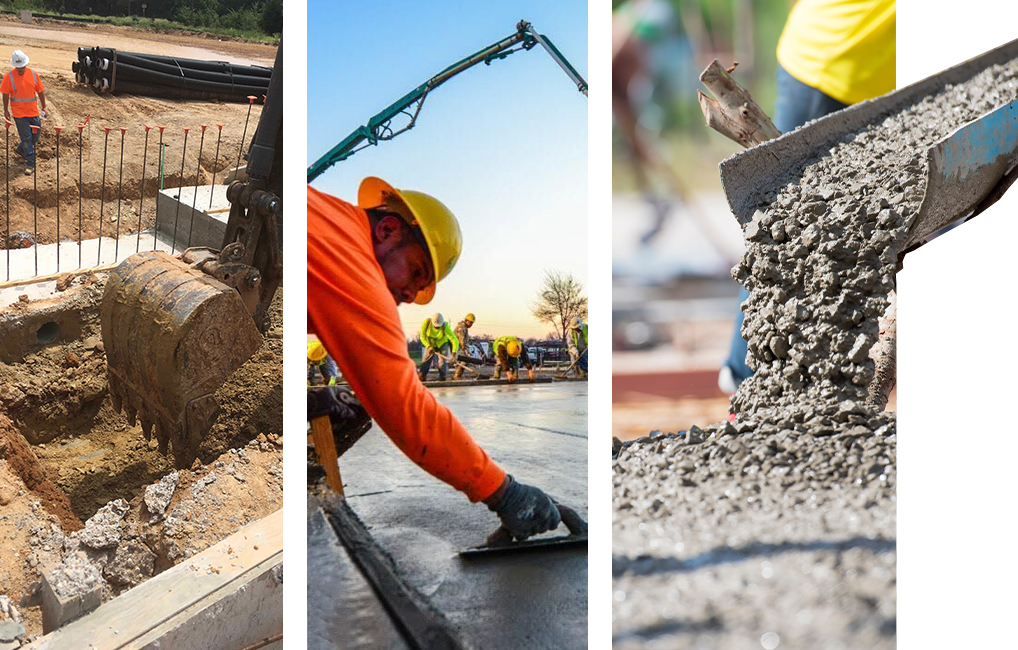
Cement in Today’s Construction
Concrete in the present infrastructure is deteriorating at a rapid pace due to the reinforcing steel corrosion is coming from the inclusion of chloride and other ions from road salts, marine areas and ground soils.
Nowadays, the focus is on the transport concrete aspect includes diffusivity, permeability, and absorption. Complex composite like concrete needs improvement, monitoring, and control.
The amount of water in the mix compares with the amount of cement called the water/cement ratio. The water-cement ratio has to be lower to create strong concrete. It has higher strength and less permeability. The qualities expected of its resistance to freezing and thawing and deicing chemicals, water-tightness, low permeability, wear resistance, and formidable weight.
Admixtures are additions to the mix which use to achieve exact goals. When admixture accelerator adds to concrete, they reduce the concrete and accelerate strength setting time. The reduction amount in setting time varies. Retarding admixtures generally use in hot weather conditions to delay setting time. The Fly ash use to reduce the heat generated by the concrete.
Advantages of Using Concrete in Construction
Concrete most widely uses due to its exclusive profit compared to other materials. Ten concrete significant advantages explain
1) Economical Concrete: Cement concrete contrast to engineered cementations materials used for construction, the cement concrete’s production cost is much low.
Plus, it is cheap and widely available around the globe than comparing to steel, polymers, and other construction materials. Major concrete ingredients are cement, water, and aggregates which are available in local markets as a cost effective material.
2) Concrete Hardens at Ambient Temperature: Concrete harden is to increase strength at room temperature or ambient temperature. Cement bonded inorganic material at low temperature. Irrespective of ambient weather conditions, concrete can use in admixtures optimization.
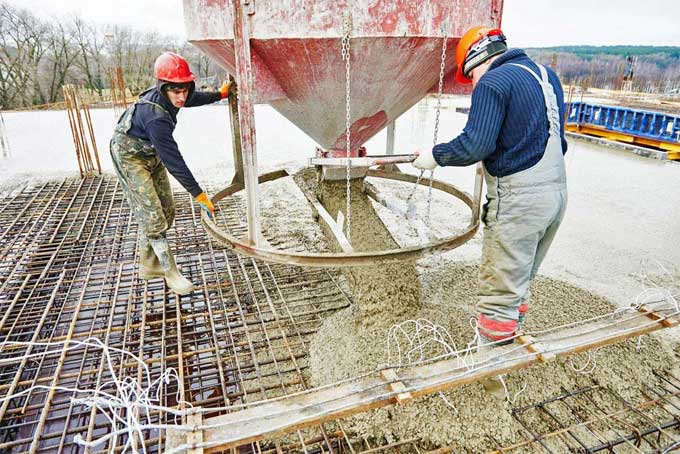
3) Ability to Cast into Shape: Fresh concrete is flow in a liquid state. Various form-works or shuttering configurations to form desired shapes and sizes at the construction site can pour into concrete. Concrete can shed into complex shapes and configurations by the mix adjusting.
4) Energy Efficiency in Production: The energy required for the concrete production is lower than steel. For plain cement concrete, only 450–750 kWh/ton energy need for reinforced concrete is 800–3200 kWh/ton. Structural production demands 8000 kWh/ton or more to make which is approximately 3-10 times the energy consumption.
5) Excellent Water Resistance Characteristics: Though chemicals in water can influence corrosion in concrete and reinforced concrete, concrete can resist water deterioration compared to wood and steel. That is reason concrete is perfect for underwater and submerged applications like for building structures, pipelines, dams, canals, linings, and waterfront structures. Pure water is harmless to concrete and not even to reinforced concrete, chemicals dissolved in water like sulfates, chlorides, and carbon dioxide causes corrosion.
6) High-temperature resistance:
• Concrete can resist higher temperatures than wood and steel. Calcium silicate hydrate is the major binder in concrete, which can resist until 910 degree centigrade.
• Concrete is a bad heat conductor that can store a considerable heat from the environment.
• Concrete can resist heat for 2–6 hours. It gives enough time for rescue operations in fire case.
7) Ability to Consume and Recycle Waste: Many industrial wastes can recycle as an alternate for cement or aggregate that includes fly ash, slag, also known as GGBFS or ground granulated blast-furnaces slag, waste glass, and even ground vehicle tires in concrete. Thus concrete manufacture can significantly reduce environmental impacts due to industrial waste. Using these wastes get better the Concrete properties as well.
8) Application in Reinforced Concrete: Concrete has a similar coefficient of thermal extension to steel.
Steel: 1.2 × 10⁻⁵
Concrete: 1.0–1.5 × 10⁻⁵’.
Concrete imparts protection to steel in corrosive environments due to the CH and other alkalis existence. Moreover, concrete contributes to reinforced concrete members and structures compressive strength.
9) Low or Zero Maintenance Required: Concrete structures do not need coating or painting for regular applications to protect weathering compared to steel or wooden Structures inevitability. The concrete’s maintenance cost is much lower than steel or wood.
10) Multi-Mode Application: Concrete’s ability used in different application methodologies like hand applied, poured, pumped, sprayed, grouted, and also used for advanced applications like shotcreting in tunnels. It gives lot of advantages to the concrete constructors.
Concrete Types
In concrete technology, a type names variety use for different concrete types. This classification base on three factors: Material type of used in its making, Nature of stress conditions, And its density.
Concrete types: Plain or Ordinary Concrete, Lightweight Concrete, High-Density Concrete, Reinforced Concrete, Precast Concrete, Pre-stressed Concrete, Air Entrained Concrete, Glass Concrete, Rapid Hardening Concrete, Asphalt Concrete, Lime Concrete, Roller Compacted Concrete, Stamped Concrete, Pumped Concrete, Vacuum Concrete, Permeable Concrete, Shotcrete, Ready-mix Concrete, Self-Consolidated Concrete, Fiber Reinforced Concrete, Fly Ash Concrete, High Strength Concrete, Silica Fume Concrete, Polymer Concrete, Ferro Cement Concrete, Pre-packed Concrete.
Conclusion
Concrete is a necessary part of any construction project. Everybody tell you that concrete forms a crucial part of any building or structure. Just look at the buildings nearby you, the pavements you walk on, and other various structures around. Concrete is everywhere.
If you make the most of its properties, you need to realize which concrete type is best for a particular project.
source: constructioncost.co
]]>
Introduction
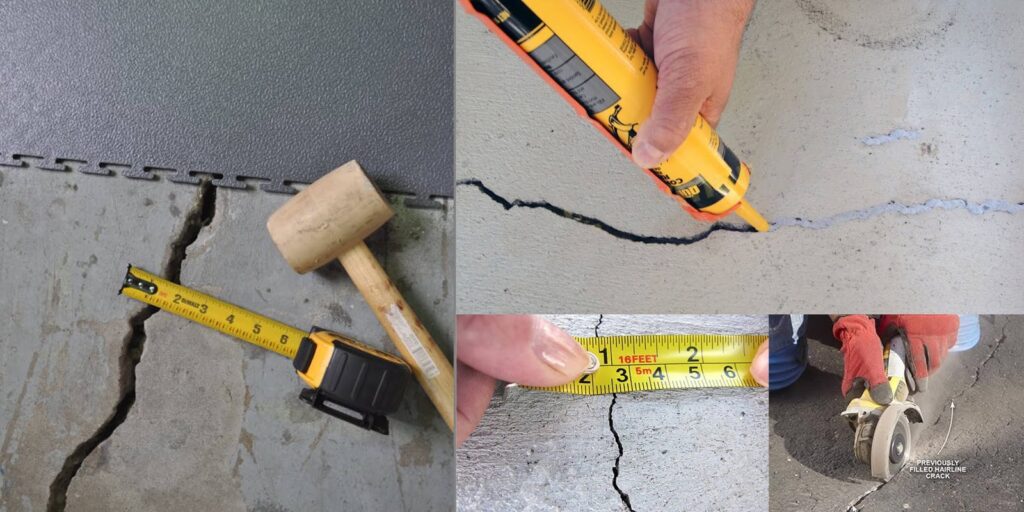
Cracking in concrete is simply where the internal strength of the concrete is overcome by applied forces and stresses. These applied forces and stresses may be present for a number of reasons. It must be noted that as the concrete hydrates and cures, the internal strength of the concrete begins to develop until a maximum is achieved. Therefore the applied force and stress required to overcome the internal strength of the concrete at any point during the curing process increases as the concrete hardens.
The purpose of this technical note is to consider the mechanisms that occur which lead to cracking in concrete that are not due to poorly designed floor details or operational overloading problems.
The following are deemed as the main groups of non-structural cracks in concrete:
1- Plastic Shrinkage Cracking (before concrete hardening) The primary cause of plastic shrinkage cracking is the rapid drying out of concrete, which can cause the shrinkage strain of concrete to exceed its tensile strain capacity. The rate of evaporation of water from concrete can also be increased greatly by even the lightest of wind, at least doubling the chances of seeing shrinkage cracks develop; these can create a series of parallel shrinkage cracks, predominantly in one direction. For this reason, openings in building elevations should be avoided during the floor construction process.
Curing is obviously crucial to stop shrinkage cracking, and theoretically, should take place when bleed water has evaporated, but before further drying causes large plastic shrinkage. In reality, when large area casting techniques are used, this can be extremely difficult to achieve, and the rate of evaporation of bleed water is awkward to constantly review and manage on site. For this reason, the likelihood of some level of cracking should be expected and accepted by all parties.
The action of power floating effectively re-compacts concrete and closes plastic shrinkage cracks as they form. For this reason, floors which require only a basic concrete finish are more likely to exhibit shrinkage cracking.
However, cracks in non power-floated floors should not necessarily require heavy scrutiny, as the reason for opting for a skip-float finish in the first place may be down to a particular client preference (for example, retail stores may be covered with tiling). If this is the case, non-structural cracks may be deemed of little significance by the client due to the aesthetic limitations of non power floated surfaces, unless the chances of cracking ‘reflecting’ through to the floor finishes is a genuine possible issue of concern.
2- Plastic Settlement Cracking (before concrete hardening)
Slabs with deep sections, or changes of depth, are mainly affected by plastic settlement cracking.
3- Early Thermal Contraction Cracks (after hardening)
Thick slabs subject to excess temperature gradients, followed by rapid cooling, can exhibit early thermal contraction cracks after one day and up to several weeks.
4- Long Term Drying Shrinkage Cracks (after hardening)
Long term drying shrinkage cracks are particularly prevalent in thin slabs subject to high shrinkage and in slabs, which have insufficient stress relief. Cracks of this type can occur up to several years after casting.
]]>