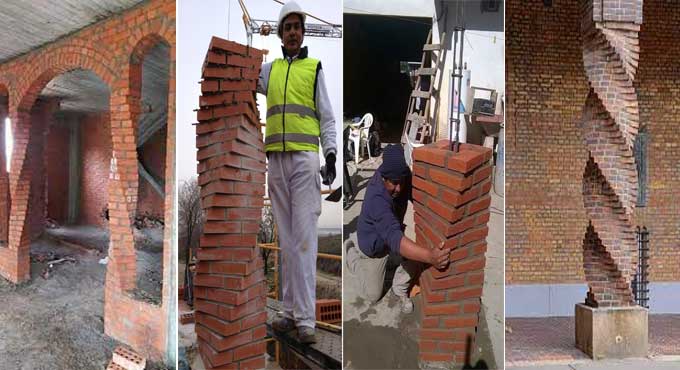
When each course is plumbed and leveled as you go, brick columns typically take a long time to construct. It is much easier to notice a bit of a deviation when you set up jack lines, but you still need to plumb and level. As far as laying out twisted brick columns is concerned, it is a little more challenging, but once you begin laying, it is much more enjoyable.
The timeless, classic aesthetic of brick columns can be added to any property. Building your own brick column can be a fairly straightforward process if you have some masonry experience, whether you need one for decorative purposes or for structural support.
In general, the basic idea remains the same regardless of the structural requirements and dimensions of the column you choose.
Twisted Brick Column Construction Process
It is your idea to build a nice pool house on a twisted brick pier. There will be two more courses of construction after the top of the pier is squared off.
If the first and last courses are square with each other and with the structure, a column will appear proper. Taking a few measurements will allow you to calculate how to square the column once you have it squared. In order to determine the height of the span from a footing or slab to a soffit, first you must know its height. There is generally an 8 to 12 foot height range for spans.
How to Calculate Twisted Brick Column
A height of 8 feet translates into 36 courses, a height of 10 feet translates into 45 courses and a height of 12 feet translates into 54 courses.
You will see in a moment that at a distance of 8 feet 8 inches, there are 39 courses, making figuring out the degrees of each twist a bit tricky.
There are four possible twists on the column: 90 degrees, 180 degrees, 270 degrees, and 360 degrees. The full column in this example will have three twists from bottom to top, or 270 degrees.
The 54 courses will also need to be piled up at a height of 12 feet. In mathematics, 270 degrees divided by 54 courses equals to 5 degrees of twist per course.
You can mark the pier’s center at 5 degrees using a speed square or protractor. It is pretty simple if you use a speed square: place its pivot in the middle of the pier’s span.
You can turn the pier 5 degrees by rotating the speed square on the pivot and marking on the scale along the hypotenuse. It is extremely easy and you can determine the height, the number of courses, and how many twists you need, as well as build any twisted column you like.
Twisted Brick Column Limitation
The steel can be plumbed off the outside of the current course when building a larger twisted brick column where you are wrapping a structural column. There is no substitute for stepping back and reviewing your work, as this thick layer can spot out of plumb from a mile away.
Difference between Twisted Brick Layer & Twisted Brick Pier
The layout of a twisted brick column and a twisted brick pier differs, and a column is not the same as a pier.
When it comes to columns, they need to be square with their respective roofs or soffits, but a pier can be twisted as much or as little as one wants, with the top of the pier being forgiving even if it is twisted.
Twisted brick columns and twisted brick piers can be laid out in one way, and they differ from one another. There is no tolerance for twisted piers, but columns need to be square with the roof or soffit.
]]>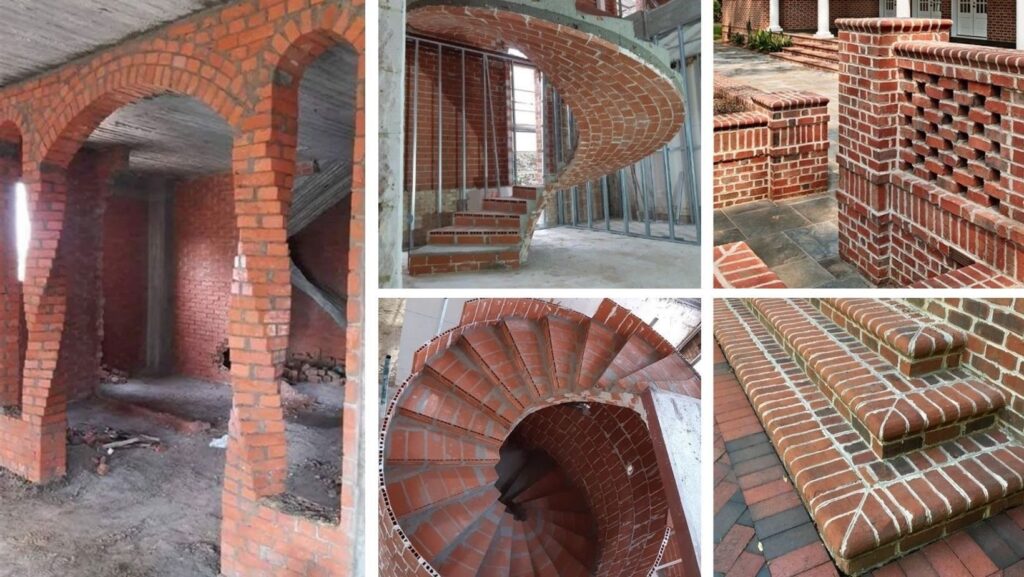
Creative Methods of Bricks Used In Construction
#1

#2

#3

#4

#5

#6

#7

#8

#9

#10

#11

#12

#13

Brick Size
Bricks are one of the most utilized and essential building construction materials. The standard brick Size is used to construct a masonry wall that is relatively durable and strong in nature. They are very popular from the olden days to the modern days because of their low cost and durability.
Traditionally, the construction bricks were manufactured from clay soil. The bricks have a long history in past goes as far as 5000 BC. It is utilized by ancient technology were used by Roman, Egyptian and Indian civilizations.
The term brick refers to small units of building material, often made from fired clay and fixed in position by using mortar, a bonding agent comprising cement, sand, and water.

Importance of Brick
Following are points shows the importance of bricks in building construction,
- Fire Protection: Bricks are not very easily affected by fire or catch fire quickly. Bricks made from clay has fire resistance up 2000 degree Fahrenheit.
- Wind Protection: House constructed from bricks are stronger to resist wind force acting on them during Strom compared to fibre and vinyl materials. According to a recent study, brick can bear wind force of more than 80 mph.
- Moisture Control: If bricks are made from the ideal combination of clay, head, and water then they prove to be best in moisture control in the house.
- Minimum Waste: As the bricks are made from a natural clay material that can be reused causes minimum waste.
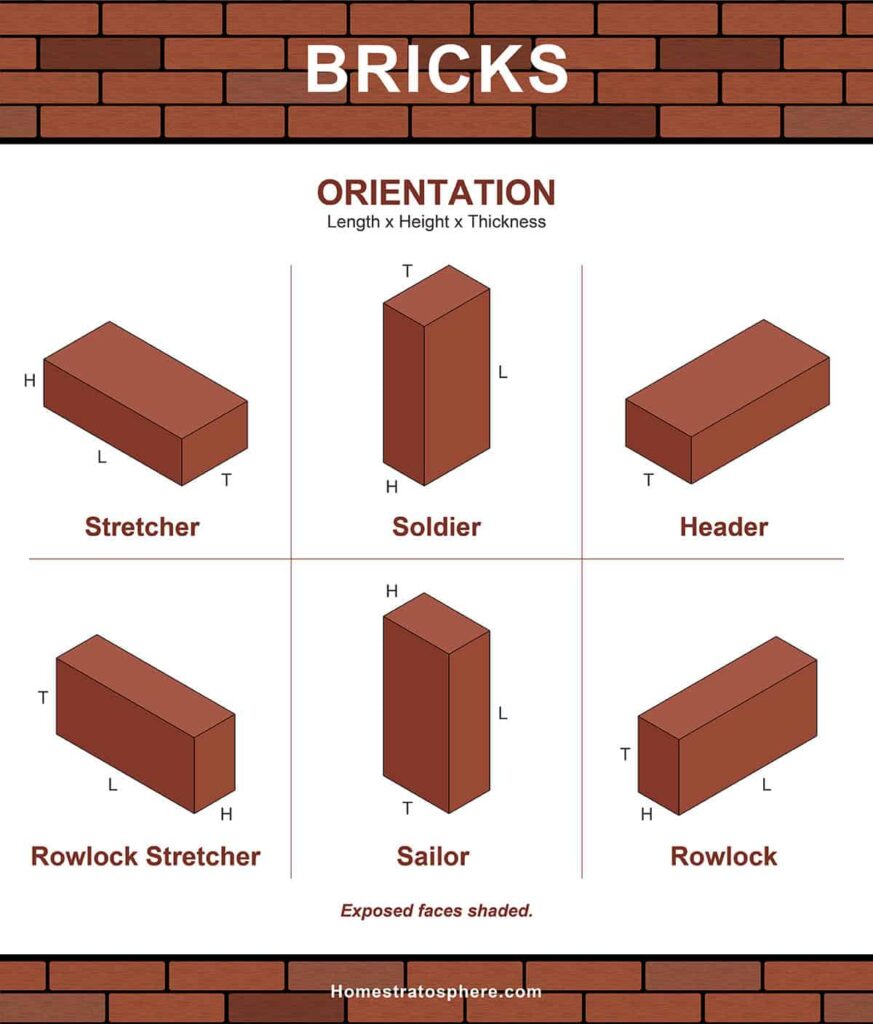
Brick Orientation
Brick is an element of three-dimension which are length, height, and width which also refer to thickness.
Although brick is three-dimensional, it can be laid in six different orientations.
When the brick is placed on its stretcher, height and length are exposed which is called face dimension.

Brick Standard Dimension and Size
It is important to learn about what are the standard size of brick. To avoid confusion during design and construction, it is important to know about the different dimensions.
Different Dimensions of Bricks
- Specified dimensions.
- Nominal dimensions
- Actual dimensions.

1. Specified Dimensions
- A specified dimension is defined as the dimensions of brick without consideration of mortar.
- In the rational design of brick masonry, structural engineers used them.
- Only specified dimensions are used in non-modular construction if the absence of corresponding nominal dimensions.
2. Nominal Dimensions
- In modular construction, nominal dimensions of bricks are used.
- It is the specified size plus the width of the mortar joint.
- These dimensions produce modules of 4 in. or 8 in. “,
- The building materials such as doors, windows, and wood components have same the modules, which have bricks’.
3. Actual Dimensions
- Actual dimension is defined as the measurement of bricks which is getting from the manufacturing plant of bricks.
- The actual dimensions are within a tolerance of the specified size or dimensions.
- Variation of tolerance is depending upon the type and size of bricks.
- Tolerance is given by the applicable ASTM standard specifications, such as those in ASTM C216, Standard Specification for Facing Brick, and C652, Standard Specification for Hollow Brick.
Standard Size of Brick In India

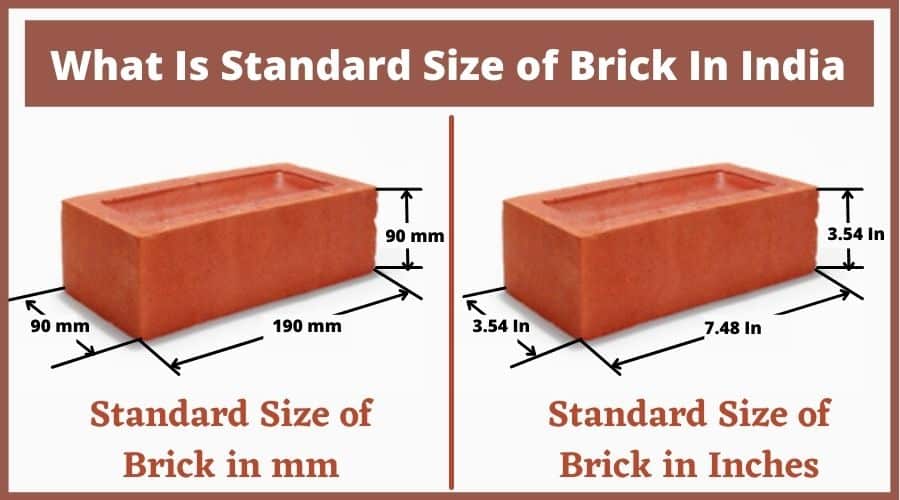
Standard Size of Brick In India: 19 × 9 × 9 cm and 19 × 9 × 4 cm is the standard size of Brick which is also known as modular brick.
19 × 9 × 9 cm brick, when placed in masonry with mortar, it becomes 20 × 10 × 10 cm which is size of brick with mortar.
Standard Size of Brick in mm is 190 x 90 x 90 mm (Length x Width X Thickness)
Standard Brick Dimensions Inches is 7.48 In X 3.54 In X 3.54 In (Length x Width X Thickness)
However, in most parts of the country, the bricks available still are 9″×4”× 3” which also known as field bricks. The weight of such a brick is 3.0 kg.
The frog is provided in brick. The Purpose behind providing frogs is to form a key, to hold the mortar, so the bricks are laid with frogs on top of size 10 × 4 × 1 cm.
- For 4 cm high bricks and extruded bricks, the frog is not provided.
- The shape of brick is rectangular; it can be conveniently handled with one hand.
- The length, width, and height of brick are as given below:
- The length of a brick is equal to twice the width of the brick plus the thickness of the mortar
Height of brick = width of the brick
Different Types of Bricks and Their Standard Size In India
The following are some standard bricks types and Their standard size in India.
- Modular bricks
- Non-modular bricks
- English size bricks
- Conventional bricks

Bricks Dimensions
1. Modular Bricks
The Brick along with cement mortar joints is called Modular brick,
Standard size of brick in India, 190 mm × 90 mm × 90 mm, is The standard modular size of common building brick with specification (length × breadth × height)
These are machine-made bricks.
2. Non-Modular Bricks
230mm × 110mm × 70mm & 230mm × 110mm × 30mm is the size of Non – modular bricks that may be used.
3. English Size Bricks
English size brick, which is commonly used in India is 230mm × 115mm × 75mm
4. Conventional Bricks
Conventional bricks, which is commonly used in India is 230mm × 110mm × 110mm
What Is Frog

The Frog is a depression made on the top surface of bricks which is useful for making a strong bond between upcoming layers of bricks.
The Frog Should Be 10 – 20 mm Deep.
It enhances the Brick Bondings with Mortar.
The Standard Size Of Burnt Clay Bricks
The bricks are made by burning clay in a kiln. The standard size of burnt clay brick has been mentioned in IS Code.

1. Heavy Duty Burnt Clay Bricks (IS 2180)
These bricks are similar to burnt clay bricks, and they both have the same size but it has high compressive strength.
Dimension of Heavy Duty Brunt Clay Brick
Following table shows the standard dimension of heavy duty brunt clay bricks,
| Length (mm) | Width (mm) | Height (mm) |
| 190 | 90 | 90 |
| 190 | 90 | 40 |
The Following table shows maximum permissible tolerance for brick dimensions,
| Dimensions (mm) | Tolerance on Individual Bricks |
| 190 | + 4 |
| 90 | + 2 |
| 40 | + 2 |
2. Heavy Clay Perforated Bricks (IS 2222)
- They have cylindrical holes throughout their thickness, high compressive strength, and less water absorption.
- The burning of these bricks is easy and economical.
- These bricks are also light in weight and require less quantity of clay.
- Vertical or horizontal can be the direction of perforations.
- These are used in building walls and partitions walls.
- Larger dimensions should be parallel to the longer side of the brick in case of rectangular perforations.
Dimension: Heavy Clay Perforated Bricks are available in the following sizes. (i) 190 × 90 × 90 mm. (ii) 290×90×90 mm
Tolerances:
| Dimensions (cm) | Tolerances (mm) |
| 290 | + 10 |
| 190 | + 7 |
| 9 | + 4 |
3. Burnt Clay Paving Bricks (IS 3583)
These bricks contain more iron content than that ordinary clay bricks.
Due to Excessive iron vitrification of bricks is found, while burning at a low temperature, which gives natural glaze to the brick, so which helps to make it more resistant to abrasion
From surface clay, impure fire-clay, or shale, paving bricks can be manufactured. For paving bricks, shale is the best raw material. They are burning seven to ten days continuously in the kiln.
Dimensions: The Standard Dimension of Burnt Clay Paving Bricks or Sizes are i) 195 × 95 x 90 mm, (ii) 195 × 95 × 40 mm.
Tolerances:
| Dimensions (cm) | Tolerances (mm) |
| 195 | + 6 |
| 95 | + 3 |
| 90 | + 3 |
| 40 | + 1.5 |
4. Burnt Clay Soiling Bricks (IS 5779)
These are used for soling of roads.
Dimension: Burnt Clay Soiling Bricks are available in the following sizes. (i) 190 × 90 × 90 mm. (ii) 290 × 90 × 40 mm
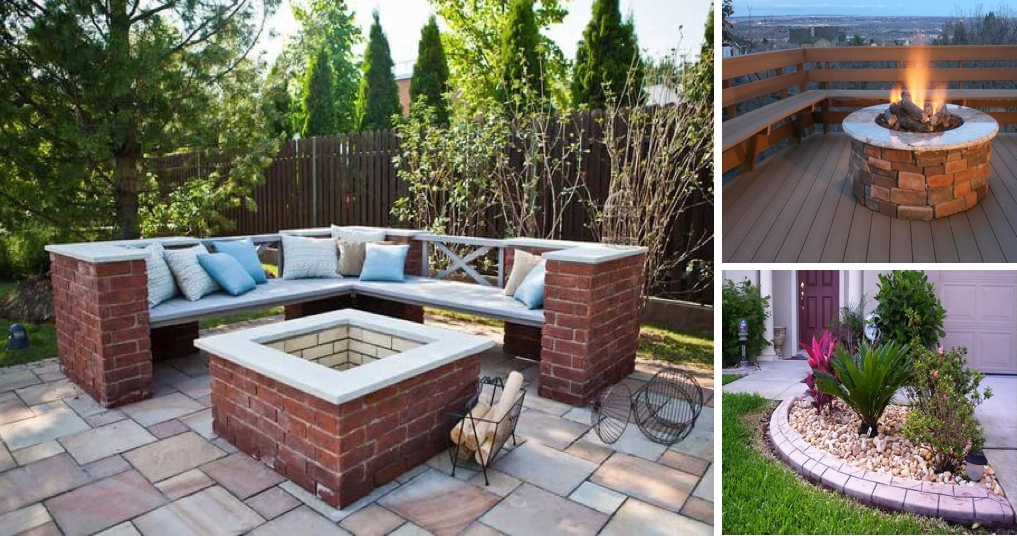
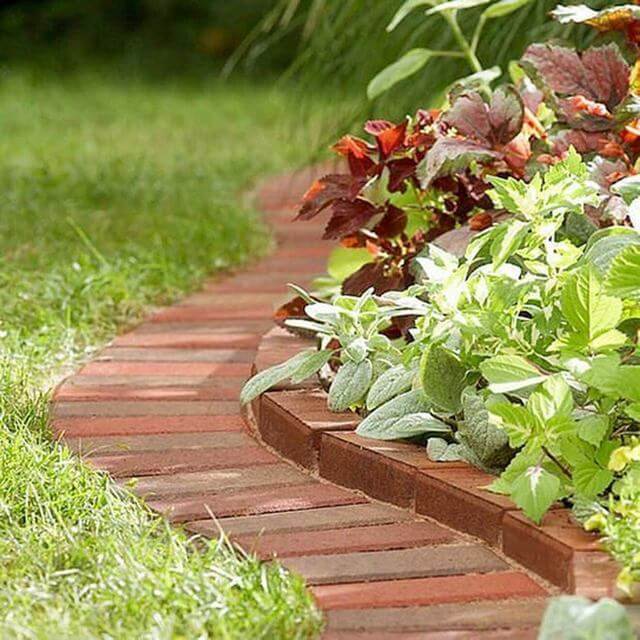
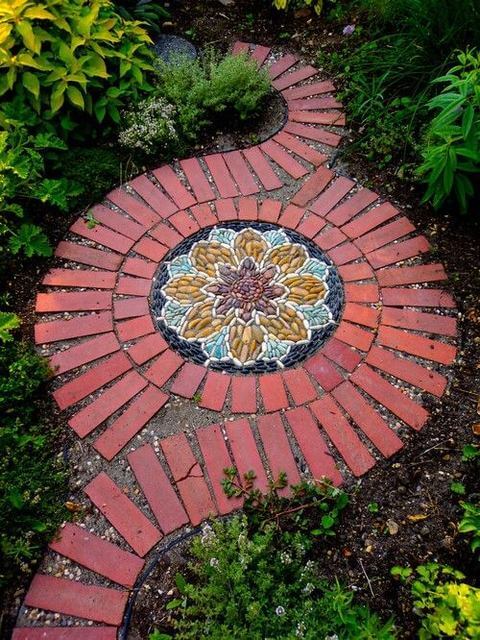
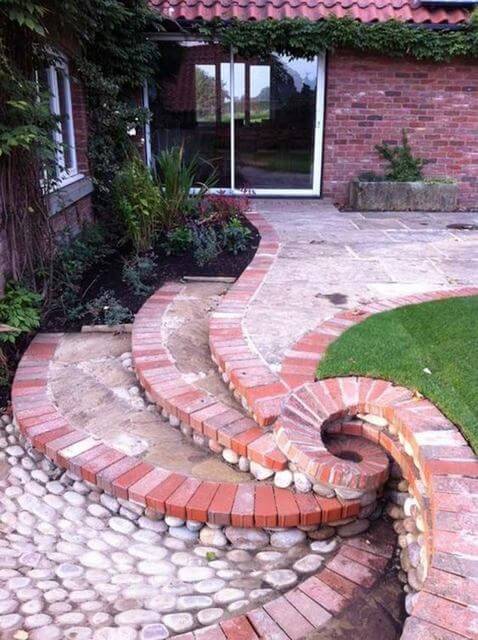
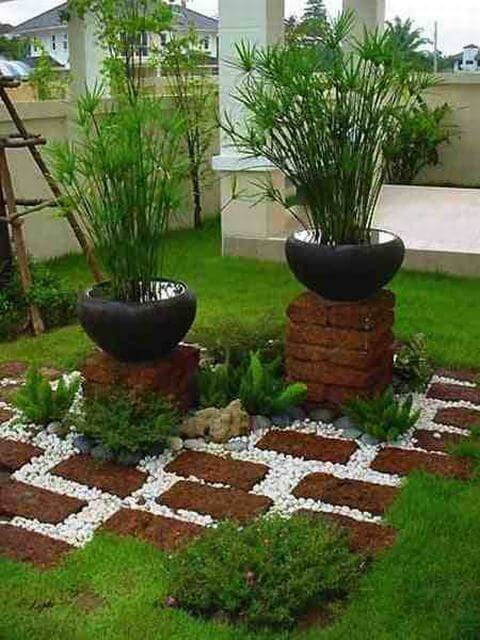
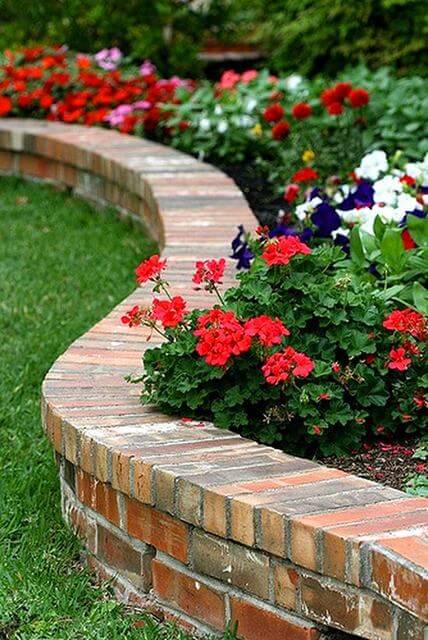
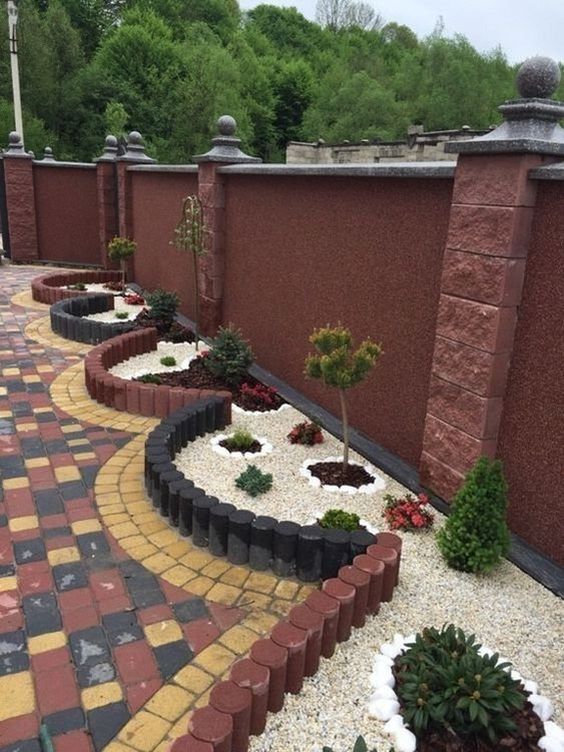
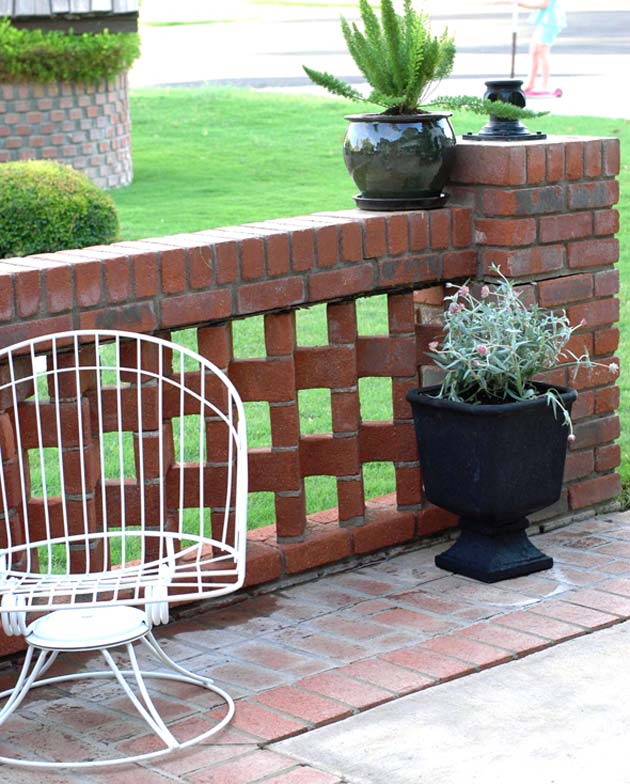
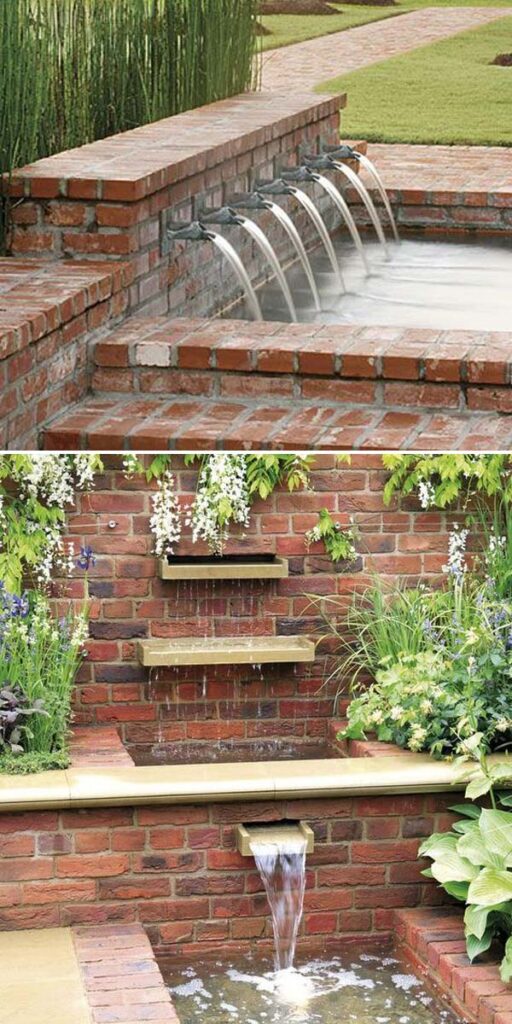
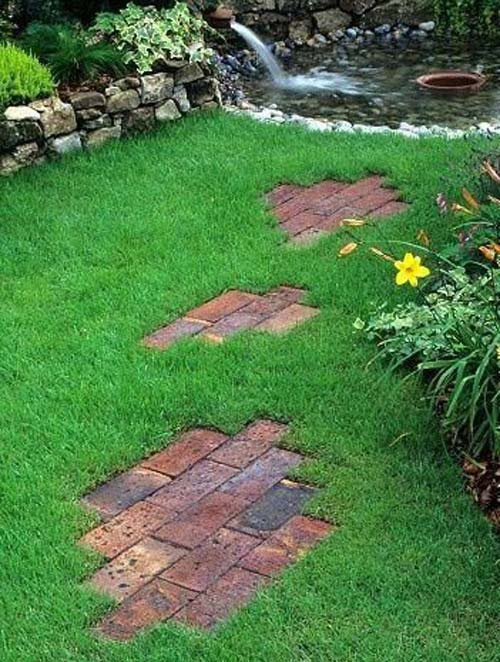
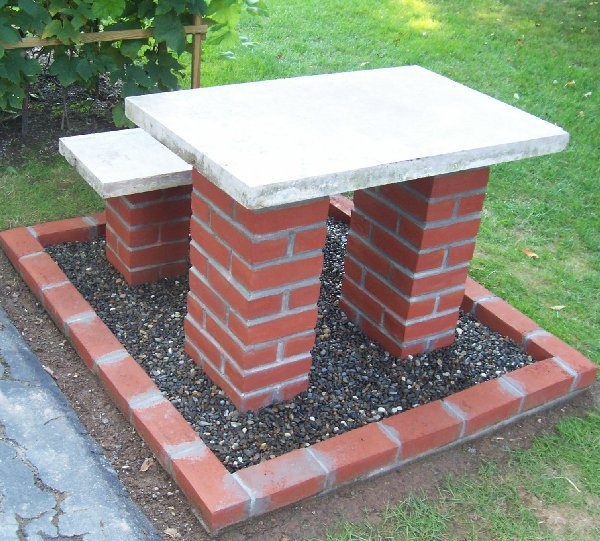
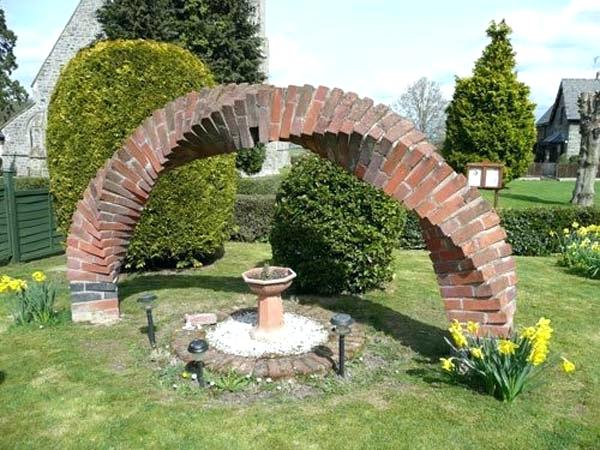
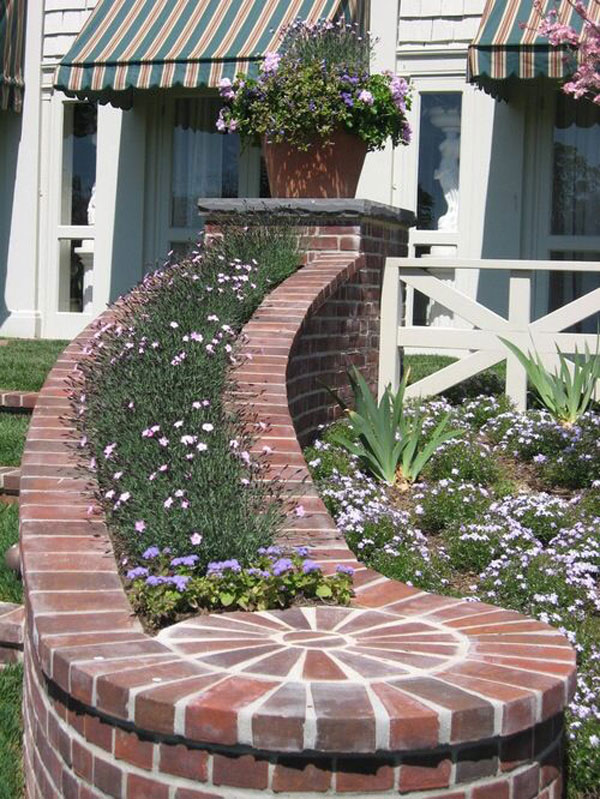
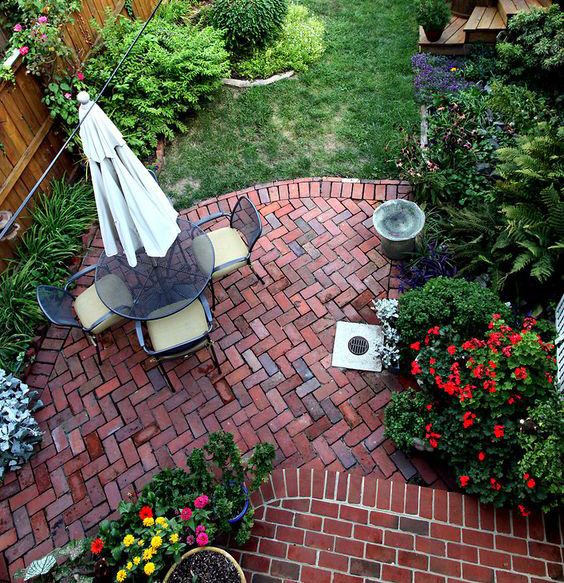
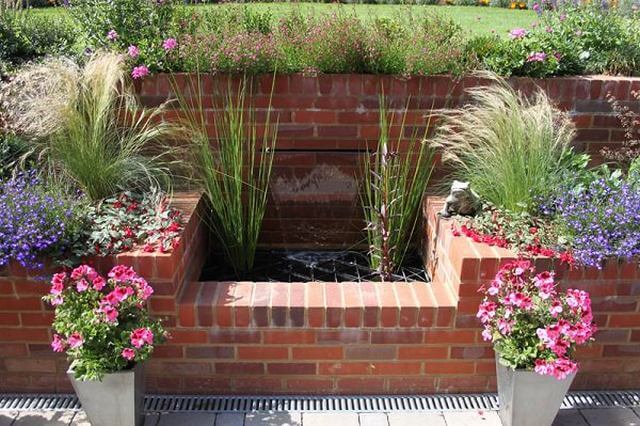
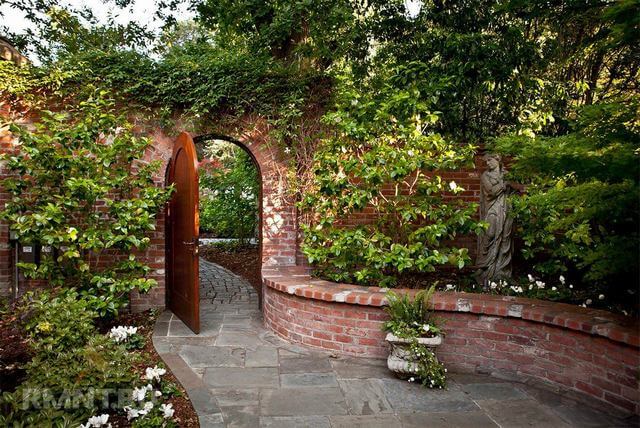
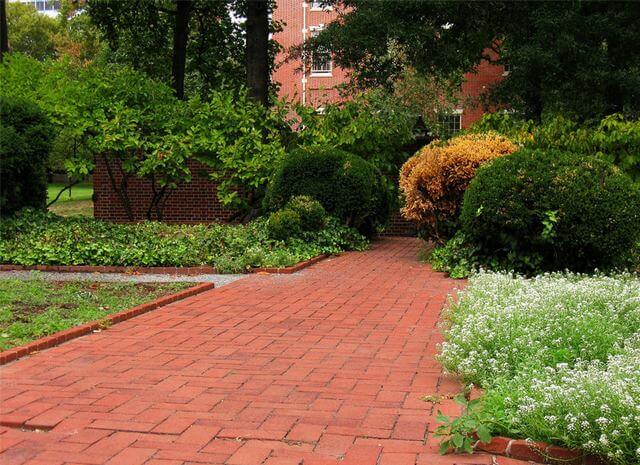
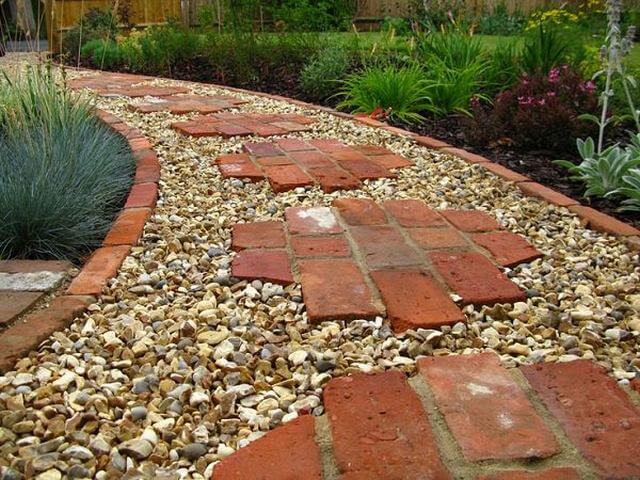
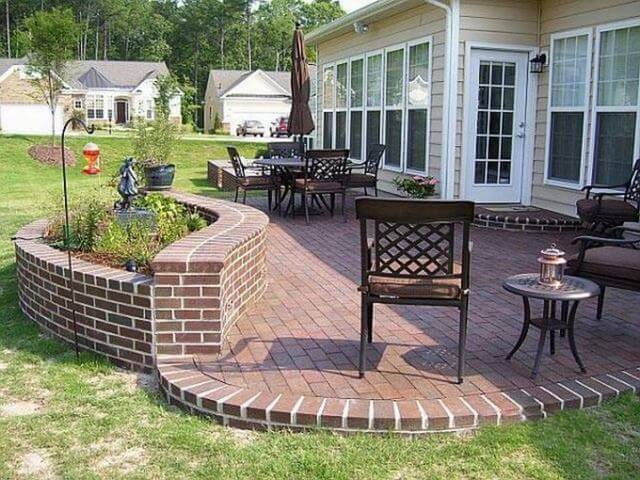
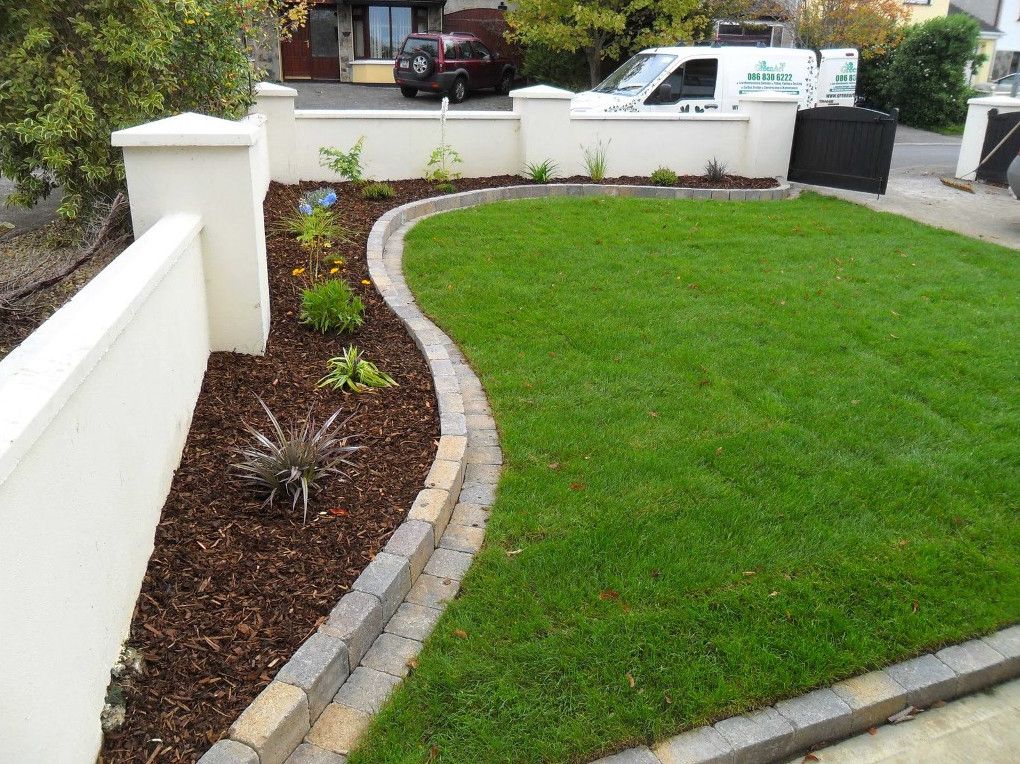
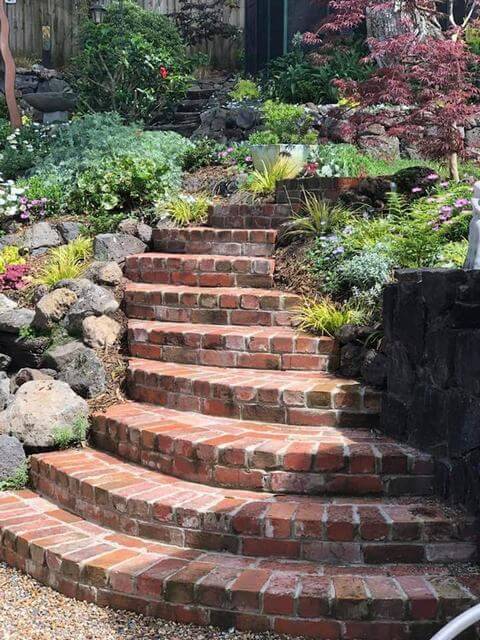
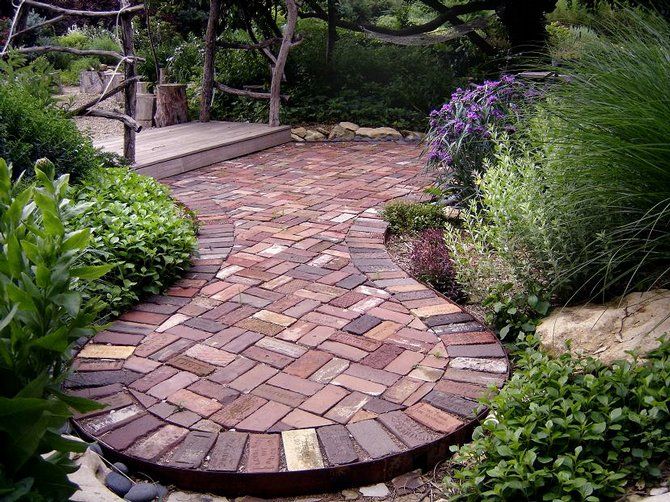
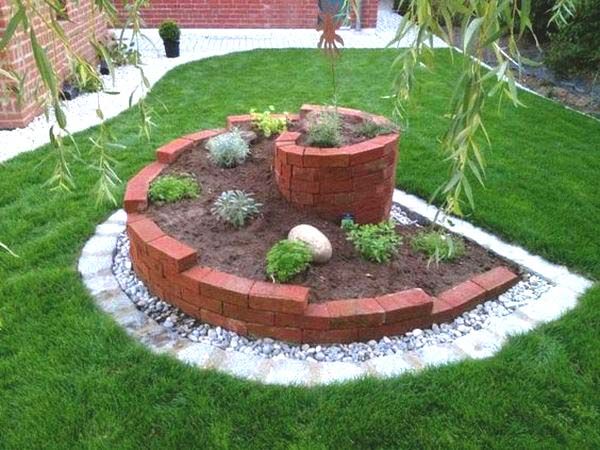
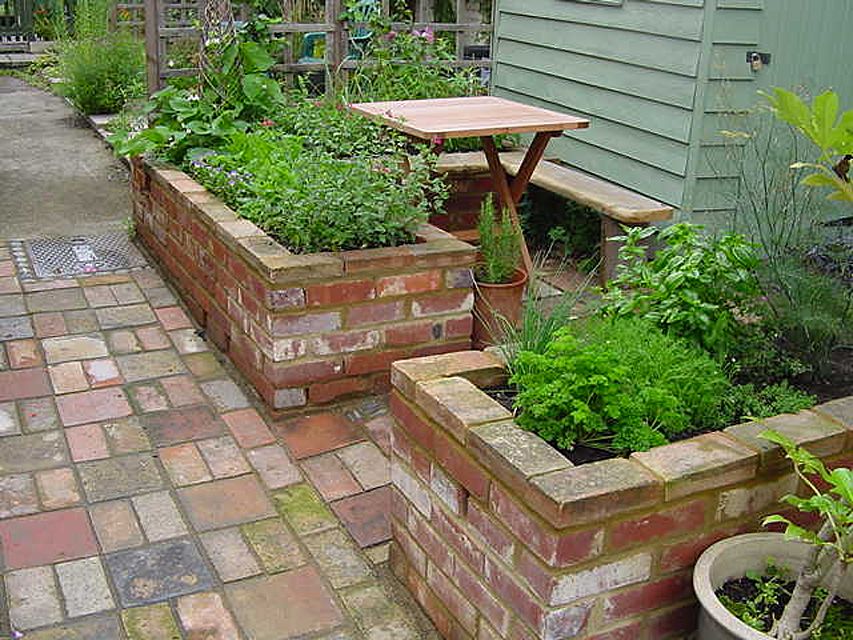
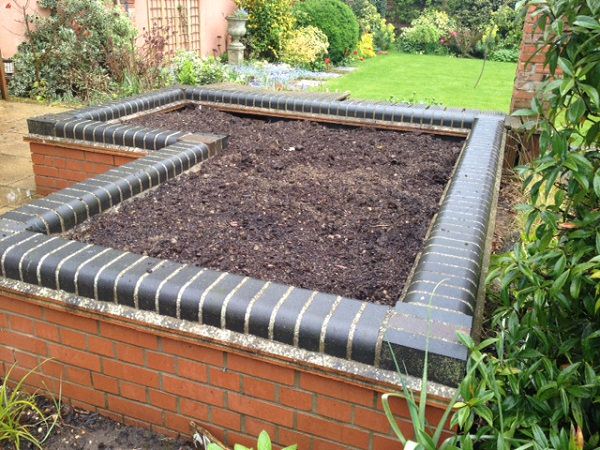
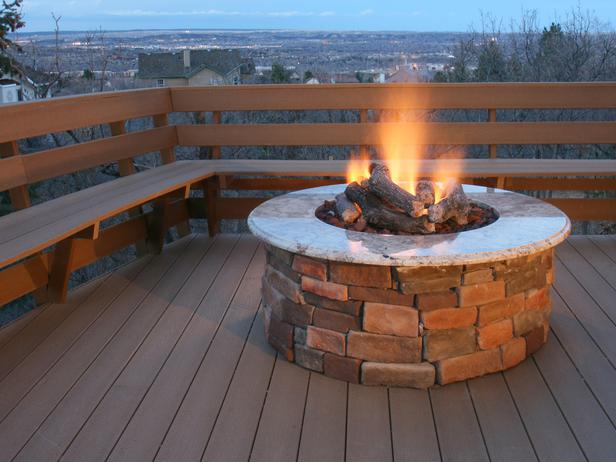
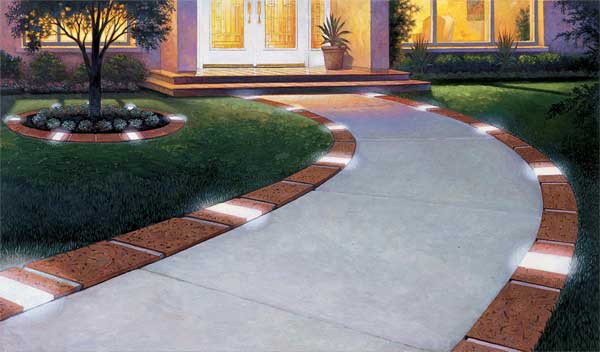
Bricks are durable and easy to use in many ways. It can be used for the exterior of a house, and it can also be seen in the garden and landscape too. The rustic style of brick is very suitable for outdoor landscaping. Also, it is a cheap material and easy to do a great job with used bricks. And in the article today, we’ve listed 22 Beautiful Landscaping with Brick Ideas to enhance the look of your outdoor space.
Bricks are not just for walls, there are many ideas to use. Look at your landscaping outdoors, you will notice the use of bricks in different ways. In many designs, brick is used for paving walkways, but they also perform great when used for garden beds, fountains, planters, and many more. So, if you have a pile of old bricks, here are a few ideas for you!






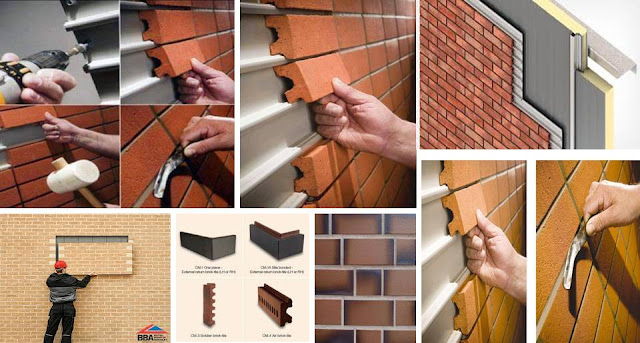
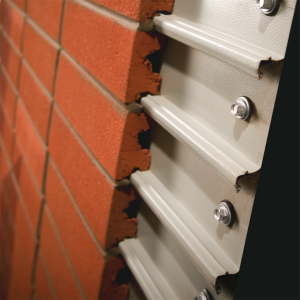
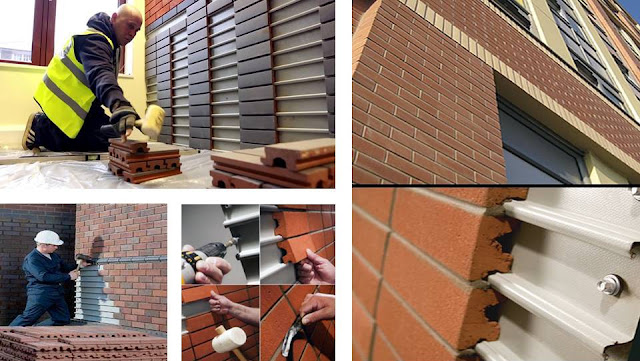
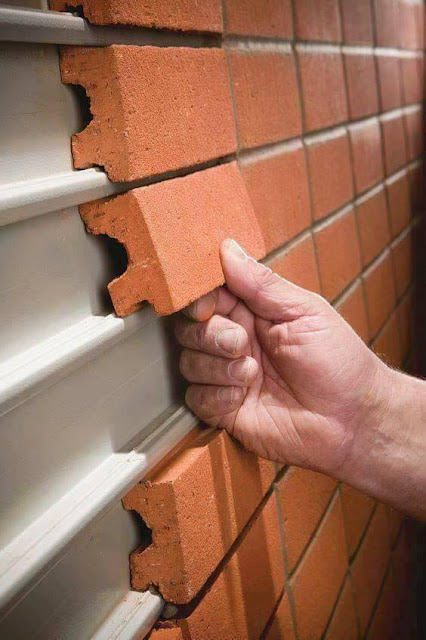
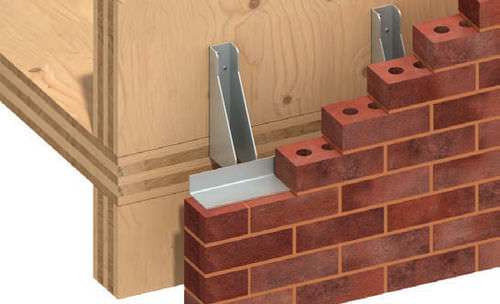
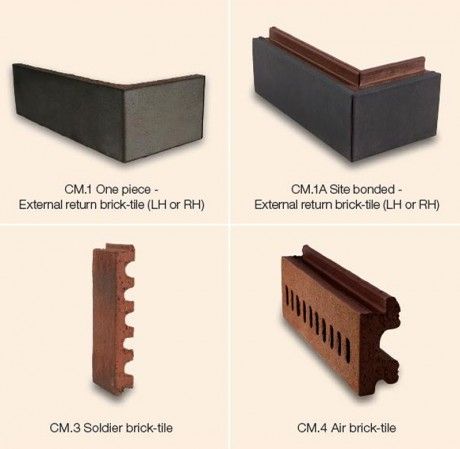
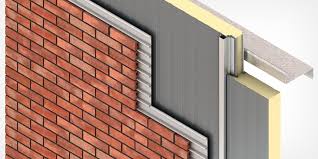
The Corium Cladding System is comprised of genuine brick tiles with a unique and patented profile that mechanically fix to an HPS200 coated and galvanized receiver tray. Each tray interlocks to form a drainage plane, which is then mounted to the engineered framing system. The brick tiles are clipped into place. This mechanical “clipping” system is proprietary to Corium and provides a high-strength façade that offers a level of design flexibility unheard of with traditional hand laid bricks.
The system is a fully engineered rain screen assembly with rear ventilation, which provides an open cavity, an uninterrupted air/moisture barrier and continuous-insulation capability, meeting the requirements of ASHRAE 90.1 for maximum thermal and moisture performance.
Brick Cladding Installation: Step by Step
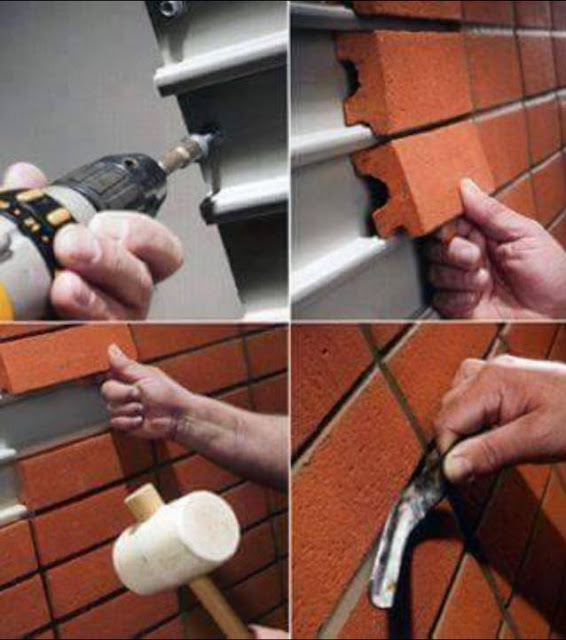
- Rows of profiled steel sections are fixed to the backing structure.
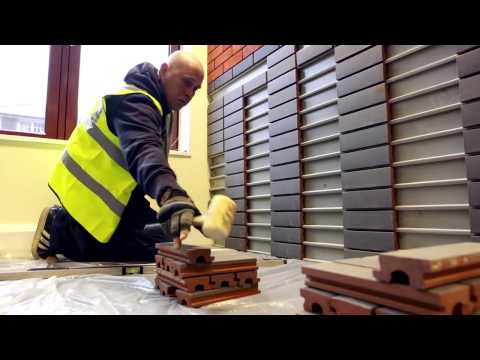
- Corium extruded fired clay brick tiles are simply clipped into place by hitting the brick tile with a rubber mallet. The clipping process ensures that consistent horizontal joints are achieved, whilst vertical joint spacing can be adjusted to suit design requirements.
- Once all the Corium brick cladding tiles are installed and the quality approved, mortar is applied to vertical and horizontal joints between the tiles to provide a brickwork finish.
Assuming
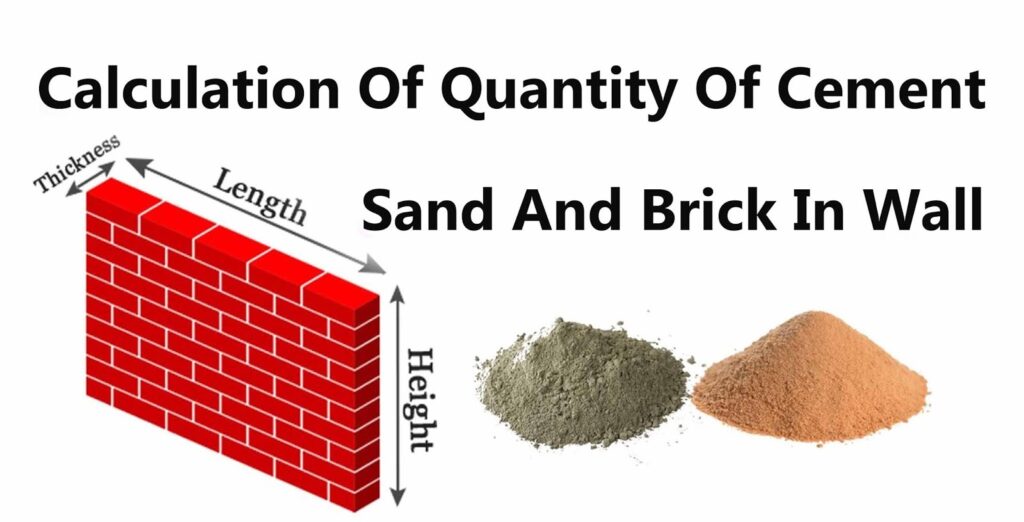
1- Grade of mortar = 1:6 (cement : sand)
2- Class A brick (19 cm x 9 cm x 9 cm)
3- Volume of brick work = 1.0 m^3, (wall size =1*1*1 =1.0 m^3)
4- Thickness of mortar = 10 mm
Step 1 :- Calculation of bricks
No. of bricks = (volume of brick work / volume of one brick with mortar)
Volume of one brick (without mortar) = .19*.09*.09 = 0.001539 m^3
since thickness of mortar = 10 mm (0.01 m)
Volume of brick with mortar = (0.19+0.01) x (0.09+0.1) x (0.09+0.1) = 0.2×0.1×0.1 = 0.002 m^3
Number of brick required in brick work volume = 1.0 m^3
therefore,
No.of bricks = 1.0/ (0.002) = 500 Nos.
consider the percentage of waste as 10 % or 15 %
Total no. of bricks = 500 + (10 x 500 )/100=550
Step 2 :- Calculation for quantity of mortar
Since we need 500 no of bricks
volume occupied by bricks = No of bricks x volume of one brick
Volume of bricks = 500 x 0.001539 = 0.7695 m^3
Volume of mortar = Volume of brick work – Volume of Bricks
therefore,
volume of Mortar = 1.0 – 0.7695 = 0.2305 m^3
Step 3:- Calculation for Quantity of Cement
Cement = (dry volume of mortar x Cement ratio)/ sum of the ratio,s(proportion)
Dry volume of Mortar = 1.33 x 0.2305 = 0.3065 m^3 ( 33% increment due to volume shrink after water addition )
Vol. of cement= (0.3065 x 1) / (1+6) = 0.3065/7= 0.043795 m^3
cement (kg) = 0.043795 x 1440 = 63.0648 kg
No. of bags = 63.0648 / 50 = 1.26 bags approximately 2 bags
Step 4 :- Calculation for Quantity of Sand
Sand = (dry volume of mortar x Sand ratio)/ sum of the ratio,s(proportion)
Sand = 0.3065*6/7 = 0.2627 m^3
or
sand = cement volume x 6 ( since 1:6 grade of mortar)
Sand = 0.043795 * 6 =0.2627 m^3
sand = 0.2627 x 1920 = 504.384 kg /1000 = 0.5043 tonnes or
sand = 0.2627 x 35.3147 = 9.27 cft or
sand = 0.2627 x 0.354 = 0.0930 brass
So, For
- Grade of mortar = 1:6 (cement : sand)
- Class A brick (19 cm x 9 cm x 9 cm)
- Volume of brickwork = 1.0 m^3
- Thickness of mortar = 10 mm
Number of Bricks = 500
Cement = 1.26 bags of 50 Kg
Sand = 0.2627 m^3
]]>