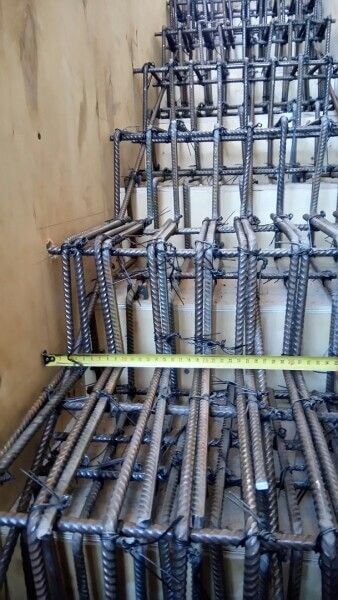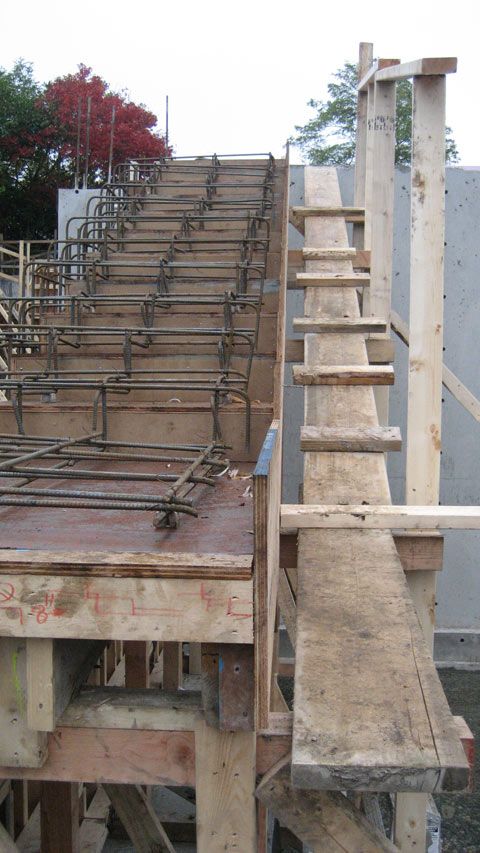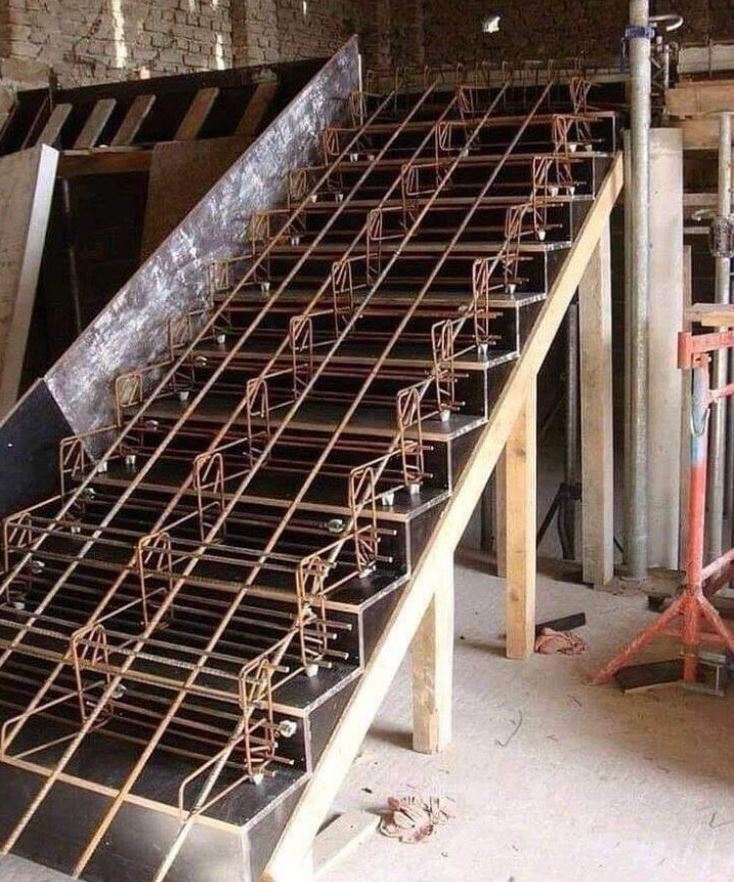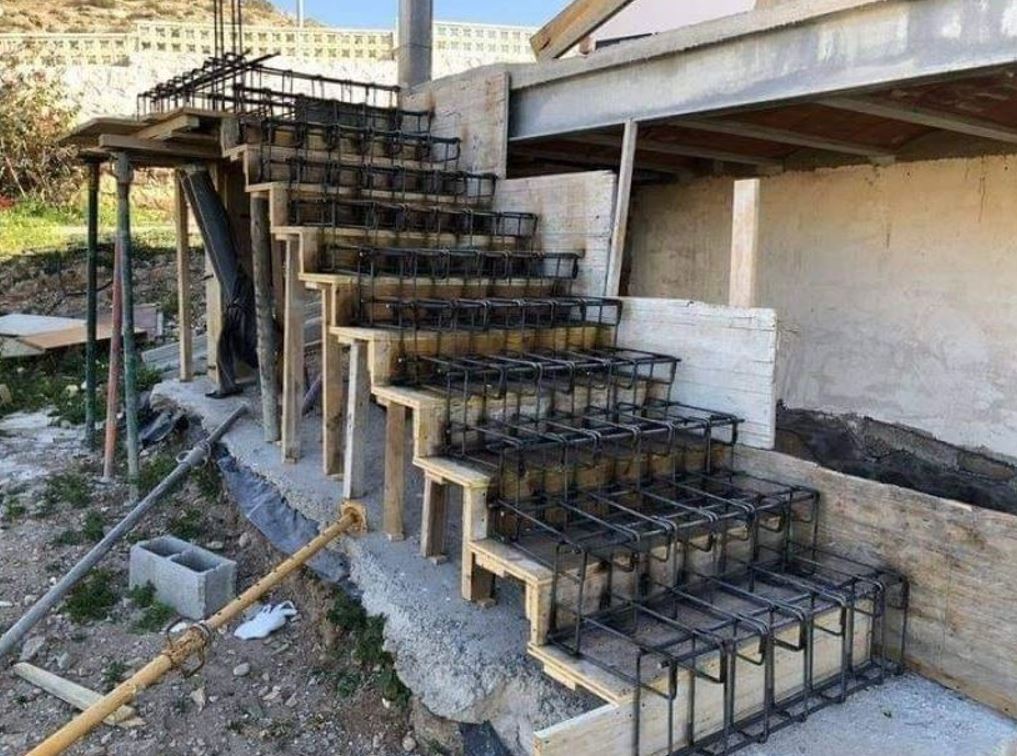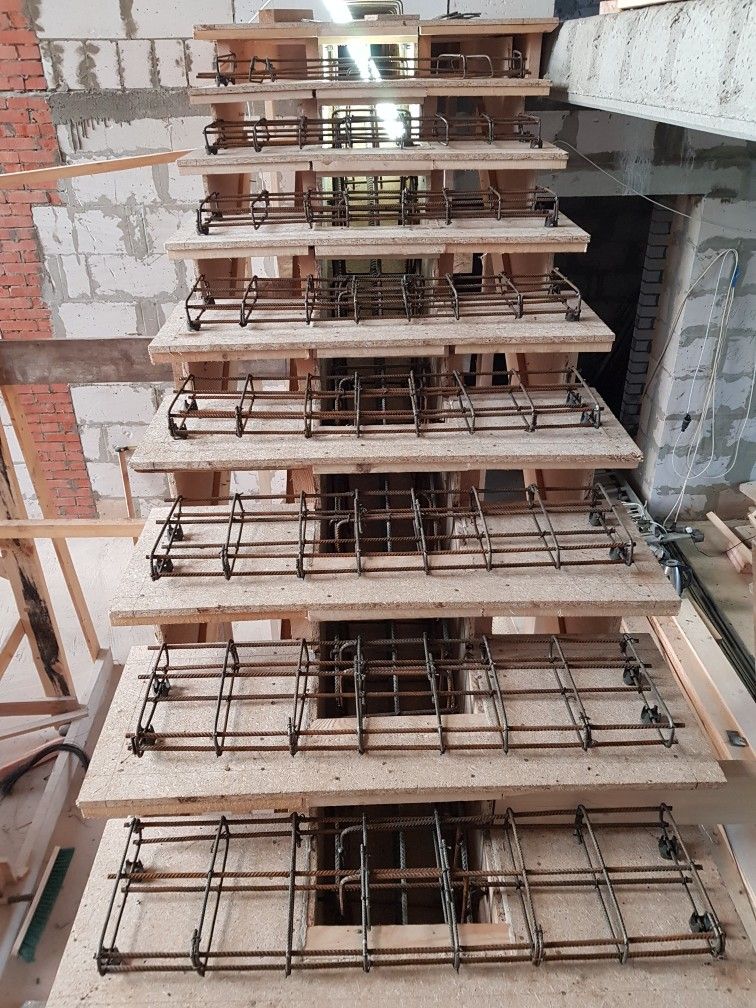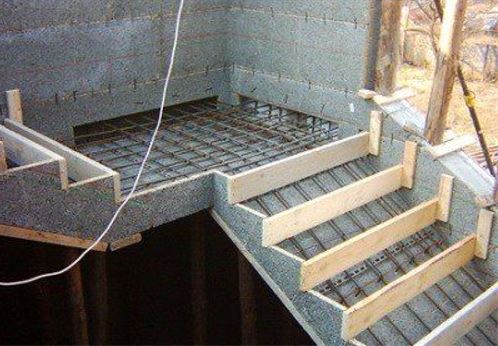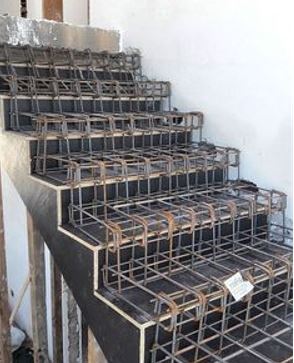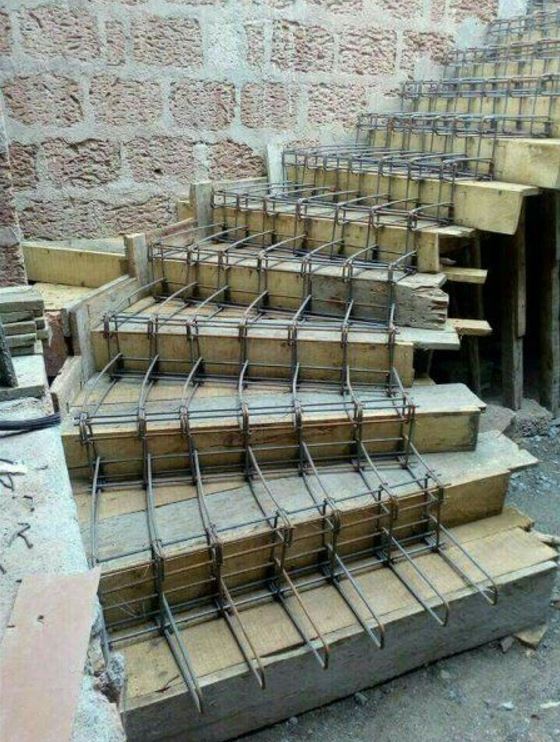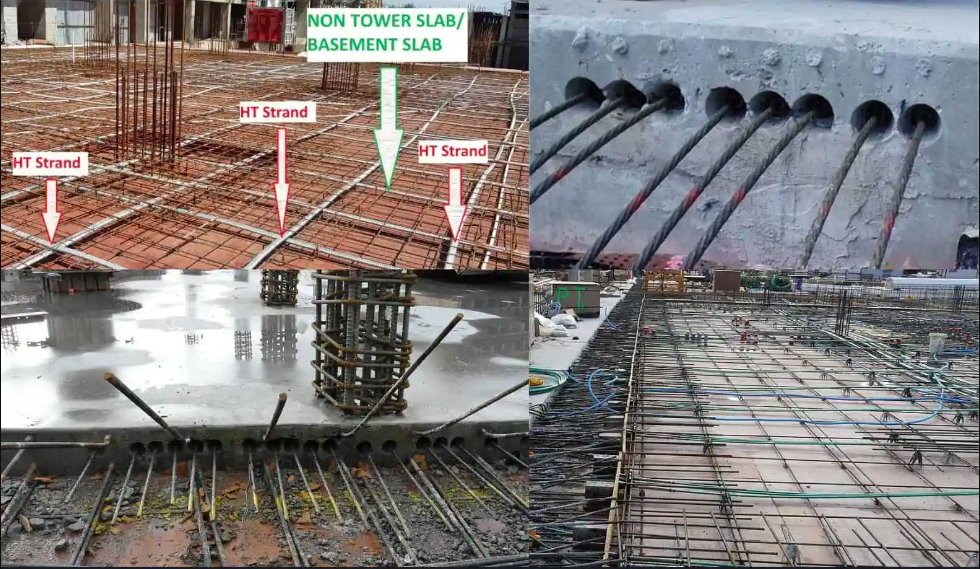
Post–tensioning is a method of reinforcing concrete in a slab and beam. Post-tensioning is a form of prestressing.
In post tension slab tendons are prestressing steel wires inside plastic ducts or sleeves or metallic sheets and it is positioned in the forms before the concrete is placed.

After this process concrete gets strength but before the service loads are applied the cables are tensioned and anchored against the external edges of the concrete slab.
What Is Post Tension Slab?
Post tension slab is a combination of conventional slab reinforcement and extra projecting high-strength steel tendons which are continually subjected to tension after the concrete has been settled down.
This method helps to achieve the formation of a thinner slab with a longer side span devoid of any column-free spaces.

Post–tensioned concrete means the concrete is filled after the tension is applied, but it is still getting stressed before the loads are applied.
The Post Tension Slab is the type of slab in which the reinforcement goes through ducts and is made of steel cables, not bars. These wires have to be made out by tensioning them after the concrete has hardened and before the scaffolding is taken away from buildings.
This means that the slab bends upward direction so all the concrete works as in compression through the slab.
The Post Tension Slab is usually called post-stressed concrete when there is pre-stressed concrete (the wires need to be tightened before pouring the concrete) and once the mixed concrete has hardened, it can be released from the wires.
The effect is also the same the slab is bending upward side by the tension and there are no sections of the slab where the concrete is pulled. It all works in compression form.
The slab with cables in the pipe is ready to be stressed. It is done after the concrete has to get hardness, so it is post-stressed.
Principal of Post-Tension Slab
Concrete has high compressive strength and steel has high tensile strength when combined it is used to bear loads, and the efficiency increases manifold.
When a heavy live load is applied to the structure its concrete slab undergoes tension form, which leads to the constitution of cracks and ultimately deformation.
To reduce this problem in the post-tension slabs, post-tensioned steel tendons are entered at the time of concreting and tensioned after concreting with conventional rebars.
Types of Post-Tension Method
Bonded Posts

Bonded Post Test
Bonded post-tension slab is used for large structural elements like beams and transfer girders. This method was used for Crete monolithic slabs for house construction where adobe clay Crete problems in the perimeter foundation.
Also used in the construction of bridges. Design advantages include increased span lengths in building and load-carrying capacity and decreased deflection. In this method, Hooke’s law was used to maintain tension and wedge position.
Unbonded Post-Tensioning

It is typically used in new construction for elevated slabs, slabs on grade beams, transfer girders, joists, shear walls, and mat foundations.
In the post-tension slab method, the tendon is coated with lithium–based grease and covered in a plastic sheet formed. Light and flexible these two are the unbounded mono strand that can be easily and rapidly installed for providing an economical solution.
Freyssinet System

It was inaugurated by the French engineer Freycinet. High-strength steel wires of 5 to 7mm diameter of 8 -12-16-24 numbers are grouped into a cable with a helical spring inside steel wires are carried along these grooves at the ends.
it is pulled by Freycinet double-acting jacks which can pull through suitable grooves for all the wires in the cable at one time.
Magnel Blaton System
It is having two wires stretched at one time. This method was introduced by the magnel of Belgium. In this method, the anchor consists sandwich plate having grooves to hold the wires.
All plates carry 8 wires. Approx 5-7mm wires are used in this method. One cable consists of 8 wires. These wires with sandwich plates are used as a tapered wedge.
Gifford Udall System
It was introduced by Great Britain, the type of system used in India. In this system single wire is used and all wires are stressed freely using the double jack.
In this system two types of anchorages are used: 1) tube anchorages and 2) plate anchorages.
Components of Post-Tension Slab

Ducts
It is placed inside the slabs to allow the tendons to pass. The main purpose of ducts is to connect cables with tendons. It is available in metal sheet ducts and plastic ducts.
It is thin sheet metal pipes with claw coupling and welded overlapped seam supplied in length of 4 to 6 meters respectively and used as standard ducts are pinned to each other by an outer screw coupling and locked with PE tape.
Plastic ducts are also available on the market to be used besides metallic ducts in post-tension slabs. Ducts are used as waterproof, frictionless, and fatigue-resistant.
Anchors
One of the most useful aspects of a post-tension slab is an anchor. It is used to bind the tendons into the concrete while deducting or joining two tendons.
The main function of anchorage is to transfer the stressing force to the concrete after the stressing process is completed. Extra reinforcement is provided along the anchors.
In some countries, the anchor is also referred to as a trumpet cone. Also used in houses grouting inlet and outlet pipes to allow grouting of the tendon duct in post tension slab.
This device used the following principal,
1) Wedge action,
2) Direct bearing
3) Looping the wires.
Strands
The steel member that is pre-stressed and embedded in concrete loses the initially given stress exponentially with time. Up to a 10% reduction in steel, requirement is possible. Also reduction in concrete requirements due to the reduced size of structural members.
Jacks
It is the most important part of PT construction. When the placing of strands and casting of concrete is successfully done after 5 to 7 days the jacks are used to give stress to these strands and pulled out to tighten these strands in concrete.
Bearing Plate
It is used to save strands from concrete and avoid casting in a post-tension slab. Provide a proper front for stretching.
The Keeper Plate/ Looping Plate
It is used to support the bearing plate.
Coupler/Barrel
It is used at the time of stretching of HT strands and connects strands or bars. This device was tested to transmit the full capacity of strands.
Vent Coupler
It is used at the corners. Used for grouting purposes at ends.
Grouting Equipment
It is the concrete filling of the duct with a strong bond between the tendons and surrounding grout.
The grouting is prepared by the water-cement ratio of about 0.5 with water-reducing admixture, expansion agents, and pozzolans.
Construction Of Post Tension Slab
The following are the steps for the construction of post tension slab,
1. Set up strands in position then set up duct in position and connect ducts with couplings. Insert strand introduces at that one time one strand. set up bar chairs at the right location given on the drawing. Tape all duct joints.
2. Now tendons are set up in the right position as given in the drawing. Set up stressing anchorage parts and stressing recess on slab edge formwork. Now install the bearing plate at the right position using a chair and also provide a grout vent. Fix out anchorage bursting reinforcement. Tape all connections carefully.

3. Prepare dead-end anchorage parts. Bulb dead-end type will be used. All strands are formed with a bulb dead end by a hydraulic jack.
4. Filling of concrete is done when MS bars and PT components are installed. Tendons need to be observed during concreting any misalignment of tendons results face failure. After concreting concrete should be cured until the specified strength not gets.
5. Now tack off side formwork and prepare for stressing operation. When stressing operation starts carefully clean up all strands. Used colar mark strand for elongation measurement.
6. Set up the anchor head and wedge it into all strands. Start pt stressing after concrete gets compressive strength. Stressing pull load on all strands should be locked off.
7. Stressing can be conducted in both ways transverse and longitudinal. Elongation should be observed.
8. The pressure did by conformation to the calibration document. After the elongation has been approved the strand should be cut using an abrasive disc.
9. Grouting performed asap after stressing operation is completed. Also, a grout vent provides an anchorage for all cables.
10. Anchorage should be capped with concrete grouting equipment have specified sprinkling pressure and material should be taken in a given proportion, not greater than a low slump level.
11. After the grouting process is done some projection surfaces are cut down by an abrasive disc.
Applications
The following are applications of the post-tension slab,
- It reduces or eliminates shrinkage cracking so no joints or fewer joints are needed.
- Cracks the form is held tightly together.
- Permission for slabs and other structural members to be thinner.
- It allows for constructing slabs on expansive or soft soils.
- It designs longer spans in elevated members like floors or beams
- In parking, slots were heavy reinforced thick concrete slabs.
- In bridge decks used slabs allows bridges to span longer lengths without the need to have extra piers or supports.
Advantages
Lower long-term costs
when maintenance requirement is less anyone can save on long-term costs. Then the customer can enjoy some energy savings and the opportunity to earn LEED credits.
Structural Durability
PT slabs show reduced cracking, improved durability, and reduced maintenance costs.
Since they won’t deflect their loading so the immediate hairline cracking is no more observed that otherwise looks odd.
Their bending can be controlled by changing the amount of post-tensioning to balance any portion of the given loads immediately after the given stress.
Fast Construction
when reducing rebar allows for saving considerable time that is otherwise taken up by rebar fixing. The same strands are true with formwork and rebar pouring.
Architectural Benefits
The pt slab has advantages over others as it makes a very efficient base for floor design with thin slabs and columnless spaces in larger spans. It gives architects the independence to work freely with the building’s slab designs.
Reduced Dead Weight
when the pt slabs have a lesser thickness, the quantity of concrete and reinforcement used in the building is reduced by up to 20 to 30% when compared to conventional concrete slabs.
Popularity
because of the benefits, the popularity of pt slabs has skyrocketed for years. The demand for PT slabs throughout all countries continues to increase because of some of the profitable benefits for developers, architects, engineers, contractors, and customers of using buildings.
Improved Performance
The pt slabs are ideal for structures where customers need improved seismic behavior, less vibration, and deflection and crack control. These are perfect for watertight and flexibility in building flooring.
Commercial Real Estate
the post-tensions results in thinner concrete slabs, making the valuable savings in floor-to-floor height available as additional floors. It can provide some extra space within the same overall building height for use as rentable.
Material Saving
while saving the PT slab using a thinner concrete slab. There is substantial material saving. These reduce overall 20% and reinforcement by as much as 75%.
Certification
There are only two groups that offer certification related to PT construction:
PT Institute
PTI has a certification license for manufacturing plants and their parts (level 1 and level 2)
Ironworkers Union
it is introduced by JimRogersand has evaluation and certification licenses also he is the publisher of PT magazine.
FAQs:
What do you mean by Post Tensioning Slab?
Post–tensioning is a method of reinforcing concrete in a slab and beam also. Post-tensioning is a form of prestressing.
What are the advantages of the Post Tension slab Method?
1. Lower long-term costs
2. Structural Durability
3. Fast Construction
4. Architectural Benefits
5. Popularity
6. Improved Performance
What is the Principle of PT Slab?
Concrete has high compressive strength and steel has high tensile strength when combined it is used to bear loads, and the efficiency increases manifold.
]]>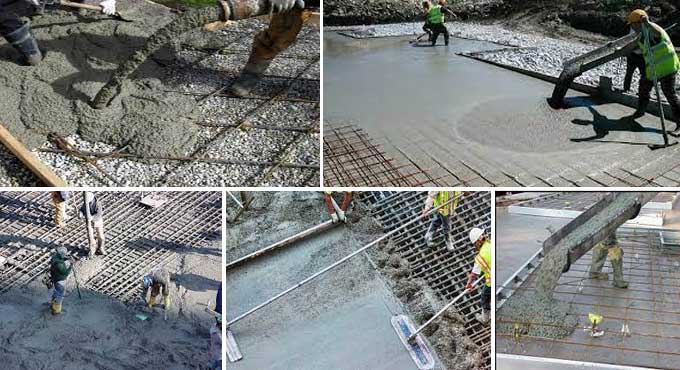
Table of Contents
- A. Concrete Placing
- 1. Avoiding Segregation
- 2. Aiding Compaction
- B. Precautions of Concrete Placing
In this article, we will discuss concrete placing.
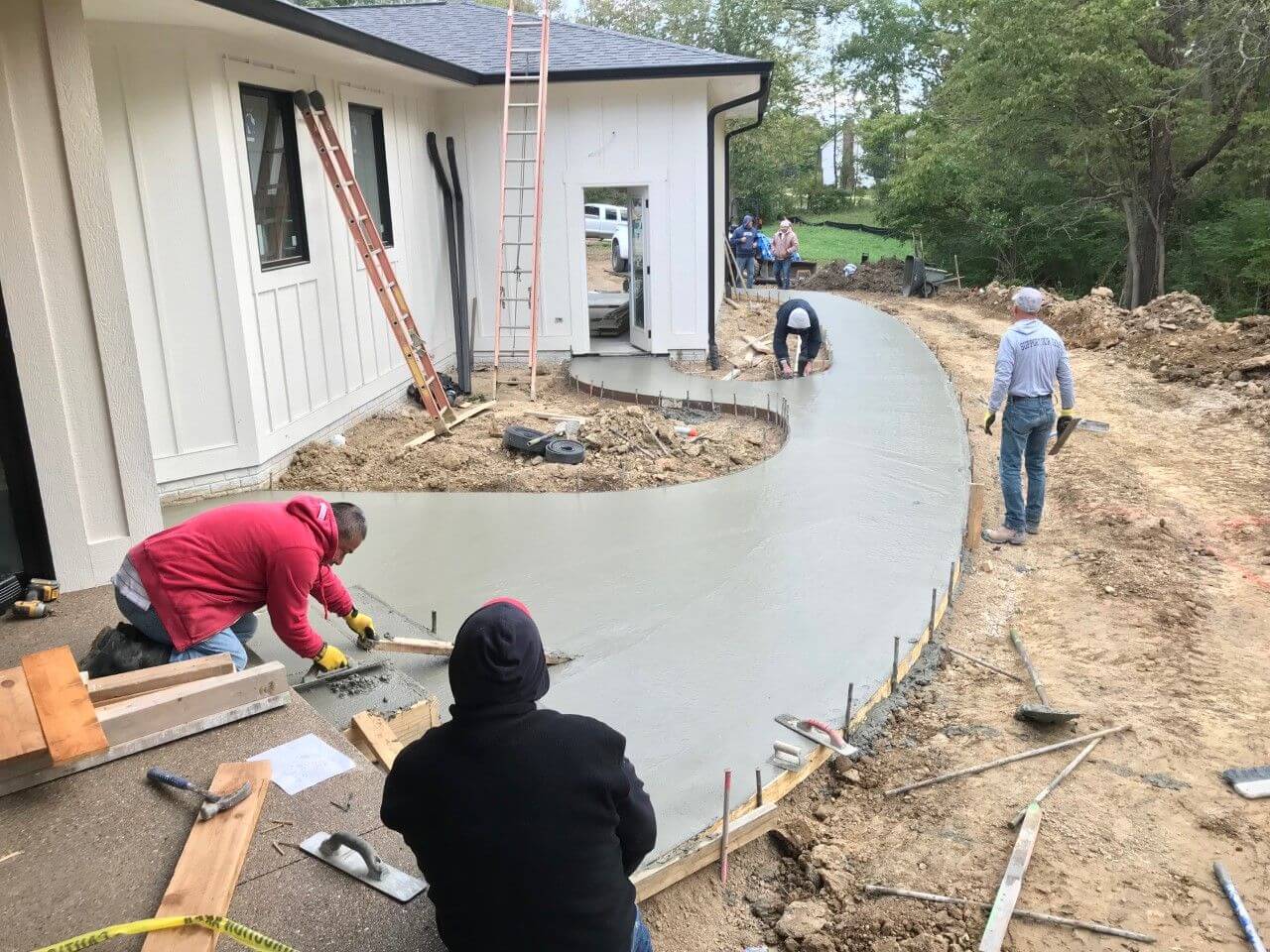
Concrete placing may be defined as the process of pouring concrete into the formwork to have a defined shape and size.
Concrete placement is an essential process in construction that defines the success of the structure and its life. Technical and environmental needs are carried into tough care while setting the concrete.
A. Concrete Placing
Here are 2 things you need to take care of while concrete placing listed below:
1. Avoiding Segregation
The considerable practices for ignoring segregation at the time of placing concrete, in any element, are:
a. Concrete must be positioned vertically and closely as much as feasible to its final position.
b. It should not be completed to flow into position. Where concrete must be transported it must be shoveled into the final position.
Other techniques for neglecting segregation at the time of placing rely on the type of element being created and on the type of distribution equipment being employed.
For concrete placing of flat work and slabs incorporating ribs and beams (i.e. shallow forms), the techniques shown below should be considered.
For concrete placing of walls and columns (i.e. deep, narrow forms), problems arise when the concrete is poured from a height and bounces off the reinforcement and forms faces, outcoming in segregation.
The means of evading this vary with the type of distribution equipment being employed as shown in the figure below.
2. Aiding Compaction
To assist in subsequent compaction of the concrete, care should be carried to place concrete in layers that are of a suitable depth for the compaction gear.
Layers that are too deep make it virtually unfeasible to sufficiently compact the concrete, leaving entrapped air that will make voids and blow holes in the surface of the concrete, and prevent it from achieving its potential durability and strength.
The two main types of compaction equipment are immersion (poker) vibrators and vibrating-beam screeds. The effective radius of action of an immersion vibrator relies on its frequency and amplitude.
The standard sizes available in normal concrete construction work include a radius of action between 200 and 350 mm. This means, in practice, concrete should be positioned in uniform layers varying from 250 to 400 mm, relying on the vibrator employed.
To ensure each layer is correctly melded together, the vibrator should penetrate about 150 mm into the lower layer as shown in the figure below.
B. Precautions of Concrete Placing
The precautions that need to be carried out during concrete placing are as follows:
1. During placing, it should be observed that all edges and corners of the concrete surface stay unbroken, sharp, and straight in line.
2. As far as possible, the concrete should be set in a single thickness. In the case of deep sections, the concrete should be placed in successive horizontal layers and proper care should be carried out to develop sufficient bonds between successive layers.
3. It is hoped to prepare concrete as near as practicable to its conclusive position.
4. Large quantities of concrete should not be deposited at a time. Otherwise, the concrete will start to flow along the formwork and consequently, the resulting concrete will not have uniform composition.
5. The concrete must be poured vertically from a proper height. For vertical laying of concrete, care must be carried to employ a stiff mix.
Otherwise, the bleeding of concrete through cracks in forms will occur. The term bleeding is employed to convey the diffusion or running of concrete through formwork.
6. The placing of concrete should be carried out uninterrupted between predetermined construction joints.
7. The concrete should be deposited in horizontal layers of about 150 mm in height. For mass concrete, the layers may be 400 mm to 500 mm in height.
The collection of surplus water in upper layers is known as the laitance and it should be controlled by employing shallow layers with a stiff mix or by placing dry batches of concrete to soak the surplus water.
8. The concrete should be simply worked around the reinforcement and tapped in such a way that no honeycombed surface occurs on the disposal of the formwork. The term honeycomb is employed to indicate a comb or mass of waxy cells initiated by bees in which they hold their honey.
Hence, if this precaution is not considered, the concrete surface so formed would have a honeycomb-like surface.
9. The concrete should be positioned on the formwork as soon as possible. But in no case, it should be positioned after 30 minutes of its preparation.
10. The formwork or the surface which is to obtain fresh concrete should be adequately cleaned, prepared and well watered.
]]>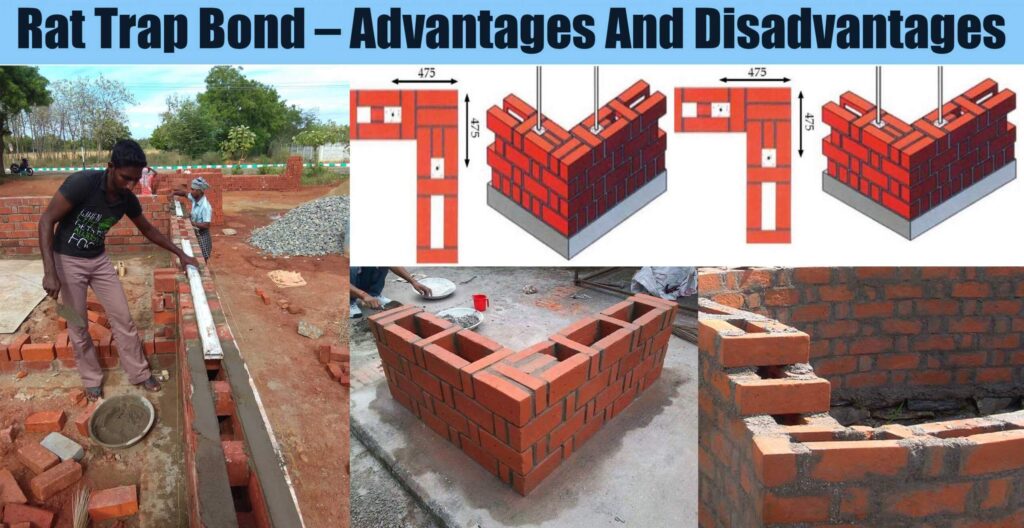
This is one of the wall constructing method of brickwork on wall construction. This method is having slight differences while placing bricks during brickwork; furthermore, it is working on a void making principle.
It means there is space between two blocks when placing on layer. Bricks position in this method is vertical, so brick face with fog remains remain inner face where hollow space created due to the upright position of the bricks.
This kind of new pattern of bricklaying introduced by Mr.laurie Baker in the 1970s in Kerala. The primary purpose of this idea was to draw down cost in the material in construction as much as possible moreover, parallelly, it decreased in material requirements, and also it provides excellent thermal efficiency when it compares to the older pattern of brick masonry.
The main thing that needs to note down is that due to this method, the strength of the wall not affected.
How to Use Rat Trap Bond Method Practically?
- This method is less prominent due to people accustomed to the conventional way of brickwork. At present, these types of masonry construction are new in many areas.
- In this type of bricklaying pattern, bricks are situated on edges; hence face with fog remains inside of the wall, and it built a small rectangular section of four blocks.
- Due to this, the wall has an inside void or free space, which plays a vital role in getting effective thermal insulation inside the room.
Advantage of Rat Trap Bond Method
Here, the pros of rat trap bond methods are as follows.
- This method is adaptable on the basis of its less consumption of construction material means it provide benefits in material costing.
- This method consuming roughly 30% fewer bricks moreover 50% less mortar compare to conventional masonry.
- Most people avoid using this method due to the unawareness of this method. However, the strength is as equal as an old method of bricklaying.
- If considering the main benefit of this method is thermal insulations, it is beneficial to decreased room temperature, and it reduces electricity costs.
- This way of bricklaying method is playing a crucial role in resisting heat and cold in both weather conditions.
- This bricklaying pattern in the construction is eye-catching from both inside and outside of the wall; the plastering process is avoidable if it is not necessarily
- Well, this brick laying method also used in partition wall; moreover, even capable of holding a load on it means its load-bearing capacity is not affected.
- This way is very well useful in case of decreasing material cost; It reduces material consumption, which results in cost saving in the construction budget.
Disadvantage of Rat Trap Bond
Here, the cons of rat trap bond methods are as follows.
- This way of construction is not capable of resisting sound. Hence, the soundproof wall is not possible b this way.
- Mason has to be careful while laying bricks. Extra care must be taken while designing the wall length and heights for a structure.
- Pre-training required if workers are not familiar with this pattern of bricklaying, if not possible, then hired experienced workers; hence the cost of a worker may increase.
Points to Be Considered in Construction for Rate Trap Brick Bonds
Following Care Should Be Taken While Using This Pattern:
- Firstly, the quality of bricks is always checked before used, quality with regular size, and even sharp edges.
- The surface layer or first bottom layer and last or topmost layer of the wall should be solid where no use of vertical bricks.
- Other areas, like sill and lintel levels at opening or sides of opening have to be solid, so it is easy to provide strength to fix frames for door and windows.
- If the building requires more power than we can adopt reinforcement bars to place vertically at hollow space and corners and also at around openings of doors to resist earthquake effects o building.
- In this case, advanced planning and smart work required to installed electrical appliances and plumbing pipes.
- Sum up all things, this way of construction has overall cost in saving on cost is about 25% of a used by building value by traditional 9inch brickwork construction.
- As per the experiment or survey, 350 bricks per CFM in the old method, while in this, it required only 250 blocks; moreover, mortar consumption also decreased, so it affects the building budgets directly.
FAQ
Rat Trap Bond
Rat trap bond is a brick masonry method of wall construction, in which bricks are placed in vertical position instead of conventional horizontal position and thus creating a cavity (hollow space) within the wall.
What Is Rat Trap Bond Used For?
Rat trap bond is a brick masonry method of wall construction, in which bricks are placed in vertical position instead of conventional horizontal position and thus creating a cavity (hollow space) within the wall.
Is Rat Trap Bond Load Bearing?
Walls constructed using rat trap bonds can be used both as load-bearing walls as well as thick partition walls. Rat trap bond technique is relatively durable and maintenance cost is also lower
Rat Trap Bond Masonry
Rat trap bond is a modular type of masonry bond in which the bricks are placed in a vertical position, creating a cavity in the wall while maintaining the same wall thickness as the conventional brick masonry wall. It is also known as a Chinese brick bond.
Who Developed Rattrap Bond?
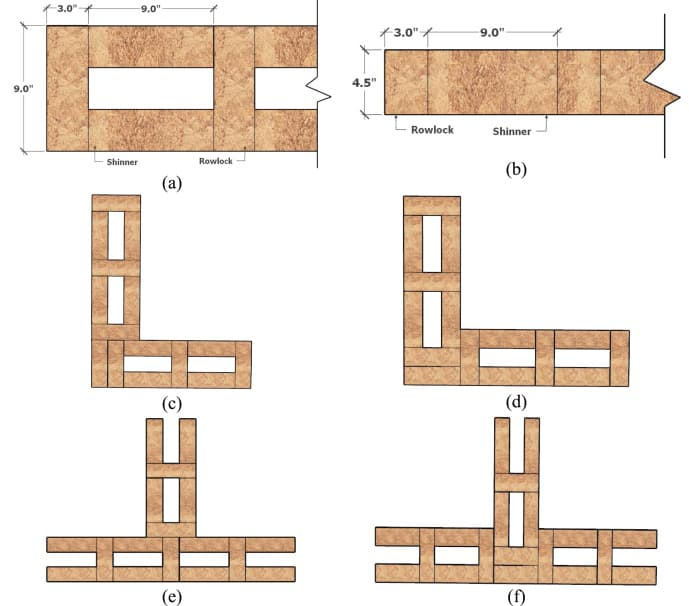
The rat-trap bond was invented and popularised the famous architect Laurie Baker. This system uses bricks-on-edge with a cavity behind every facer brick. Each course of brickwork is 115mm high, comprising of two parallel facers followed by brick placed at 90o to lock the bond. In the next course, the vertical mortar joints are broken by spanning the cavity at its centre with the locking brick. T and L junctions are made solid by filling the cavity with a brick-on-edge. Horizontal courses of brick-on-edge may be taken below the damp proof course (DPC), or at lintel and roof levels to provide horizontal tying. For every 230mm height of brickwork, there is a saving of one layer of mortar.
Rat Trap Wall
Rat trap bond is a brick masonry method of wall construction, in which bricks are placed in vertical position instead of conventional horizontal position and thus creating a cavity (hollow space) within the wall.
Rat Trap Bond Wall
Rat trap bond is a modular type of masonry bond in which the bricks are placed in a vertical position which creates a cavity in the wall while maintaining the same wall thickness as that of the conventional brick masonry wall. It is also known as a Chinese brick bond.
Rat Trap Bond Plan
Advantages of Rat Trap Bond
Here, the list of Rat Trap Bond Advantages are as follows.
- Requires approximately 25% less bricks and 40% less mortar than traditional masonry.
- Reduced material requirement results in considerable cost saving.
- Strength of wall is not compromised, it remains same as traditional masonry wall
Rat Trap Bond Brickwork
Rat trap bond is a brick masonry method of wall construction, in which bricks are placed in vertical position instead of conventional horizontal position and thus creating a cavity (hollow space) within the wall.
Rat Trap Bond Uses
Strength of wall is not compromised, it remains same as traditional masonry wall. Cavity induced in wall provides better thermal insulation, resulting in cooler interiors during summer and warmer interiors during winter.
Rat Trap Bond Elevation

Rat Bond Brickwork
Rat trap bond may be defined as the type of modular masonry in which the bricks are placed in a vertical position such that a cavity is formed in the wall while the thickness is maintained the same as that of the conventional brick wall masonry.
Rat Trap Bond Construction
The rat trap bond construction is a modular type of masonry construction. In this type of brick, masonry bricks are placed on edges making visible the shinner and rowlock.
Thus 110 mm face is exposed from front elevation (for brick size of 230mmx110mmx75mm). This gives the wall an internal cavity that provides effective thermal insulation.
Rat Trap Construction
Rat trap bond is a modular type of masonry bond in which the bricks are placed in a vertical position which creates a cavity in the wall while maintaining the same wall thickness as that of the conventional brick masonry wall. It is also known as a Chinese brick bond.
Rat Trap Bond Disadvantages
- It does not provide good sound insulation.
- Extra care must be taken while designing the wall length and heights for a structure.
- It requires trained masons, otherwise wastage of mortar falling into the cavity.
Rat Trap Bond Houses
The older rat trap bond houses dating from the 1930s mostly are I suppose 9″ construction without timber sub walls. It gets really hot in summer and equally cold in the winter. 0 or even -degrees Farenheight is not unknown here and it routinely gets over 100 in the summer but as we are up in the mountains it cools down quickly in the evenings.
Rat Trap Brick Wall
On average a rat trap brick wall needs cleanness of external surface (if not plastered) every three years.
Rat Trap Bond in Brick Masonry
Rat trap bond is a brick masonry method of wall construction, in which bricks are placed in vertical position instead of conventional horizontal position and thus creating a cavity (hollow space) within the wall.
Rat Trap Bond Brick Size
The bricks are placed in vertical position, so that 110 mm face is seen from front elevation, instead of the 75mm face (considering brick of standard size 230 X 110 X 75 mm). Since width of wall remains 230mm, an internal cavity is created.
]]>
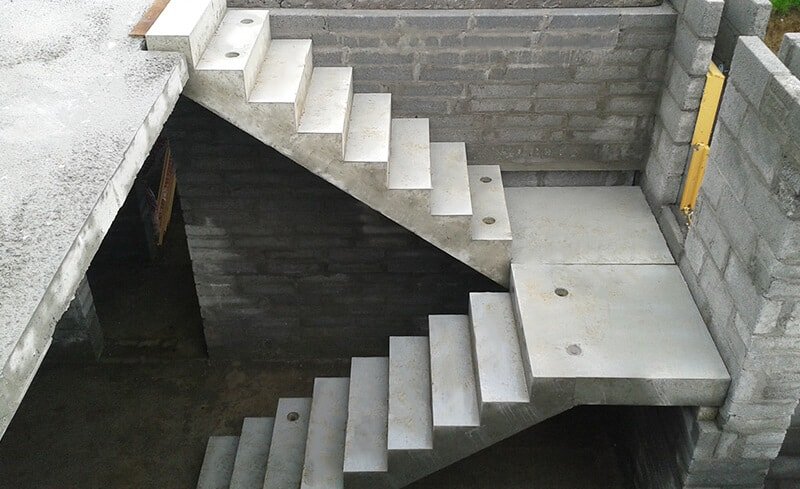
Stair is simply a structural member that gives vertical access from one floor to another. Stairs are placed in a house for safe and convenient access of occupants from one floor to other. Stair consists of small series units known as steps.
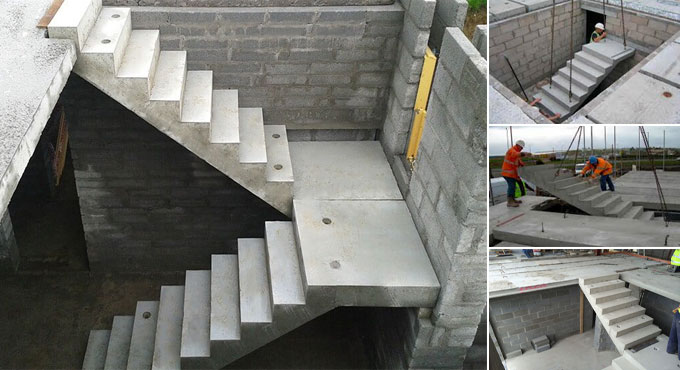
Stairs are made of concrete, stone, wood, steel or combination of any of these. They are either build/constructed on site or are prefabricated/precasted and placed on site. Here, we will focus on precast concrete stairs.
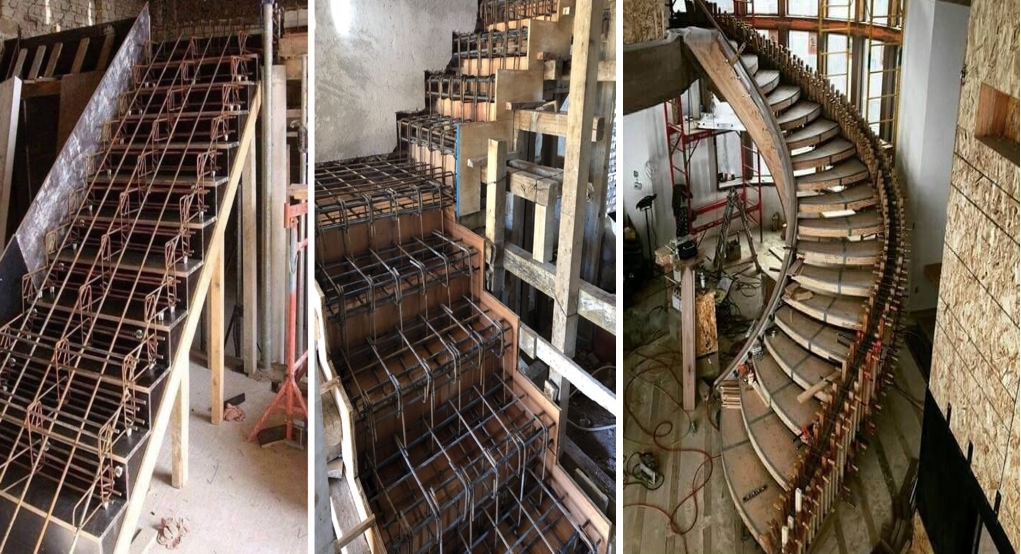
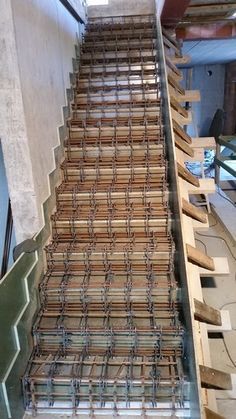
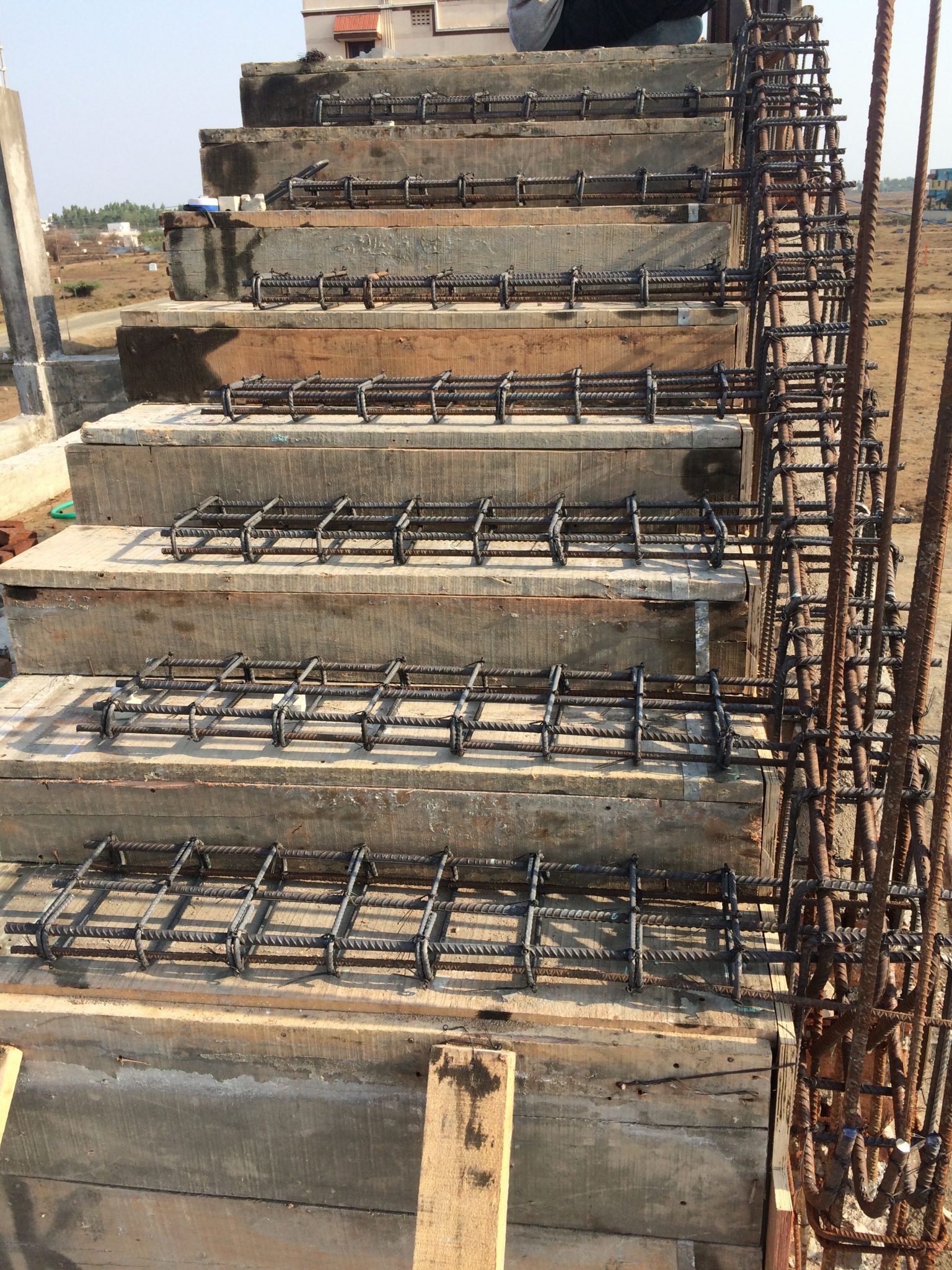
Precast concrete stair, made up of reinforced concrete is one of the best options to eliminate the trouble of adjusting the number of steps, rise, run and width of each stair flight.
They are available as:
- A single precast unit containing all the flights and landings
- Separate precast flights and landings
- Parts of the flights and landings are made in one unit
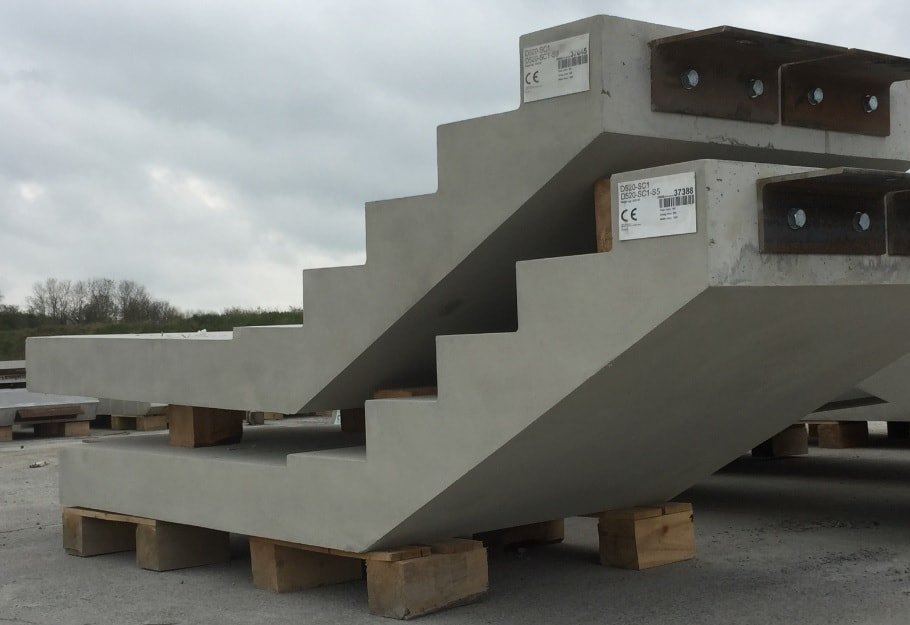
They provide safe, solid and instant vertical access during construction and a safe base for attractive finishes in the completed construction. Concrete stairs significantly reduce noise caused by people moving around a house. Concrete stairs and landing slabs, fitted along with concrete floors are provided with an appropriate handrail for safe vertical access to floors.
Common types of step units:
- Rectangular cantilever steps
- Spandril cantilever steps
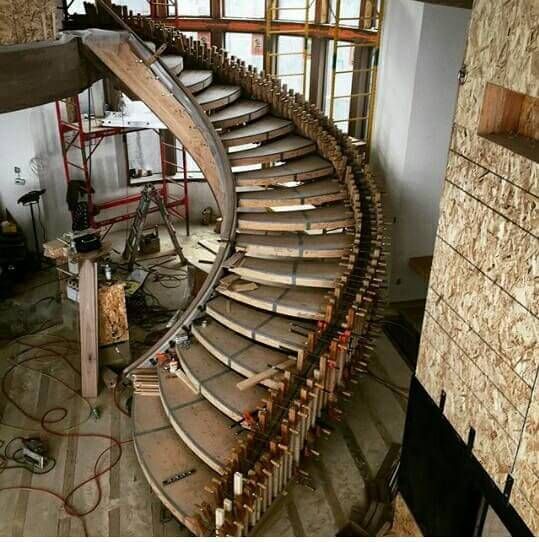
- Sector shaped cantilever units (used for open riser spiral stairs)
Features of Concrete Stairs:
01. Speed and Ease of Installation:
As stairs are readily available, it saves construction time. They are to be brought and fixed. Once fixed perfectly they are ready to use.
02. Safety:
Concrete stairs provide safer access to different floors during construction than ladders or other temporary systems.
03. Surface Finish:
As these stairs/steps are mould in high-quality timber or steel, the open surface is troweled to give sleek finish.
04. Attractive:
Concrete gives resilient, solid, durable base for attractive finishes like timber, stone, tiles or any other finish to be added.
05. Size:
Off-site construction of precast stairs ensures dimensional tolerances (i.e. minor variations).
06. Fire Resistance:
As they are made of concrete, they resist fire.
Benefits of Precast Concrete Stairs:
- The monolithic (as one unit) top and bottom landings eliminate the need of forming landings on-site.
- Advanced mechanical connection, speeds the installation process along with eliminating the need of propping (temporary supports).
- Precast stairs are designed and manufactured to any specific floor height and application.
- These are durable and maintenance free.
- Eliminates the need for temporary stairs during construction.
- Safety rails and handrail can be pre-installed prior to installation.
- Better quality control.
- Positioned and fixed by semiskilled labour.
Limitation:
Additional care is needed to achieve monolithic joints between precast stair elements and cast in situ structural elements (i.e. precast stairs should be positioned properly and match with other cast in situ structural elements.
]]>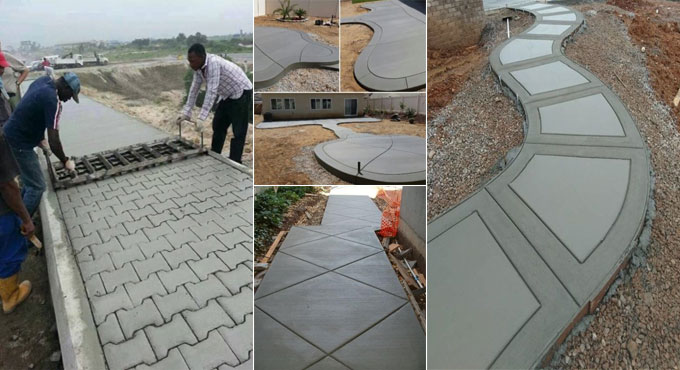
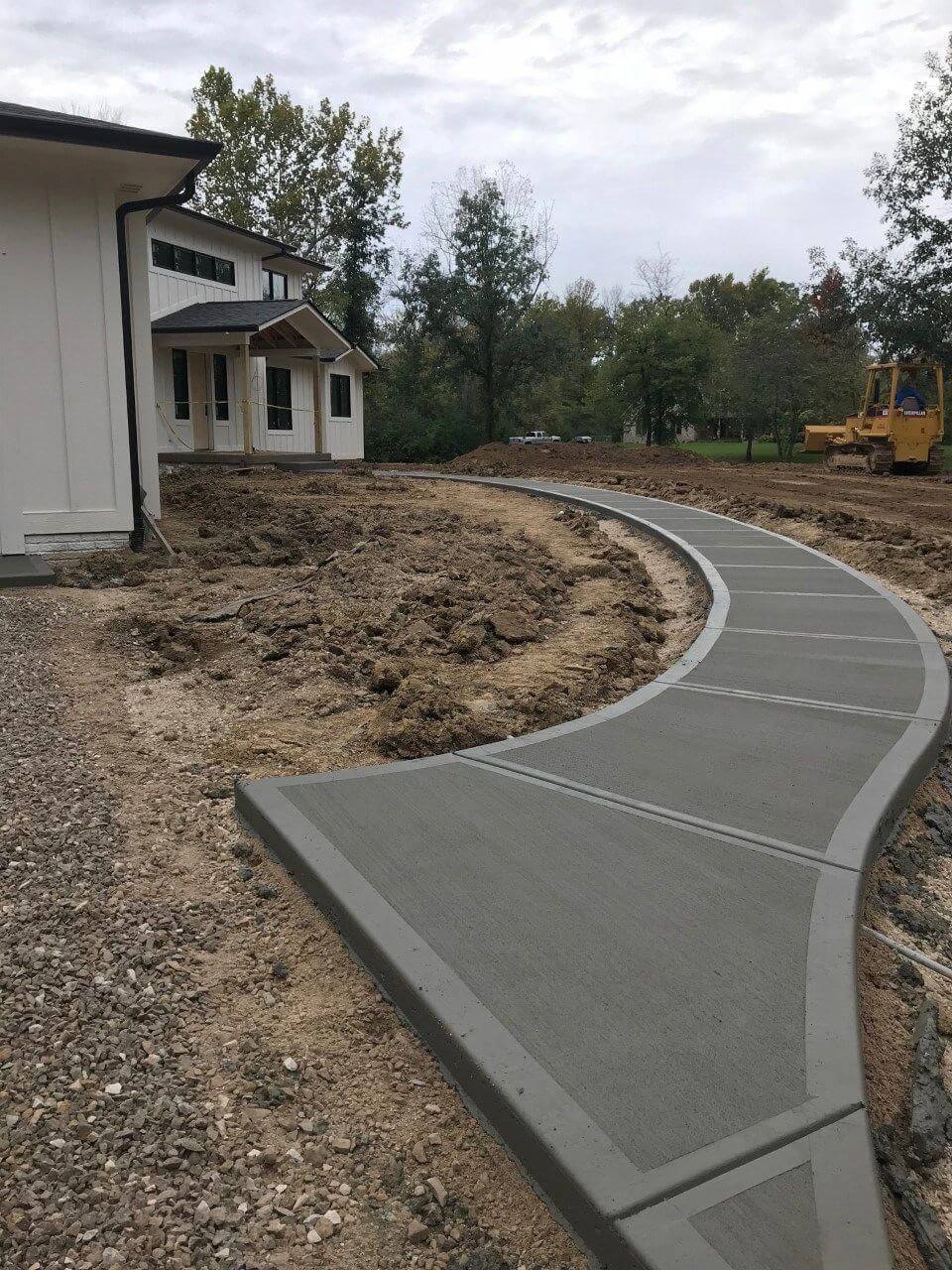
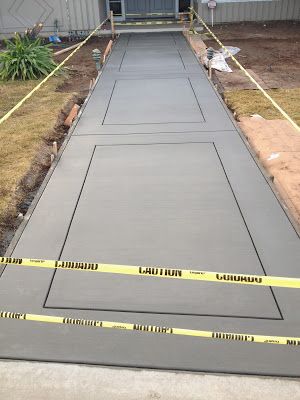
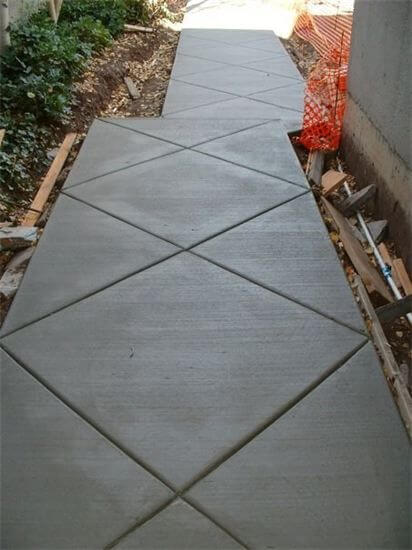
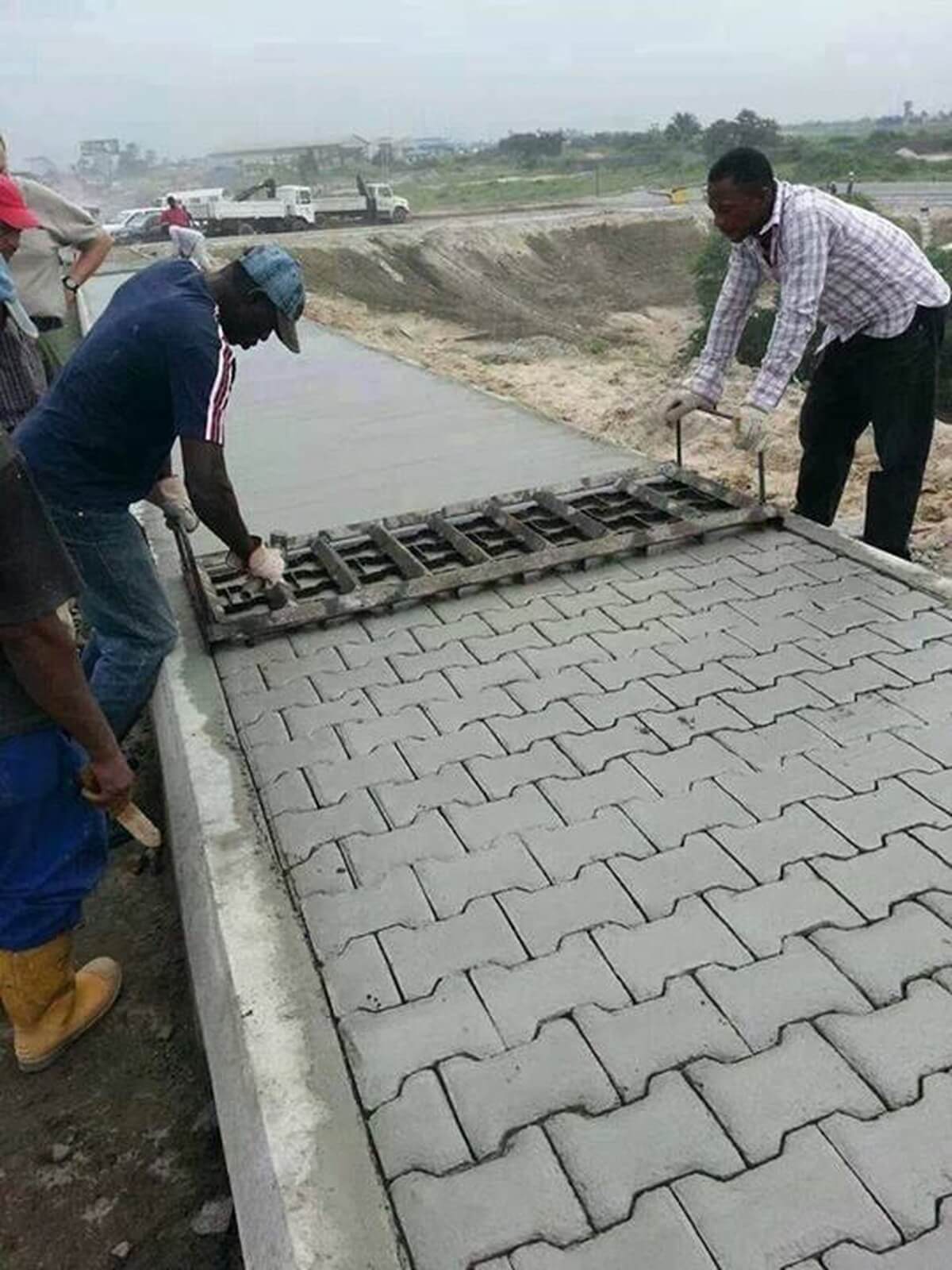
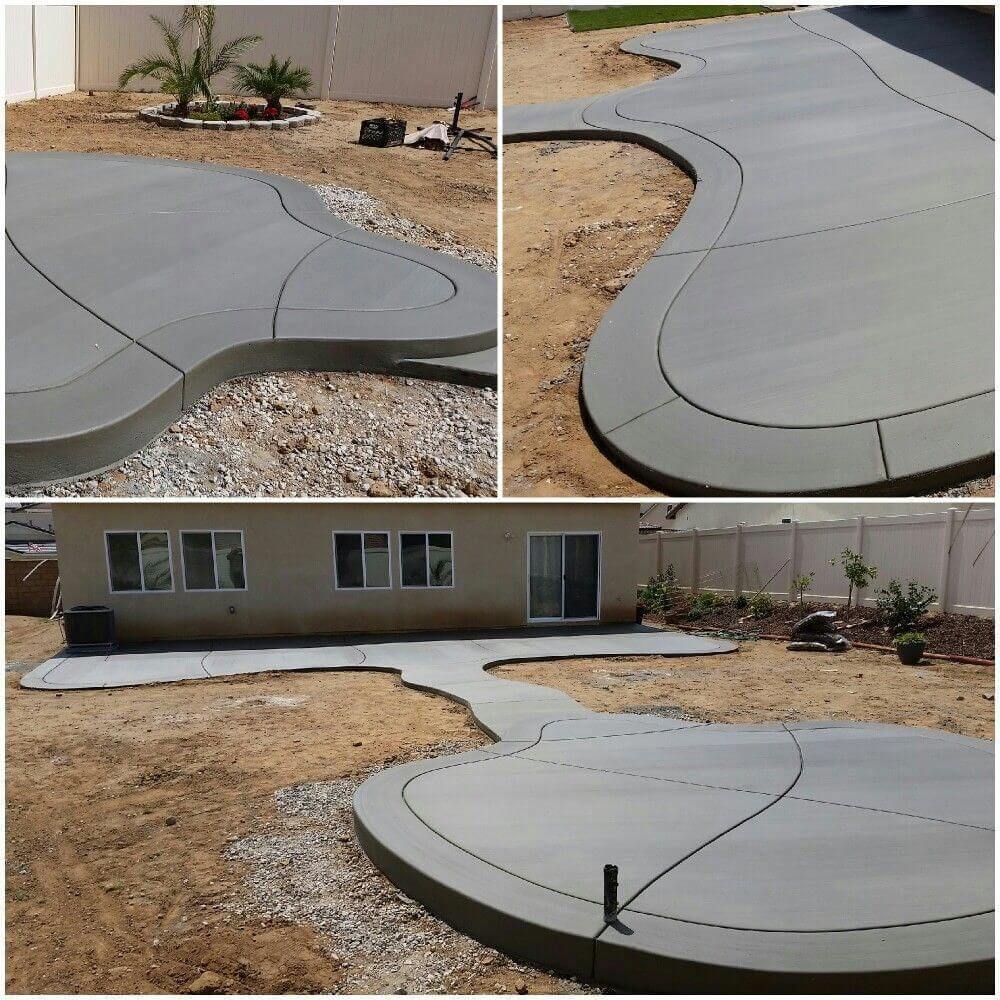
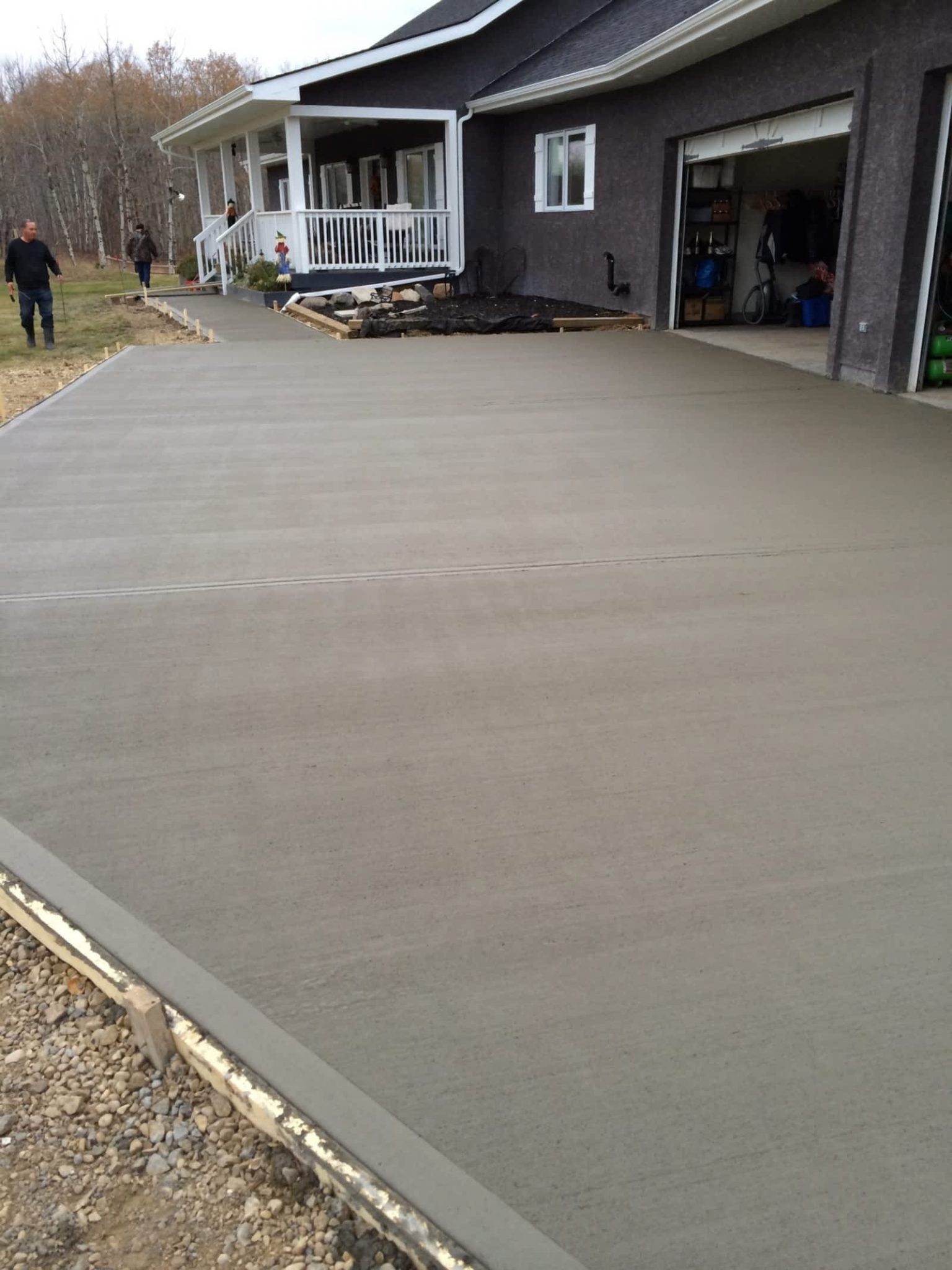
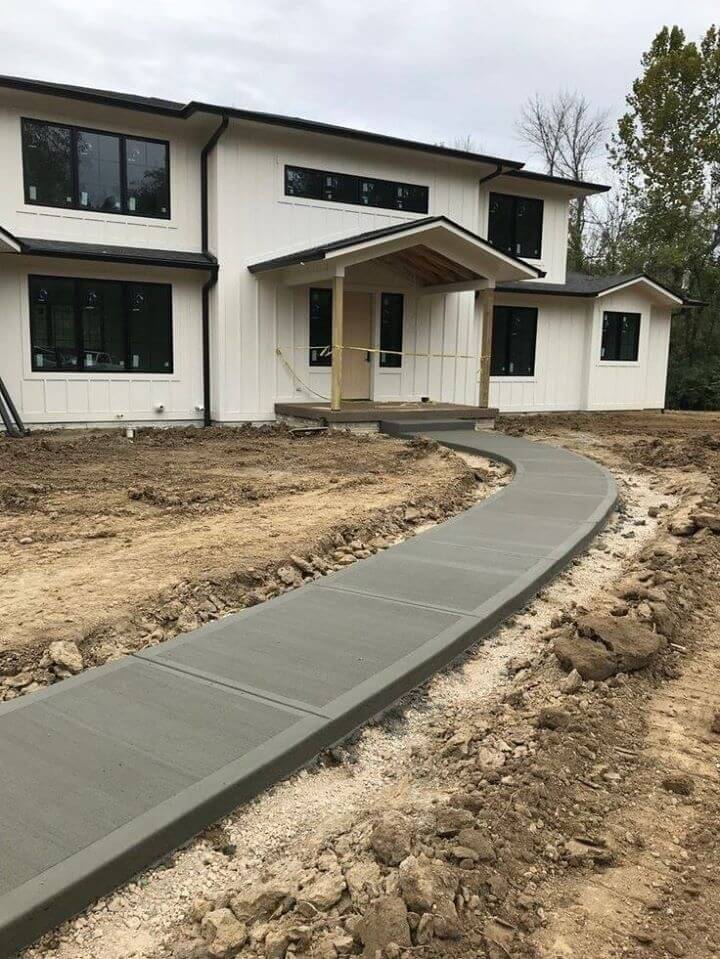
Concrete is among the highly useful paving as well as building materials currently, however for a while it was even unfortunately restricted in regards to design as well as look. In the past few years, though, there has been a massive spread of novel attractive concrete designs, going from reasonable (although fashionable) to top-notch with cool designs.
The objective of attractive concrete designs is to provide the natural material or prevailing style a complete restyling, bringing an attractive novel area exclusive of the outlay of changing the concrete.
Concrete designs are among the sizzling latest styles for concrete floors, concrete patios, countertops, pool decks, entrances/entryways, etc. From spacious new places to live/houses having elegant concrete sidewalks/driveways to reasonable single room redesigns exhibiting a fabulous, colored concrete floor, the fascination is persisting to rise in respect of utilizing concrete in terms of beautifying.
Furthermore, concrete is no more simple, grey as well as common; it is currently referred to as an attractive and magnificent component.
Nowadays, designers, constructors, as well as home owners understand the significance in utilizing concrete in their plans as well as designs. Moreover, decorative concrete renovates conventional grey concrete into pleasant brown floors, magnificent late patios, as well as weather resistant exterior kitchen countertops, as examples.
Decorative cement concrete allows one to choose which shade of red will provide one with that Spanish tile appearance on one’s poolside terrace just about half the outlay, as well as what special souvenirs one would wish to set in one’s novel concrete countertop kitchen island.
The developments in concrete stains, concrete tools as well textures, designs as well as colors created concrete the highly useful, long-lasting as well as economical material in the marketplace.
One can obtain a hint of in what way/how custom decorative concrete could be utilized in one’s office or house. Also, one can gain comprehensive information on each characteristic comprising stamped concrete, colored concrete, stenciled concrete, painted concrete, etc.
However, one must think about the following design aspects before choosing the decorative concrete’s material that one plans to utilize in one’s home.
- Polish Design/Finish
- Shade/Color
- Stamp Style/Design/Look
- Exposed Aggregate Concrete Design/Exposed Aggregate Style/Design/Look
- Stain Style/Design/Look
The best way to check the solid and what to search for before you start your solid completing procedure. Beginning too soon or past the point of no return can bigly affect how hard you need to function and how positive or negative the ultimate result is.
]]>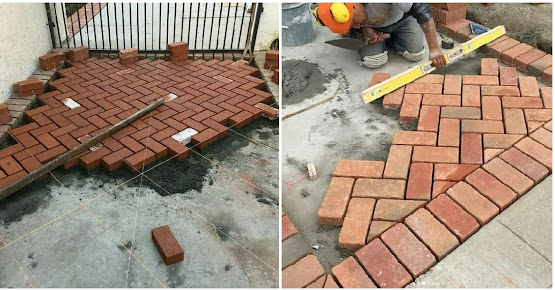
Interlock tiles are a type of tile composed of chemically treated concrete. It is a concrete tile that is compacted without the use of cement mortar, but rather installed directly on top of compacted sand. The reason for this is its interlocking method and relying on its weight in its balance and non-movement. The tiles overlap each other so that they can be removed and reinstalled Install it when needed.
Among its most important features is that: Interlock tiles can withstand high pressures and loads of 250: 300 kg / cm2, and it is possible to carry out a load bearing force of 400: 450 kg / cm2. * The thickness of the piece ranges from 4-8 cm according to the request and according to the required pressure and use Its extreme abrasion resistance is less than 0.5mm with a water absorption rate of less than 4%, making it suitable for standard applications such as airports and gas stations.* Interlock tiles are made of washed sand with high cement proportions.
implementation methodFirst: The geometry and type of tiling required for the paving process are chosen, in order to determine the required tiles and their quantitySecond: The soil is scraped at a distance of 40 cm from the required level, that is, the site is cleaned well from any unclean materials such as stones or construction waste. Your blood coefficient is 97%, but if it is for times, then we replace the base-course layer with a layer of sand, which is coarse sand, in which the percentage of gravel does not exceed 10%. After leveling the natural land according to the required levels and inclinations, i.e. the budget is made for the floor and the inclinations are determined with threadsTALTA: The bezel surrounding the interlock surface or area is made according to the plan or description, where the bezel specified for the interlock surface can be made of rubble, refractory bricks, bricks, or concrete. The burial layer (sand layer below the tiles) is placed within the limits of 5:7 cm, and the sand must be red, clean, free of stones, and it is sprayed with water well and spread out, then it is compacted and leveled well by means of an aluminum beam or stump to obtain a flat surface under the tilesFourth: The water balance is used to ensure a good flow of water, making inclinations towards the street, after that the tiles are installed directly on the burial, and the boilers (parts of the tiles) are installed, and after the completion of the tiling, clean sand is sprinkled.Finally, the surface that has been tiled is cleaned.
]]>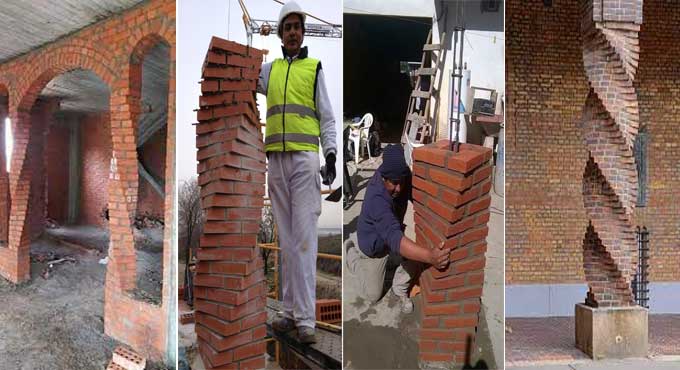
When each course is plumbed and leveled as you go, brick columns typically take a long time to construct. It is much easier to notice a bit of a deviation when you set up jack lines, but you still need to plumb and level. As far as laying out twisted brick columns is concerned, it is a little more challenging, but once you begin laying, it is much more enjoyable.
The timeless, classic aesthetic of brick columns can be added to any property. Building your own brick column can be a fairly straightforward process if you have some masonry experience, whether you need one for decorative purposes or for structural support.
In general, the basic idea remains the same regardless of the structural requirements and dimensions of the column you choose.
Twisted Brick Column Construction Process
It is your idea to build a nice pool house on a twisted brick pier. There will be two more courses of construction after the top of the pier is squared off.
If the first and last courses are square with each other and with the structure, a column will appear proper. Taking a few measurements will allow you to calculate how to square the column once you have it squared. In order to determine the height of the span from a footing or slab to a soffit, first you must know its height. There is generally an 8 to 12 foot height range for spans.
How to Calculate Twisted Brick Column
A height of 8 feet translates into 36 courses, a height of 10 feet translates into 45 courses and a height of 12 feet translates into 54 courses.
You will see in a moment that at a distance of 8 feet 8 inches, there are 39 courses, making figuring out the degrees of each twist a bit tricky.
There are four possible twists on the column: 90 degrees, 180 degrees, 270 degrees, and 360 degrees. The full column in this example will have three twists from bottom to top, or 270 degrees.
The 54 courses will also need to be piled up at a height of 12 feet. In mathematics, 270 degrees divided by 54 courses equals to 5 degrees of twist per course.
You can mark the pier’s center at 5 degrees using a speed square or protractor. It is pretty simple if you use a speed square: place its pivot in the middle of the pier’s span.
You can turn the pier 5 degrees by rotating the speed square on the pivot and marking on the scale along the hypotenuse. It is extremely easy and you can determine the height, the number of courses, and how many twists you need, as well as build any twisted column you like.
Twisted Brick Column Limitation
The steel can be plumbed off the outside of the current course when building a larger twisted brick column where you are wrapping a structural column. There is no substitute for stepping back and reviewing your work, as this thick layer can spot out of plumb from a mile away.
Difference between Twisted Brick Layer & Twisted Brick Pier
The layout of a twisted brick column and a twisted brick pier differs, and a column is not the same as a pier.
When it comes to columns, they need to be square with their respective roofs or soffits, but a pier can be twisted as much or as little as one wants, with the top of the pier being forgiving even if it is twisted.
Twisted brick columns and twisted brick piers can be laid out in one way, and they differ from one another. There is no tolerance for twisted piers, but columns need to be square with the roof or soffit.
]]>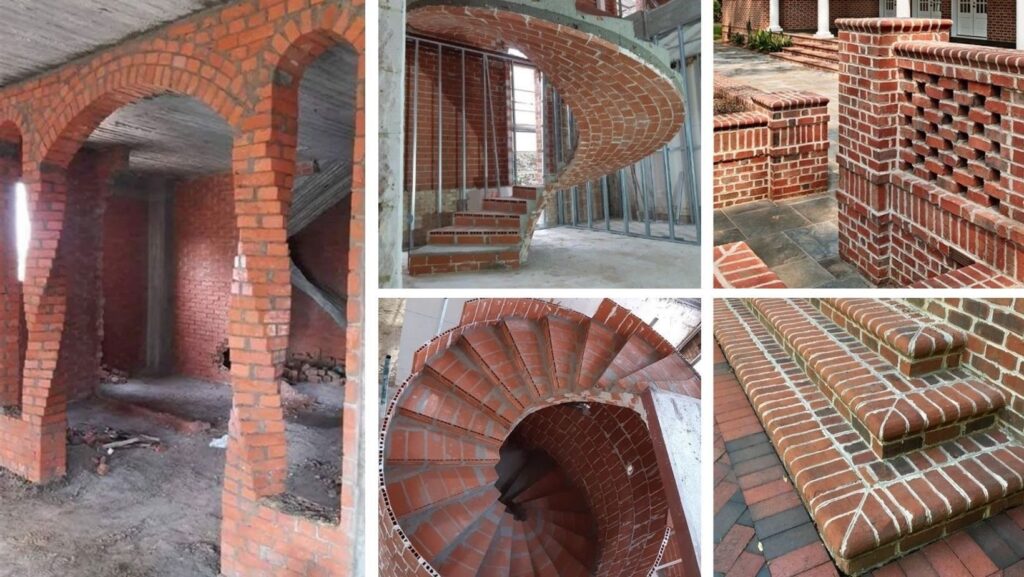
Creative Methods of Bricks Used In Construction
#1

#2

#3

#4

#5

#6

#7

#8

#9

#10

#11

#12

#13

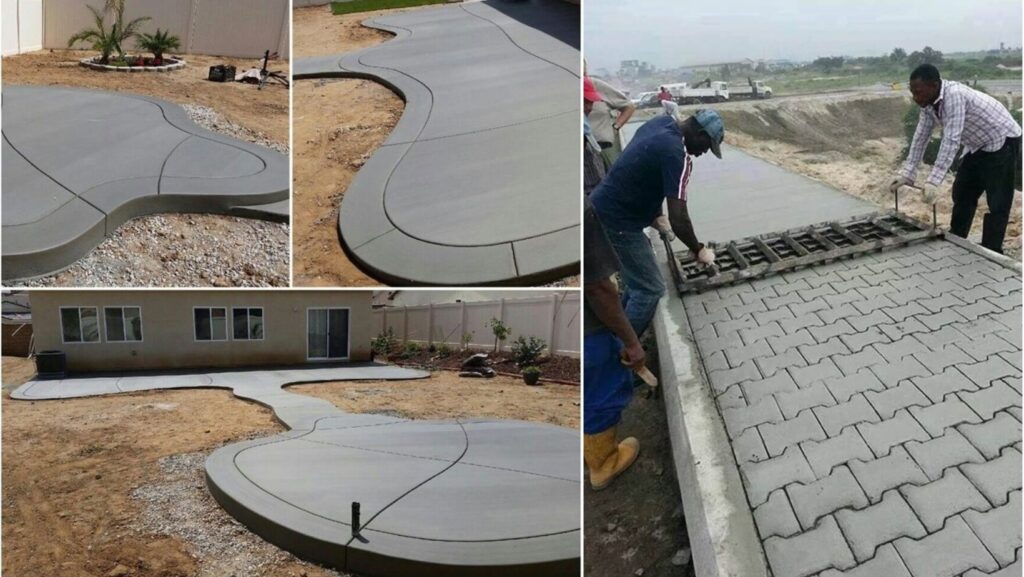
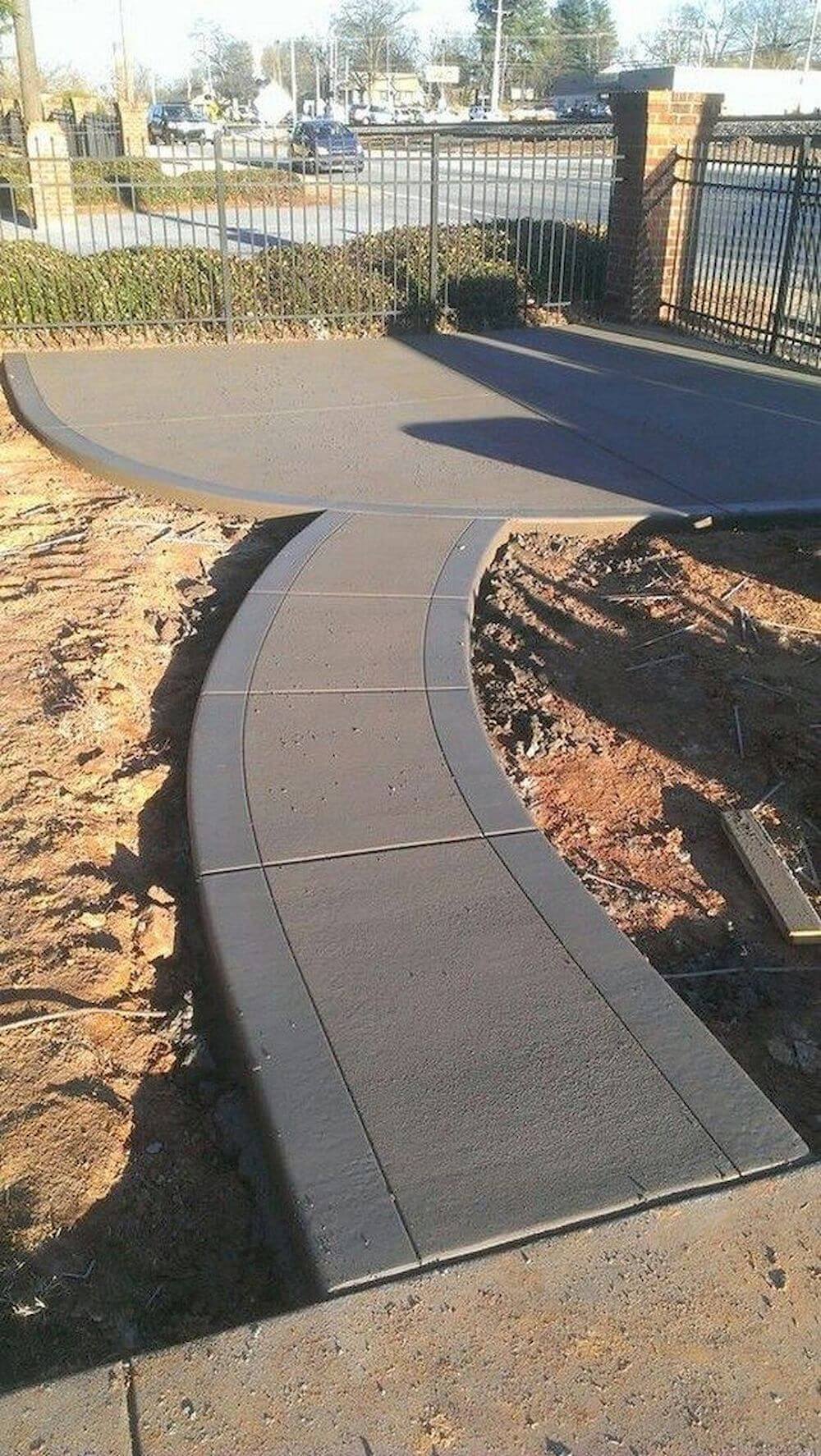
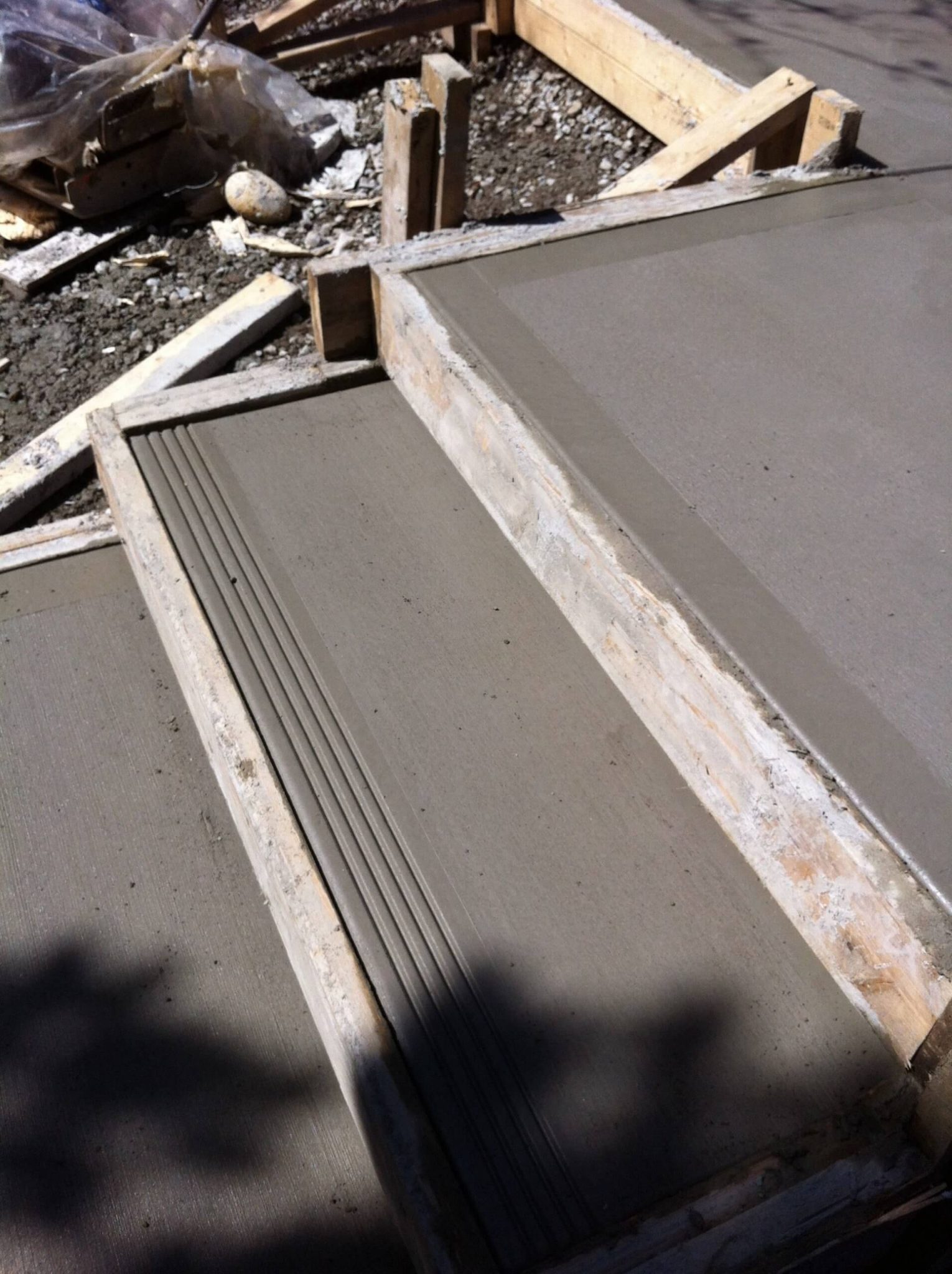
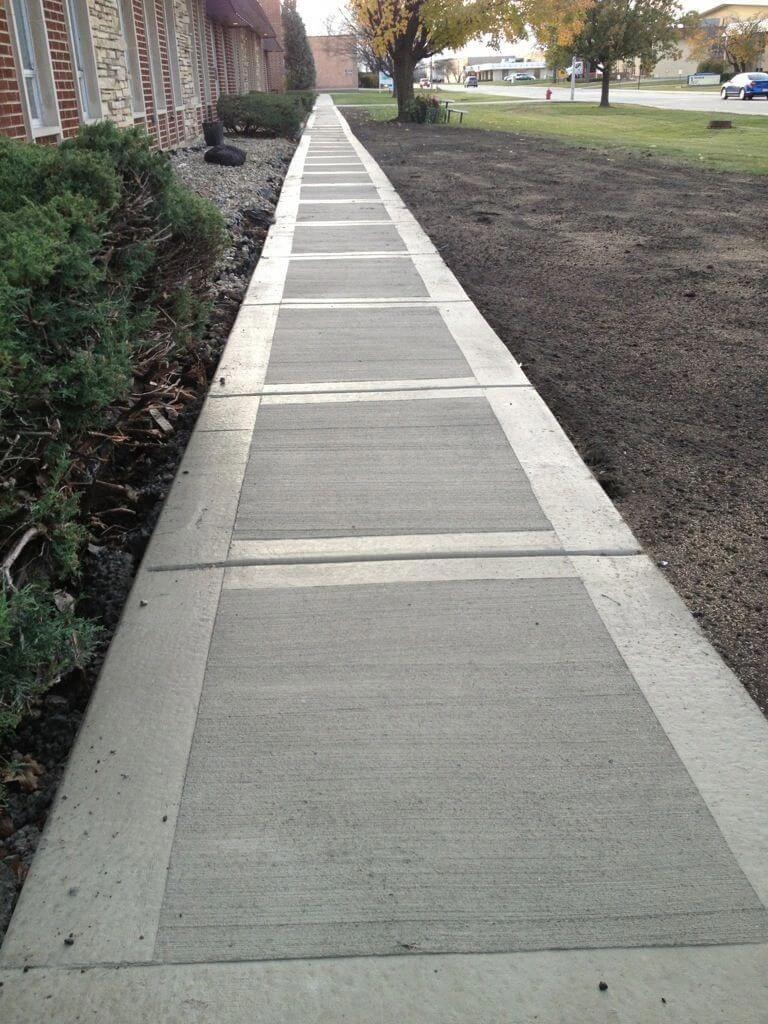
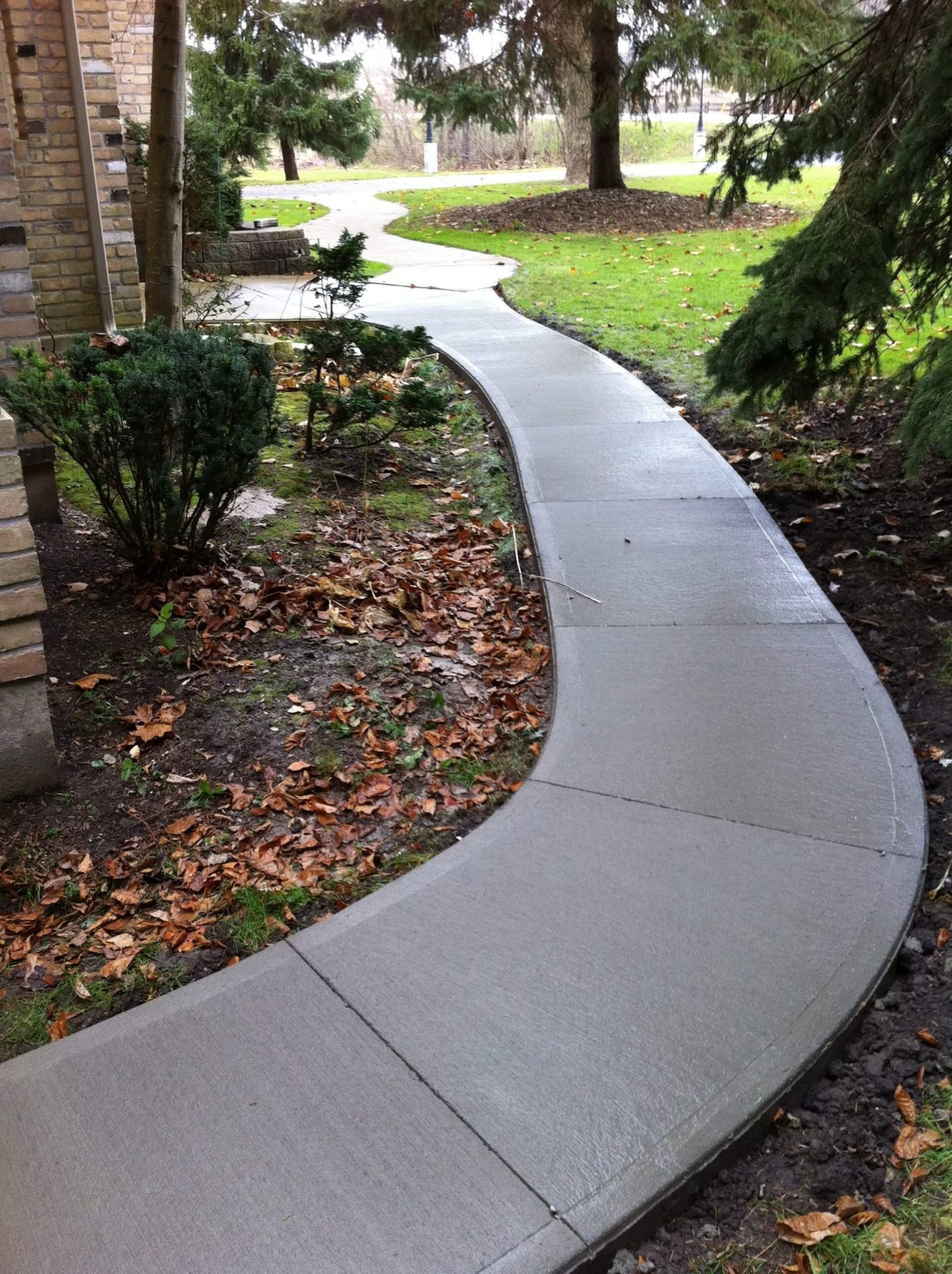
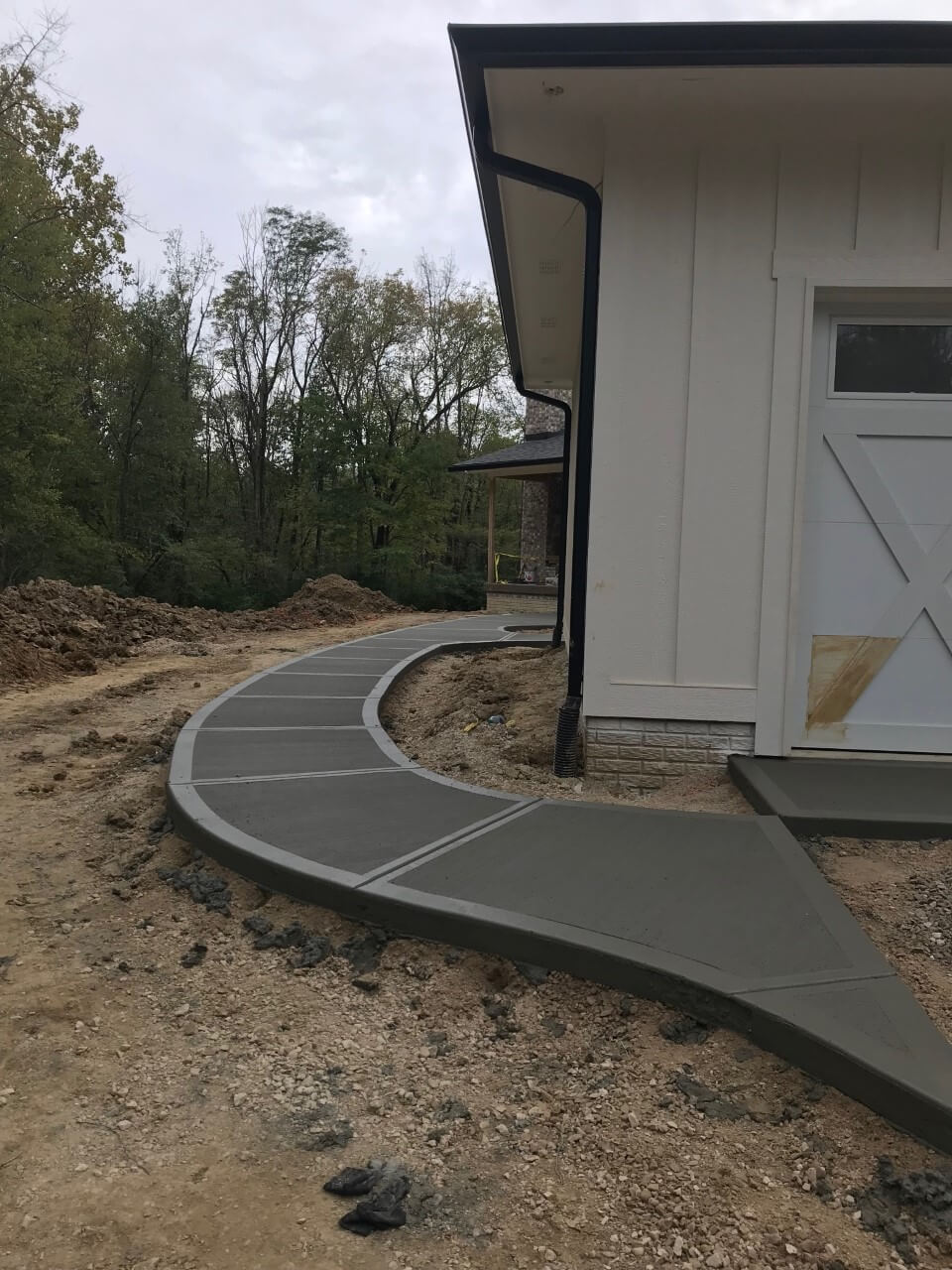
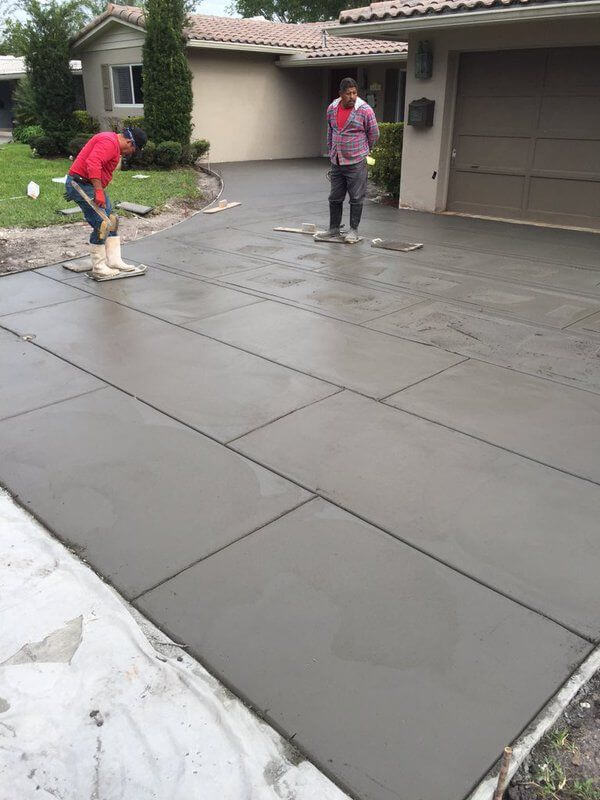
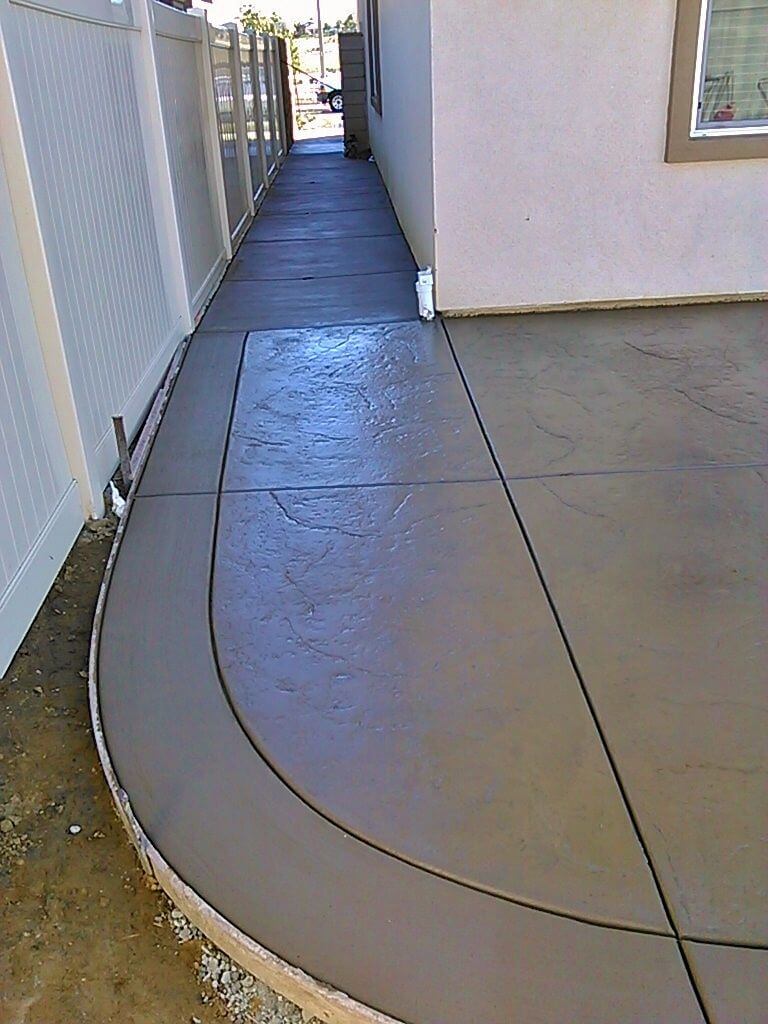
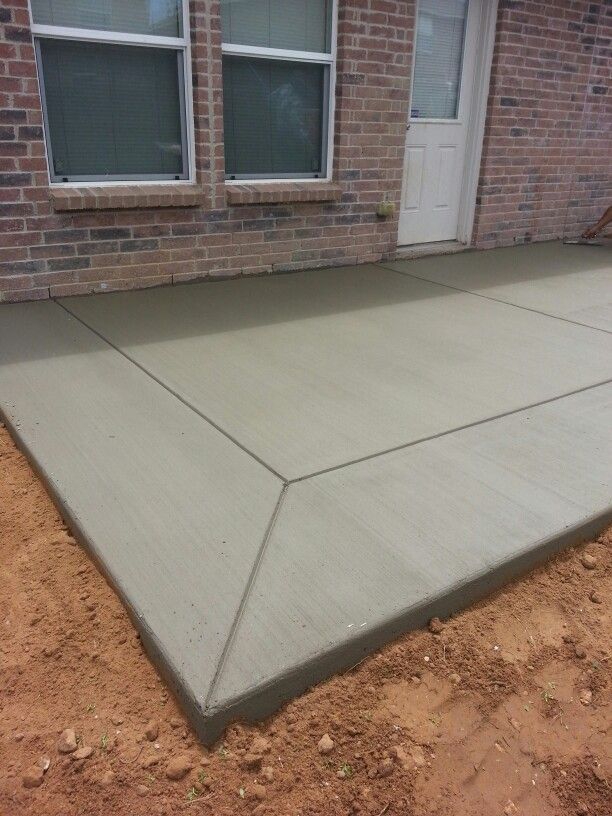
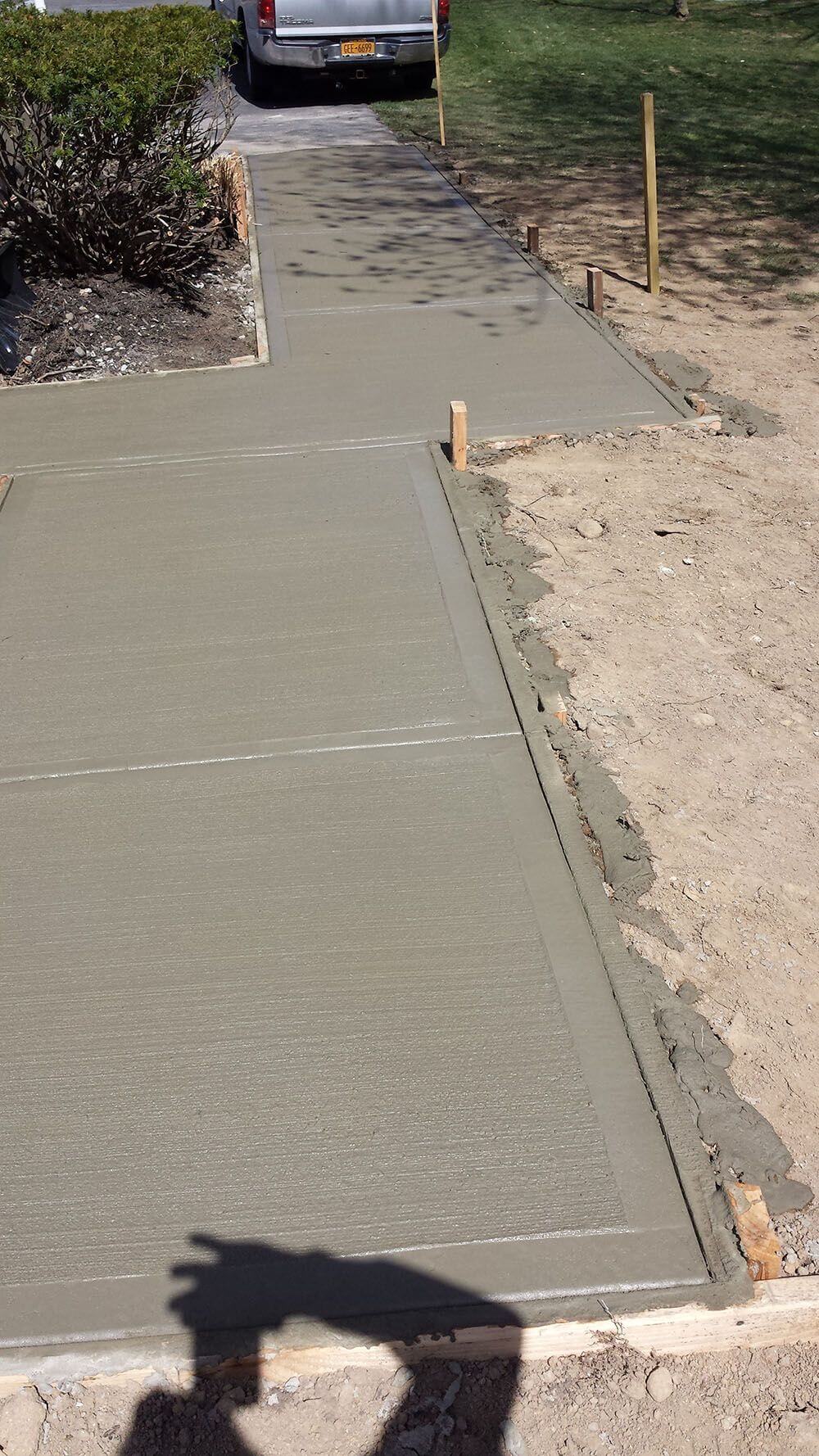
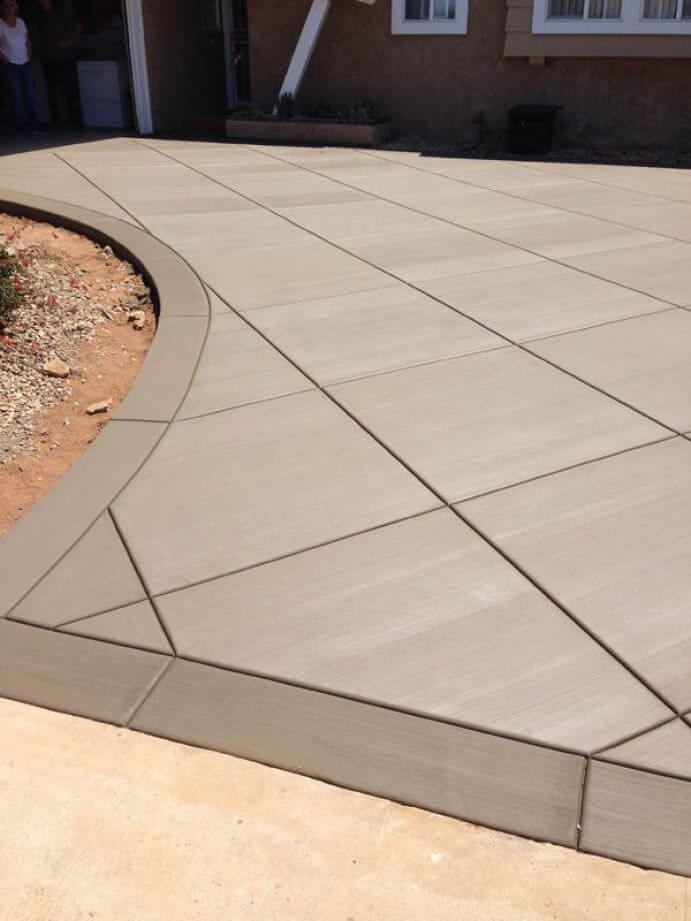
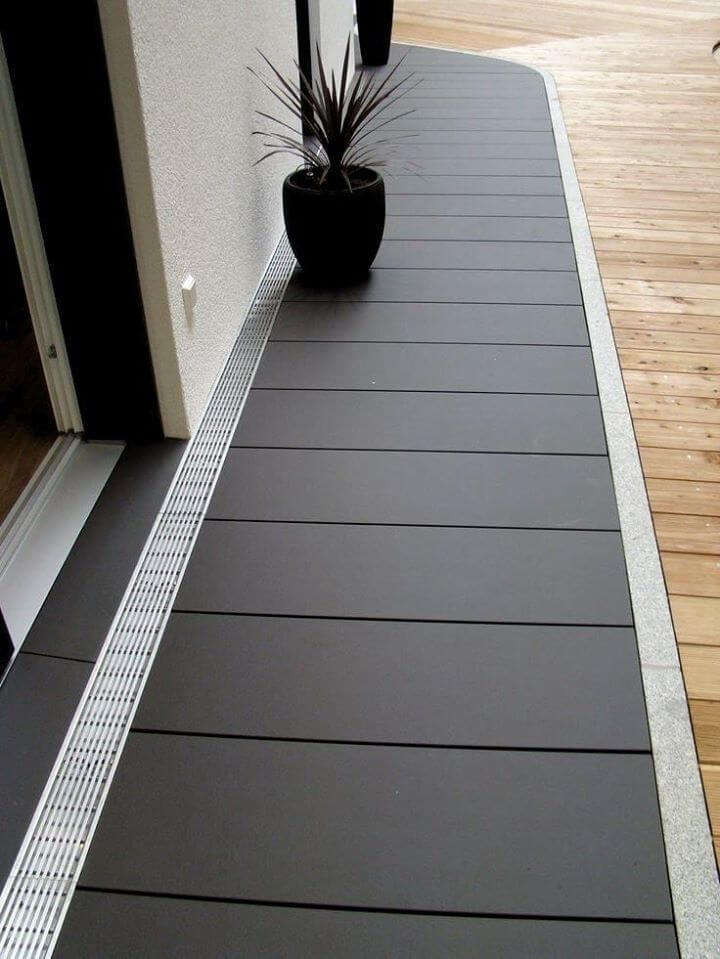
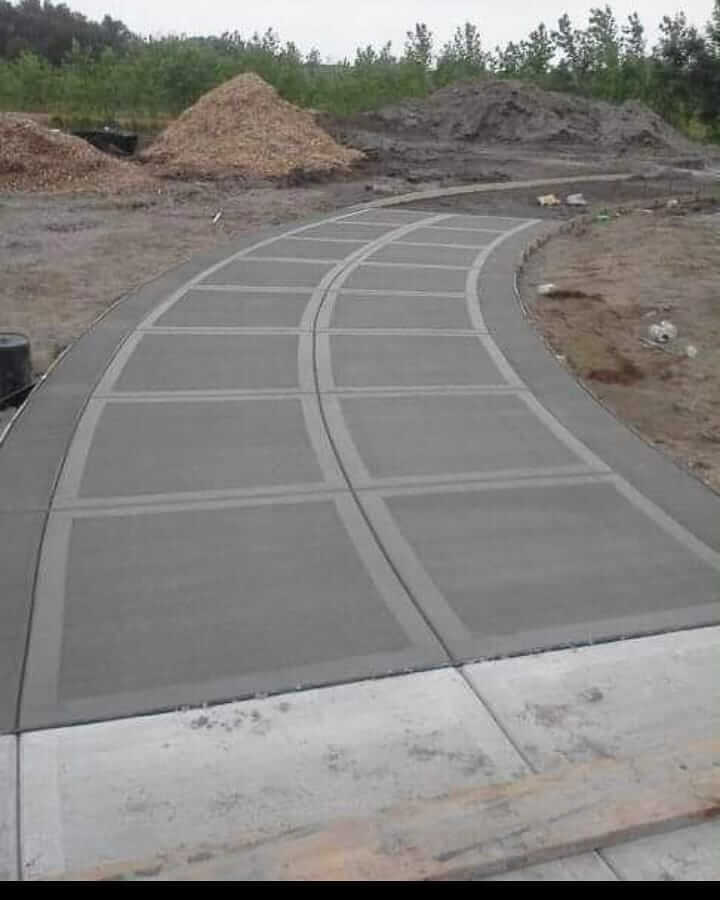
Concrete is one of the most versatile building and paving materials in existence but, for a long time, it was also sadly limited in terms of style and appearance. In recent years, however, there has been a huge proliferation of new decorative concrete finishes, ranging from affordable (but glamorous) to high-end with trendy effects. The goal of decorative concrete finishes is to give the plain material or existing style a total makeover, delivering a beautiful new space without the cost of replacing the concrete. Here are some of the concrete finishing decorative ideas.